
Françoise Barré-Sinoussi
French virologist who co-discovered HIV and shared the 2008 Nobel Prize in Physiology or Medicine; known for work on HIV detection, blood safety and advocacy for people living with HIV.

Overview
Françoise Barré-Sinoussi (born 30 July 1947) is a French virologist best known for her role in isolating the human immunodeficiency virus. Working at the Pasteur Institute, she and colleagues identified the virus that causes AIDS in the early 1980s. For this work she shared the 2008 Nobel Prize in Physiology or Medicine with Luc Montagnier and, jointly recognized in the same award year, Harald zur Hausen.
Image gallery
3 Images

Early life and training
Barré-Sinoussi was born in Paris and received her initial training in biochemistry before specializing in virology. Her doctoral work at the Pasteur Institute laid the foundation for laboratory approaches to identifying and culturing human viruses, which proved decisive when a new immune deficiency syndrome emerged in the 1980s.
Discovery and scientific contributions
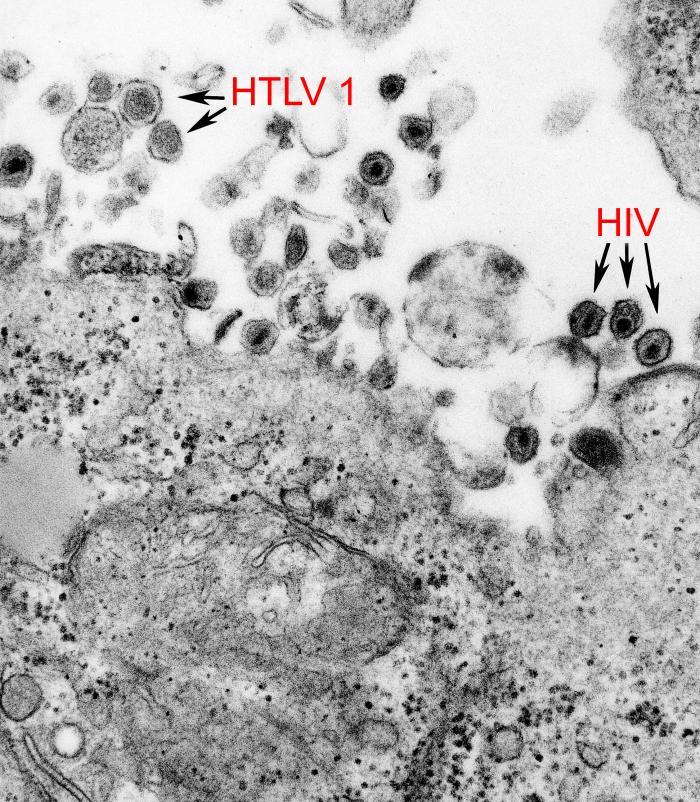
In 1983, using tissue culture and immunological assays, Barré-Sinoussi and her team isolated a retrovirus from a patient with severe immune deficiency. That virus was later named HIV, the causative agent of the clinical syndrome now called AIDS. Her work helped separate the concepts of the infectious agent (the virus) and the later-stage syndrome (the acquired immune deficiency), clarifying diagnosis and research directions.
Practical impact and uses
The isolation of the virus enabled the development of blood screening tests and laboratory diagnostics that greatly reduced the risk of transfusion-transmitted infection. It also produced assays used in surveillance, epidemiology and the evaluation of antiretroviral therapies. Barré-Sinoussi continued to publish on viral pathogenesis, immune responses and strategies to prevent mother-to-child transmission.
Recognition and legacy
The Nobel Prize acknowledged the scientific and public-health importance of identifying the viral cause of AIDS. Beyond that honor, Barré-Sinoussi has been active in scientific and patient advocacy circles, promoting research, treatment access and ethical approaches to clinical studies. Her career helped shift HIV/AIDS from a mysterious, fatal condition to a treatable chronic disease in many parts of the world.
Notable facts
- Co-discovery of the HIV pathogen (the virus) that causes AIDS.
- Shared the 2008 Nobel Prize in Physiology or Medicine with Luc Montagnier and recognition alongside Harald zur Hausen.
- Work contributed to safer blood supplies and diagnostic testing for HIV.
- Origins and training tied to institutions in Paris and France.
Françoise Barré-Sinoussi's contributions are widely cited in the history of infectious disease research: they illustrate how laboratory science can transform public health responses to emerging infections and improve outcomes for affected populations.
Related articles
Author
AlegsaOnline.com Françoise Barré-Sinoussi Leandro Alegsa
URL: https://en.alegsaonline.com/art/119004
Sources
- classic.iol.co.za : "Too soon to speak of the end of Aids"
- ic.galegroup.com : "Password Logon Page"