
Virology: the science of viruses, their biology, history, and impact
Overview of virology: what viruses are, their structure and life cycles, history of the field, laboratory methods, public-health relevance including vaccines, and applications in medicine and biotechnology.
Overview
Virology is the branch of microbiology and biomedical science that examines viruses, their properties, interactions with host organisms, and the diseases they cause. A virus is a noncellular infectious agent that depends on host cells to replicate. Common examples include cold-causing agents and seasonal pathogens such as influenza. Virologists study how such agents enter cells, reproduce, spread and sometimes persist.
Image gallery
10 Images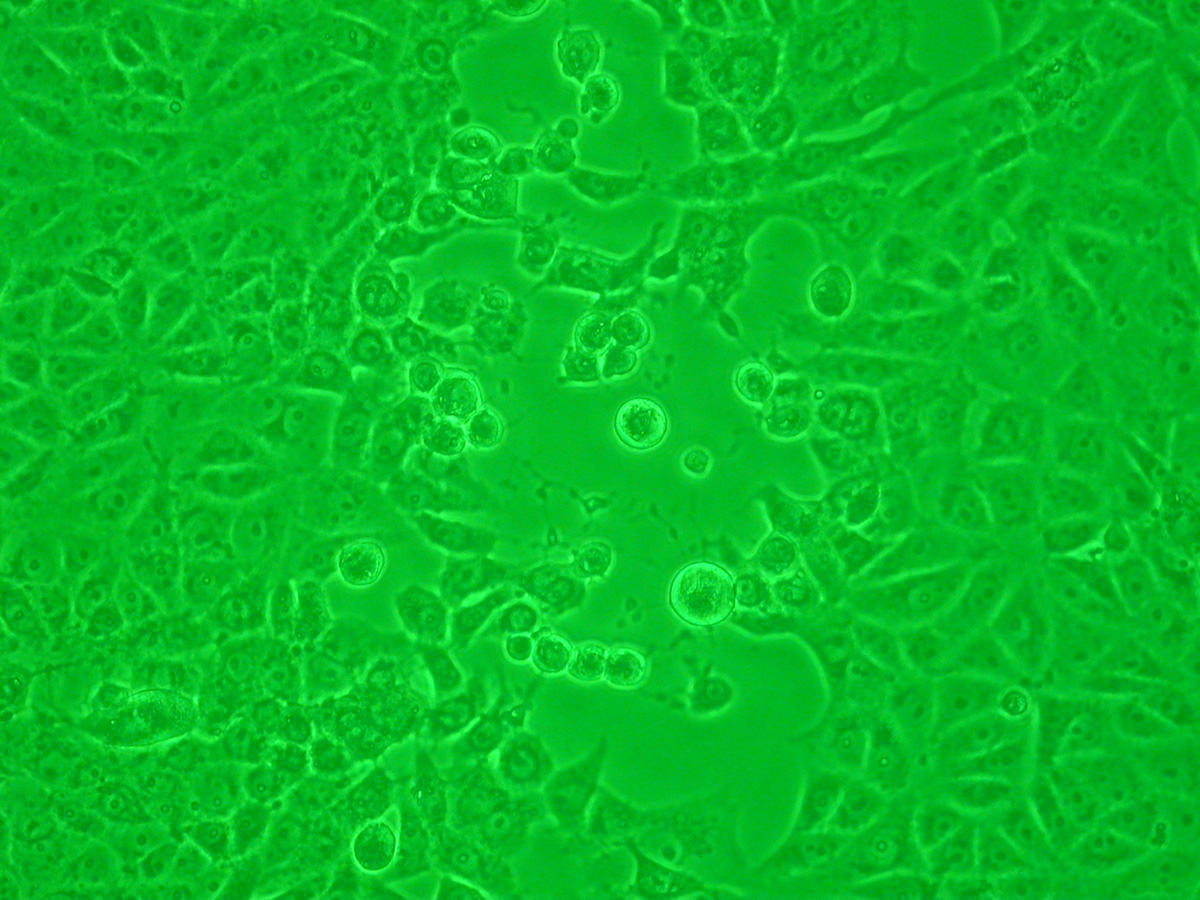




Structure and replication
Viruses vary in size and complexity but share basic features: genetic material (DNA or RNA), a protein shell called a capsid, and in some cases a surrounding lipid envelope. Their replication cycles typically involve attachment, entry, genome replication, assembly of new particles and release. Distinct strategies—such as lytic versus latent infections—determine whether infection is acute, chronic or dormant.
Classification and distinguishing features
Viruses are classified by genome type, strandness, symmetry of the capsid and presence or absence of an envelope. These characteristics influence stability outside hosts, routes of transmission and susceptibility to disinfectants or antivirals. Bacteriophages (viruses of bacteria) and plant or animal viruses show different ecological roles and laboratory uses.
History and development of the field
The existence of submicroscopic infectious agents was inferred in the late 19th century from studies of plant diseases; the development of the electron microscope and molecular methods in the 20th century transformed virology. Work by generations of researchers enabled vaccine development and antiviral drug discovery. Notable public-health achievements include the eradication of smallpox through coordinated vaccination campaigns and control of many childhood infections like chickenpox by immunization.
Methods and applications
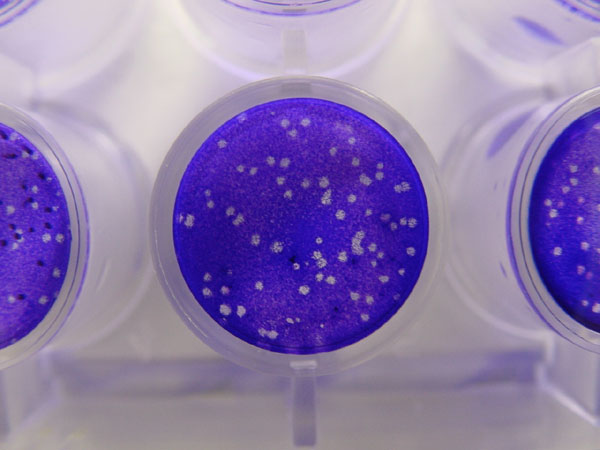
Modern virology uses cell culture, electron microscopy, molecular sequencing, polymerase chain reaction (PCR) and serology to detect and study viruses. Applications extend beyond disease control: engineered viruses serve as tools in gene therapy and vaccines, and bacteriophages are explored as alternatives to antibiotics. Laboratory safety and ethical oversight are essential because some viruses pose significant risks.
Public-health importance and future directions
Viruses are agents of widespread disease, occasional pandemics and ongoing endemic infections. Surveillance, vaccination, antiviral drugs and nonpharmaceutical measures remain key to control. Emerging technologies—genomic surveillance, novel vaccine platforms and antiviral strategies—continue to reshape prevention and treatment. For further reading on basic concepts and examples, see introductory resources about viruses.
- Key topics: structure, replication, classification, diagnosis and control.
- Examples: respiratory viruses, enteric viruses, blood-borne viruses and arthropod-borne viruses.
- Notable facts: some viruses can integrate into host genomes; others are useful in biotechnology.
Related articles
Author
AlegsaOnline.com Virology: the science of viruses, their biology, history, and impact Leandro Alegsa
URL: https://en.alegsaonline.com/art/105567