
François Bozizé — Central African political and military leader (born 1946)
François Bozizé is a Central African military officer and politician who led a 2003 coup, served as president from 2003 to 2013, and was deposed by the Seleka rebellion in 2013.
Overview
François Bozizé Yangouvonda (born 14 October 1946) is a Central African military officer and political figure who dominated the national stage for a decade in the early 21st century. He rose from service in the armed forces into national politics and became the central authority in the Central African Republic (CAR) after removing his predecessor in 2003. His time in office saw efforts to consolidate power, contested elections, and recurrent armed unrest.
Image gallery
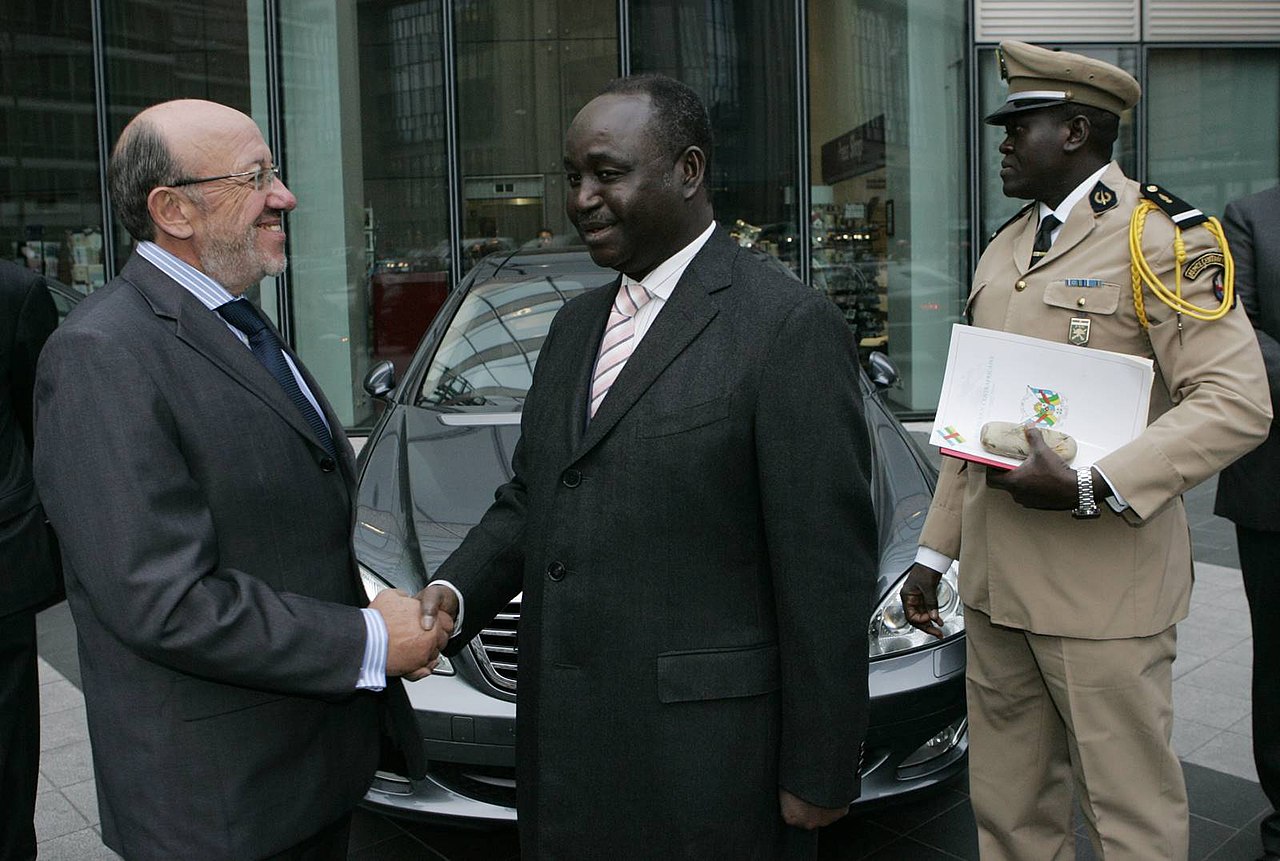
6 Images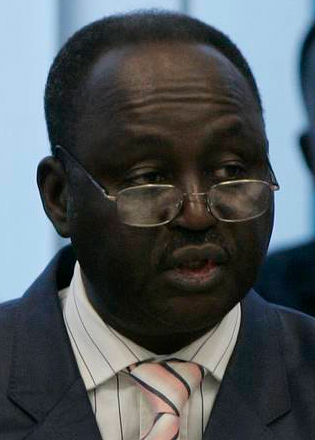




Rise to power and presidency
Bozizé came to power in March 2003 after a rebellion that toppled President Ange-Félix Patassé. Initially an army officer and later a senior security official, he used military backing and alliances to assume control of the capital. He subsequently sought to legitimize his rule through electoral politics and international negotiation, running in and winning a presidential vote that followed his takeover.
Governance, policies and criticisms
During his presidency Bozizé pursued policies intended to restore central authority and restart state institutions, while facing deep-seated challenges: limited state capacity, local grievances, and the proliferation of armed groups. His government was criticized by domestic opponents and international observers for authoritarian tendencies, restricted political space, and alleged human rights abuses, complaints often highlighted by humanitarian and rights organizations.
Conflict and ouster
From 2012 a coalition of rebel groups known as the Seleka launched an offensive across the north and east of the country and then toward the capital. In March 2013 the insurgents entered the capital and Bozizé fled the country. The Seleka leader, Michel Djotodia, declared himself president and assumed control amid a wider collapse of national order that precipitated communal violence and international concern.
Aftermath and significance
After his departure Bozizé lived in exile and remained a controversial figure in CAR politics. His decade-long rule and the circumstances of his removal are often cited when examining the fragility of state institutions in the country, the role of armed groups in politics, and repeated cycles of coup and counter-coup that have shaped the CAR's modern history. Analysts consider his tenure a significant episode in Central African political development and a factor in subsequent peace and reconciliation efforts.
Key dates and facts
- Born: 14 October 1946.
- Seized power by rebellion: 2003.
- Presidential period: 2003–2013.
- Overthrown by Seleka and succeeded by Michel Djotodia in 2013.
For further context on the Central African political landscape in which Bozizé operated, see resources on Central African politics.
Related articles
Author
AlegsaOnline.com François Bozizé — Central African political and military leader (born 1946) Leandro Alegsa
URL: https://en.alegsaonline.com/art/119008
Sources
- nytimes.com : "Leader of Central African Republic Fled to Cameroon, Official Says"
- bbc.co.uk : "Central African Republic: President Bozize flees Bangui"