
Fethullah Gülen: Turkish Islamic scholar, educator and founder of the Gülen movement
Overview of Fethullah Gülen—his teachings, institutions, exile in the United States, the global education network known as Hizmet, and the political controversies and accusations surrounding him.
Fethullah Gülen (born 1941) is a Turkish Muslim preacher, writer and educator who became the central figure of a transnational social and educational movement. Widely described as a moderate Sunni thinker with roots in the Hanafi tradition, Gülen emphasizes religious faith combined with scientific education, social service and interfaith dialogue. He has lived in self-imposed exile in Pennsylvania, United States, for many years and currently resides in that state.
Image gallery
7 Images



Background and teachings
Gülen's teachings draw on classical Sunni and Sufi influences while stressing modern schooling, personal spirituality, and peaceful coexistence. He is commonly associated with a reformist interpretation of Hanafi jurisprudence within Sunni Islam, advocating that faith should accompany civic responsibility and scientific inquiry. Core themes in his public addresses and writings include the importance of education, service to others (often called "Hizmet," meaning "service"), ethical entrepreneurship, and sustained dialogue across religious and cultural boundaries.
Institutions, activities and global reach
Followers and sympathizers of Gülen have established a wide array of institutions, including schools, universities, charitable foundations, media outlets and businesses in dozens of countries. These institutions commonly emphasize language instruction, STEM subjects, and moral education. The network of schools and cultural centers has been described by supporters as a grassroots educational movement and by critics as a well-organized transnational community. Gülen himself has published sermons, essays and books that outline his views on faith, education and social life.
Political controversy and exile
Gülen relocated to the United States in the late 1990s and has remained there in self-imposed exile. For a period he and elements of Turkey's ruling establishment cooperated or shared common interests, but relations later deteriorated. Turkish authorities and President Recep Tayyip Erdoğan have accused Gülen and his followers of operating parallel structures within the state and have blamed him for political upheavals. After an attempted coup in Turkey in 2016, the government publicly held Gülen responsible for the event—an allegation he has consistently denied. Turkish authorities use the acronym FETÖ to describe the organization they claim he leads, while supporters prefer the names "Gülen Movement" or "Hizmet."
Responses, legal issues and international dimensions
The accusations against Gülen have led to wide-ranging legal and political consequences in Turkey, including arrests, asset seizures, and institutional purges affecting the military, judiciary, education and media. International responses have been mixed: some states have cooperated with Turkey on legal requests, while other governments, human rights organizations and scholars have criticized aspects of the Turkish government's post-2016 measures as excessive or politically motivated. Gülen and his advocates reject involvement in violent action and emphasize nonviolence; he has publicly condemned acts of political violence and terrorism.
Reception, influence and key debates
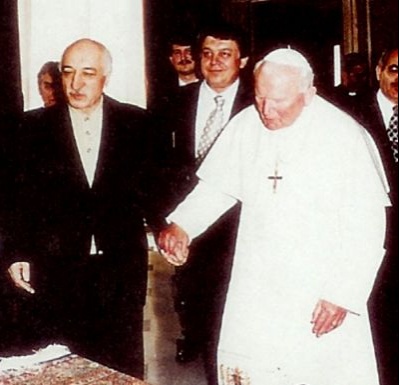
The Gülen movement is regarded by supporters as a major contributor to education and intercultural dialogue, credited with opening schools and scholarship opportunities in underserved regions and promoting interfaith initiatives with organizations such as Christian and Jewish groups and even contacts with the Vatican. Critics, however, point to alleged clandestine influence within state institutions and the opaque nature of some funding channels. The debate over Gülen's legacy is thus polarized: his adherents emphasize humanitarian and educational accomplishments, while detractors focus on political ambitions and alleged subversive activity.
- Main contributions: widespread private education networks, interfaith outreach, civic engagement rhetoric.
- Main criticisms: accusations of creating parallel structures, alleged involvement in Turkish political events, contested transparency of organizations.
- Legal status: Designated a terrorist organizer by Turkish authorities (term used: FETÖ); subject of international legal requests and diplomatic controversy.
Gülen remains a consequential and contested figure in contemporary Turkish and transnational Muslim life. His movement's schools, social projects and discourse on faith and modernity continue to attract both scholarly interest and political scrutiny. For further context and source material, see public analyses and official documents that discuss Hizmet, Turkish court rulings, and international human rights assessments related to post-2016 developments.
Related articles
Author
AlegsaOnline.com Fethullah Gülen: Turkish Islamic scholar, educator and founder of the Gülen movement Leandro Alegsa
URL: https://en.alegsaonline.com/art/118944
Sources
- en.fgulen.com : Fethullah Gülen: A life dedicated to peace and humanity - True Muslims Cannot Be Terrorists
- amazon.com : Toward a Global Civilization of Love and Tolerance
- bbc.co.uk : bbc.co.uk