
Recep Tayyip Erdoğan: Turkish political leader and president
Overview of Recep Tayyip Erdoğan’s life, political career, major roles, policies, and notable events including his rise from Istanbul mayor to Turkey’s presidency.
Recep Tayyip Erdoğan (born 26 February 1954) is a Turkish politician who has dominated the country’s political life since the early 2000s. He has served as the President of Turkey since 2014 after a decade as the country’s Prime Minister (2003–2014). Erdoğan is a founding figure and long‑time leader of the conservative Islamist‑rooted Justice and Development Party, established in 2001. He was previously elected Mayor of Istanbul in 1994, an early high‑profile post that brought him national attention.
Image gallery
10 Images


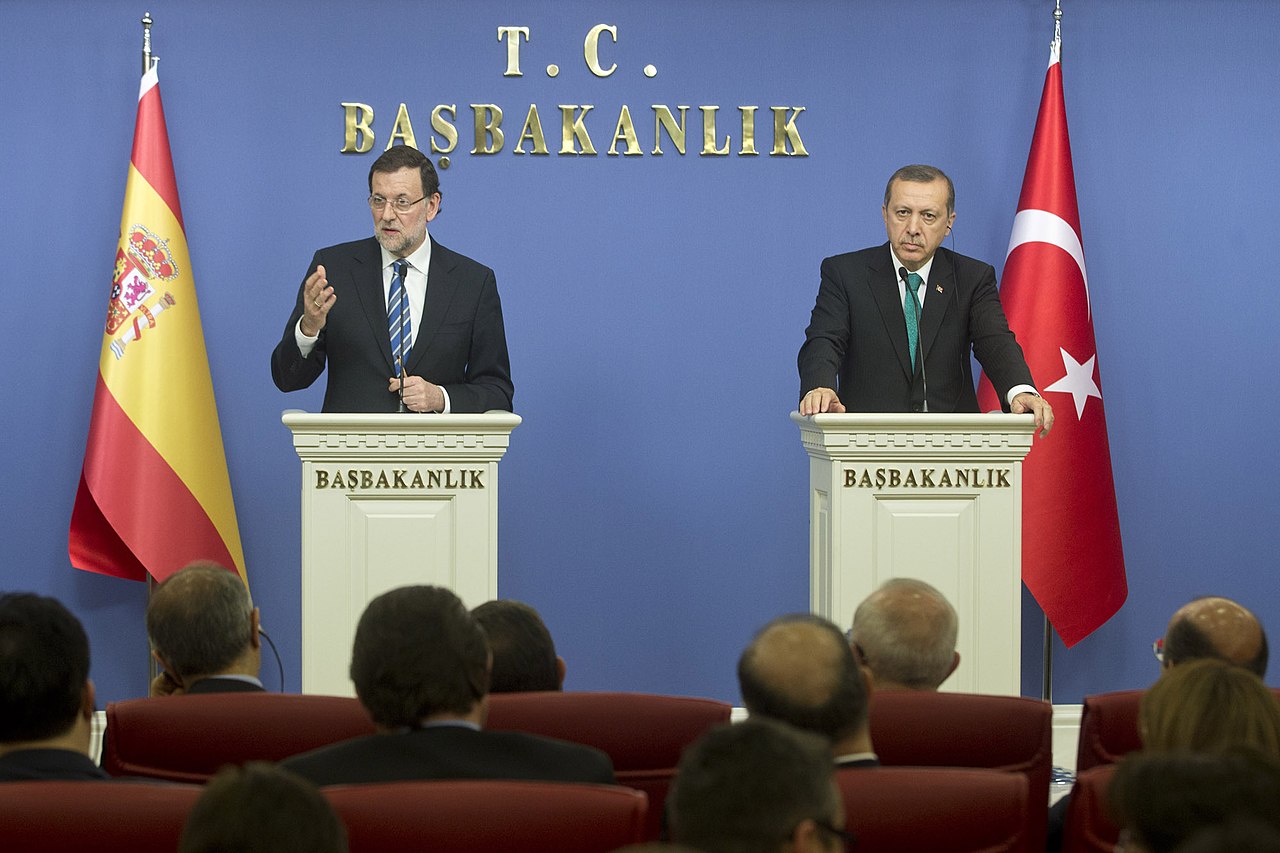
Early life and background
Erdoğan was born and raised in the working‑class neighborhood of Kasımpaşa in Istanbul. He has family roots often described as being of Georgian origin, and he attended religious and vocational schools as a youth. In addition to his early education, Erdoğan spent many years involved in local sports; he was a semi-professional footballer in his youth. His connection to Kasımpaşa remains visible: the local football club’s stadium was later named in his honor.
Political rise and governance
After serving as Istanbul mayor, Erdoğan helped form the Justice and Development Party in 2001 and led it to electoral success. As prime minister from 2003, his governments prioritized economic stabilization, infrastructure projects, and expanding public services, alongside a socially conservative agenda. In 2014 he became president; a 2017 constitutional referendum significantly increased the executive powers of the presidency, consolidating authority in the office he holds.
Domestic policy and institutions
Supporters credit Erdoğan with improved infrastructure, sustained investment, and strong electoral victories that reflected his appeal to broad segments of the electorate. Critics and international observers have raised concerns about media freedom, judicial independence, and the strength of democratic checks and balances under his administration. The practical effect of institutional changes and government policies has been a central theme in assessments of Turkey’s recent political development.
Foreign policy and notable events
Under Erdoğan, Turkey has pursued a more assertive regional role, engaging in diplomacy and operations across its neighborhood while managing complex relations with the European Union, the United States, and neighboring countries. A dramatic milestone in recent history was the attempted military uprising in July 2016: the 2016 coup attempt shook the country and led to a wide-ranging government response that included emergency measures and purges of suspected conspirators. That episode has had lasting effects on domestic politics and civil‑military relations.
Personal life and legacy
Erdoğan married Emine Gülbaran on 4 July 1978; she was born in Siirt. The couple have two sons and two daughters. Observers describe Erdoğan as a polarizing figure whose long tenure has reshaped Turkish politics: hailed by supporters for stability and development, criticized by opponents for centralizing power. His career—from local mayor to head of state—remains a defining feature of early‑21st century Turkey.
- Key offices: Mayor of Istanbul, founder and leader of the Justice and Development Party, Prime Minister, President.
- Early pursuits: raised in Kasımpaşa, played as a semi-professional footballer.
- Significant events: 2017 constitutional changes and the 2016 coup attempt.
- Personal: born 26 February 1954, of Georgian origin, married with four children.
Author
AlegsaOnline.com Recep Tayyip Erdoğan: Turkish political leader and president Leandro Alegsa
URL: https://en.alegsaonline.com/art/129347