
2016 Turkish coup d'état attempt
On 15 July 2016 an attempted coup by a faction of Turkey's security forces tried to overthrow the government. The effort failed but caused many deaths, widespread arrests and long-term political and legal consequences.
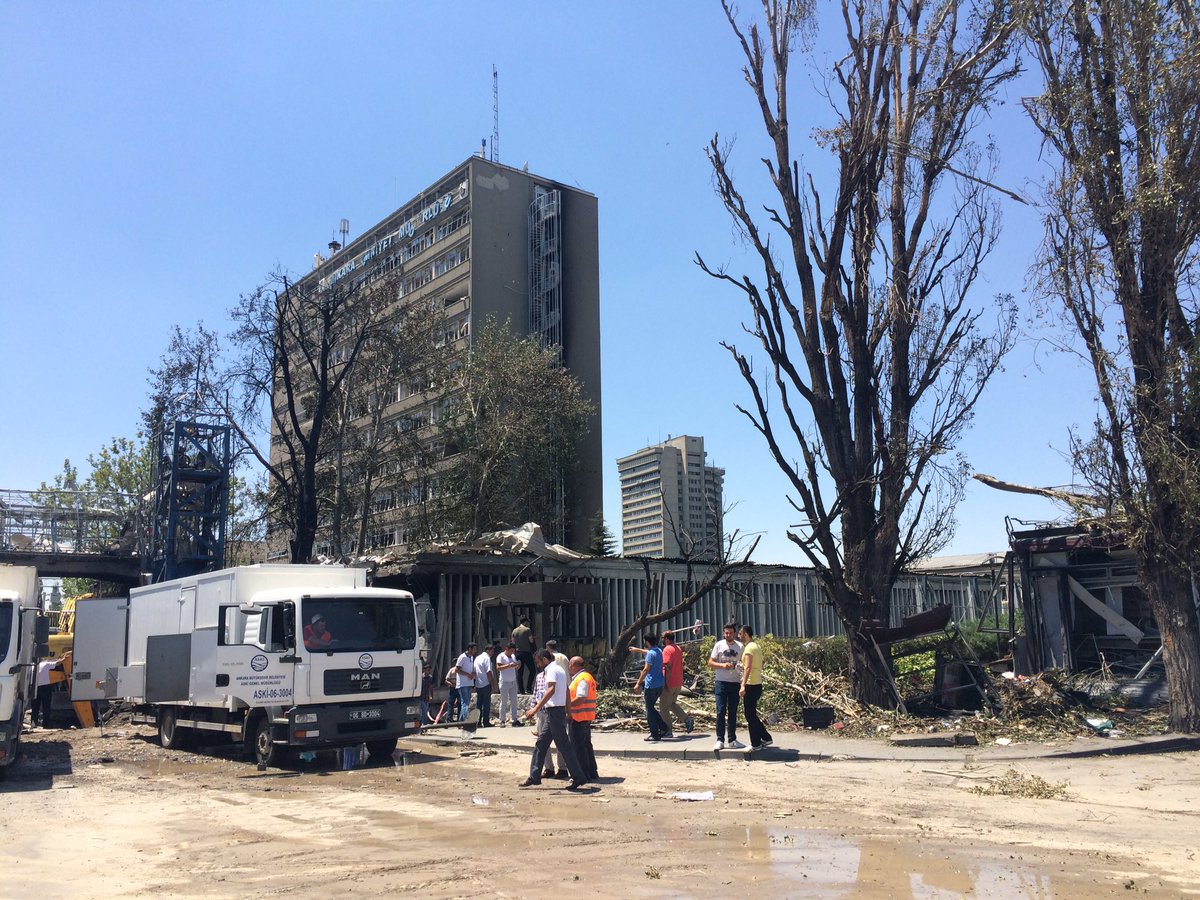
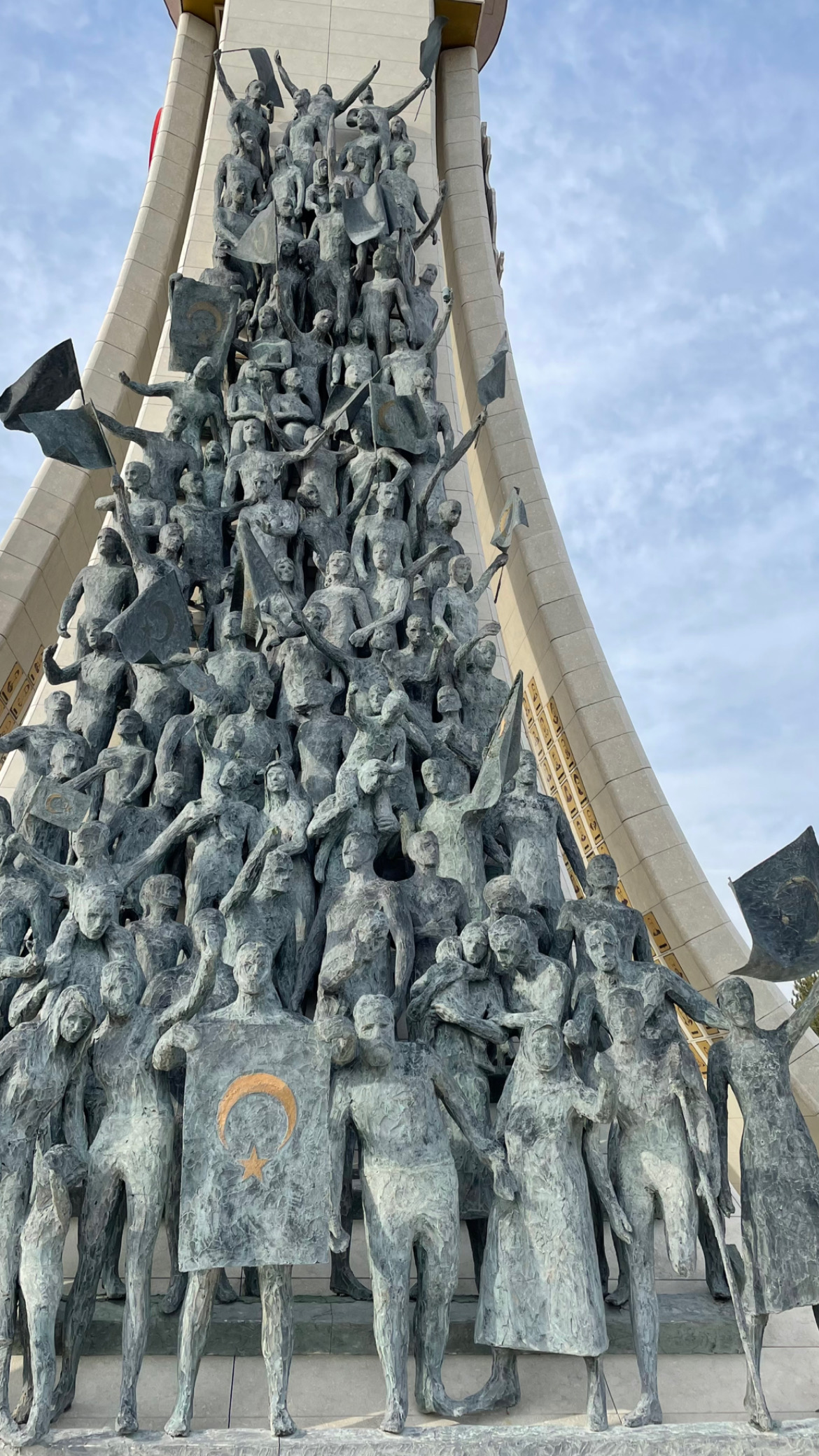
On 15 July 2016, a faction within Turkey's security forces launched an attempted coup d'état against the government in Ankara and Istanbul. The operation aimed to seize key institutions and depose the executive. It involved tanks, helicopters and warplanes and produced intense urban clashes, with hundreds killed and many more wounded. The presidency and the office of the president were focal points of both the threat and the emergency response; the incumbent leader, Recep Tayyip Erdoğan, played a prominent role in mobilising resistance.
Image gallery
10 Images



Sequence of events
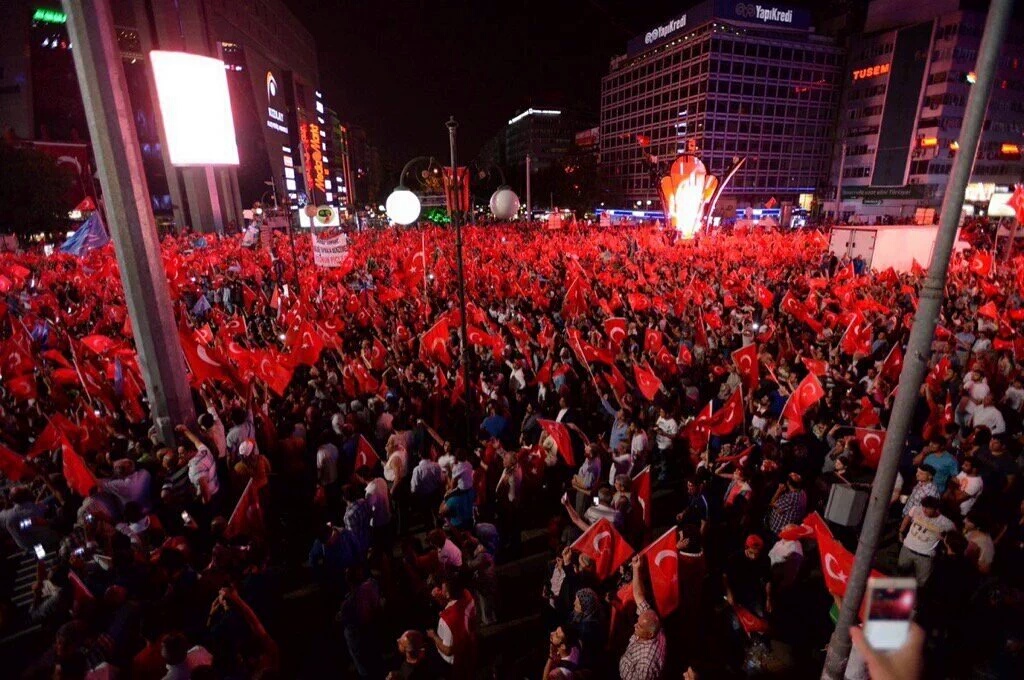
The attempt unfolded overnight. Armed units blocked bridges over the Bosporus, occupied the state broadcaster and struck the parliament building. Airports and transport hubs were disrupted. Police units and thousands of civilians confronted some of the putschist forces after appeals by government leaders; a prominent live video appeal helped bring demonstrators into the streets to resist the seizure of power.
Actors and responsibility
Officials said much of the action was carried out by members of the armed forces and associated units. Authorities characterised the action as an internal rebellion and detained large numbers of service members and civilians suspected of taking part. Thousands of soldiers and other personnel were held or charged in the weeks and months that followed.
Casualties and immediate aftermath
The clashes produced significant loss of life and widespread injuries. After the attempt failed, the government declared a state of emergency and launched extensive investigations. Tens of thousands of public employees—including military personnel, judges, teachers and civil servants—were suspended, dismissed or prosecuted in a broad security and administrative campaign described by authorities as necessary to restore order.
Longer-term consequences and reactions
The episode had far-reaching political, legal and social effects. It accelerated institutional reforms, influenced civil–military relations and strengthened executive authority while prompting questions about due process and human rights. Some suspects fled abroad and sought protection, with cases involving extradition and asylum attracting international attention.
- Large-scale detentions and trials of alleged plotters (arrests).
- Wide administrative purges and dismissals of public servants (purges).
- Military units played a central role in the violence (military).
- Some suspects left the country, including crossings into neighbouring states such as Greece.
The 15 July attempt remains a defining moment in contemporary Turkish politics. It is widely examined in discussions of national security, the balance of powers, and the legal and human rights implications of emergency measures. For detailed primary sources and legal documentation see official statements and independent analyses.
Questions and answers
Q: What happened in Turkey on 15 July 2016?
A: A coup d'état attempt took place in Turkey on 15 July 2016 when a group of people tried to take over the government.
Q: Why did the people try to take over the government?
A: They disagreed with the way the president, Recep Tayyip Erdoğan, was running the country.
Q: From which group were most of the people who tried to take over the government?
A: It is believed that most of these people were from the Turkish Army.
Q: What was the casualty number due to the coup d'état attempt?
A: Over 100 people were killed and over 1,000 injured.
Q: What happened to the soldiers who joined the rebellion or for other reasons?
A: Thousands of soldiers were arrested.
Q: Where did hundreds of people flee to in order to seek refuge?
A: Hundreds fled to Greece or other foreign countries.
Q: What were the consequences of the coup d'état attempt on government employees in Turkey?
A: Thousands of teachers, judges, and other government employees were fired in the 2016 Turkish purges.
Related articles
Author
AlegsaOnline.com 2016 Turkish coup d'état attempt Leandro Alegsa
URL: https://en.alegsaonline.com/art/112579
Sources
- bbc.co.uk : Mass arrests after coup bid