
Ferdinand Porsche — Austrian engineer, designer, and founder of Porsche
Ferdinand Porsche (1875–1951) was an influential Austrian automotive engineer who designed early hybrids, race cars, and the prototype that became the Volkswagen Beetle; he founded the Porsche company in 1931.
Ferdinand Porsche (1875–1951) was an Austrian-born automotive engineer and visionary whose career spanned early electric and hybrid vehicles, pioneering racing designs, and the creation of one of the world’s most famous automotive marques. Trained as an engineer, he combined technical skill with an aptitude for practical vehicle packaging, producing designs that influenced both mass-market and high-performance automobiles.
Image gallery
10 Images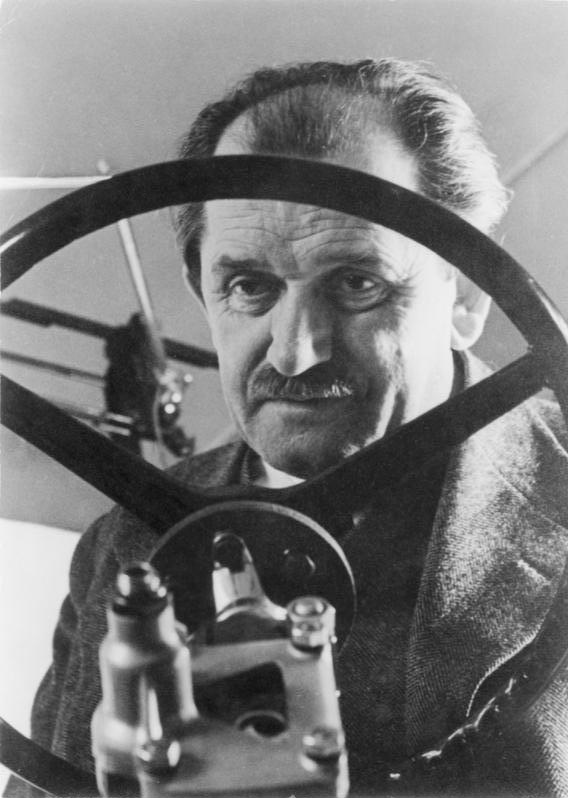




Early career and technical contributions
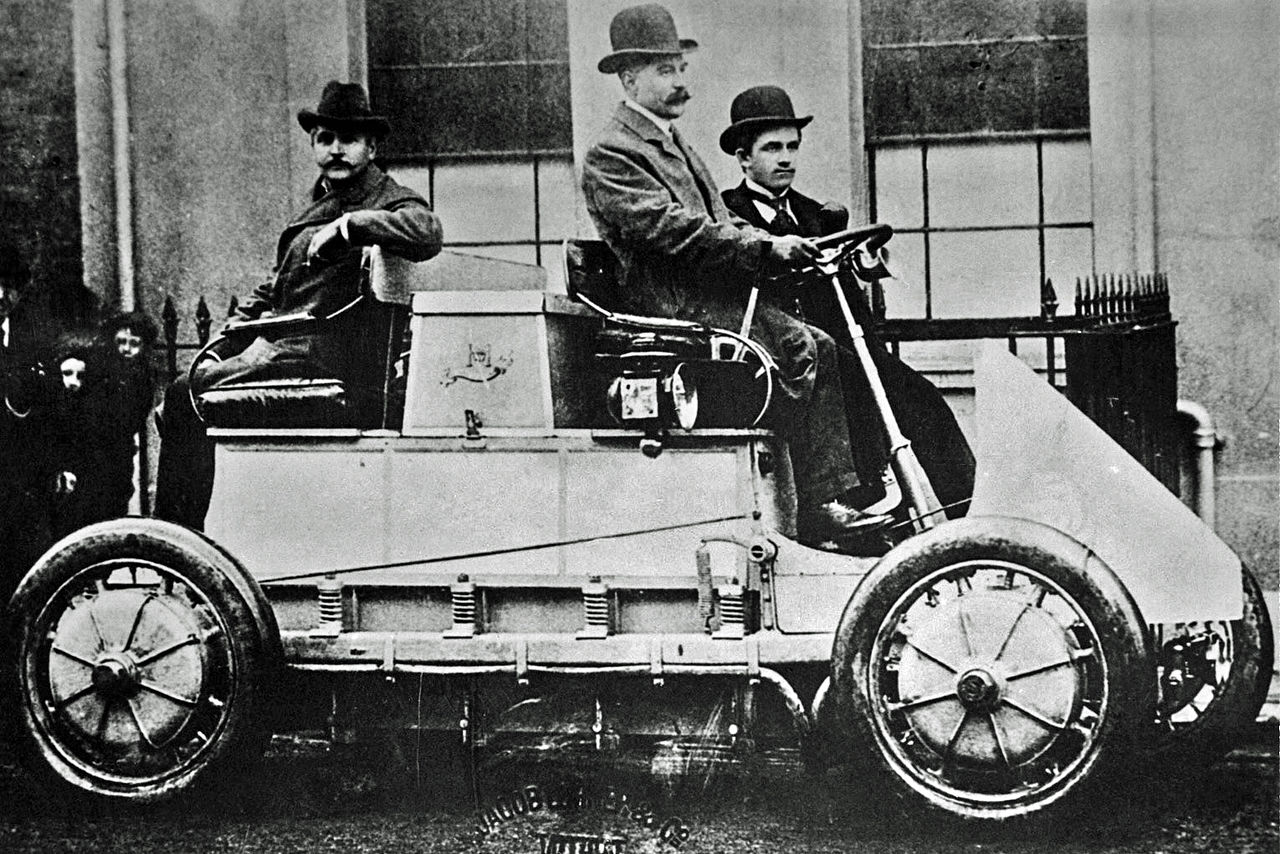
In the first decades of the 20th century Porsche worked as a designer and technical manager for a number of coachbuilders and manufacturers. He gained recognition for advanced ideas such as compact powertrains, lightweight construction, and unconventional drivetrains. One of his earliest notable projects was an electrically driven carriage with in-wheel motors and a petrol-electric hybrid arrangement, a demonstration of his willingness to explore alternative propulsion long before it became common.
The Volkswagen project and wartime production
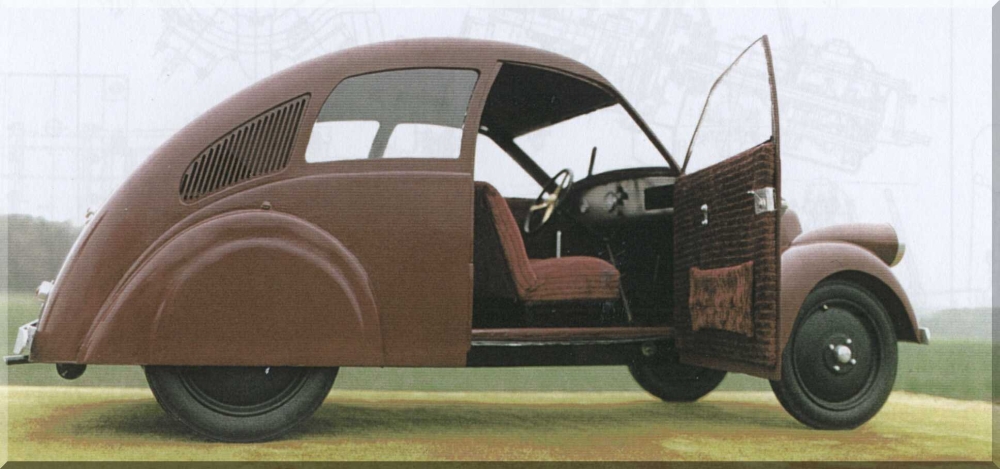
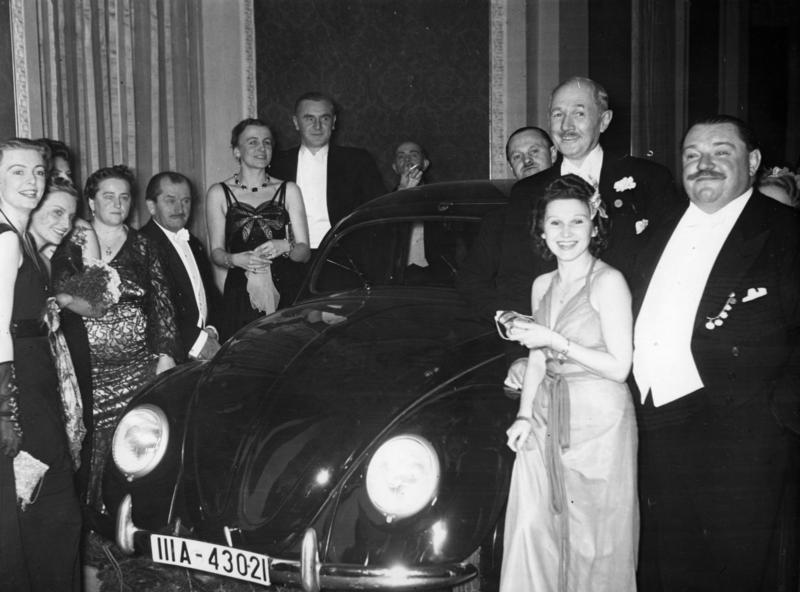
Porsche is widely associated with the small people’s car concept that later evolved into the Volkswagen Beetle. In the 1930s he contributed the engineering concept and prototype that aimed to deliver an affordable, simple, and robust family car. That work intersected with the German state’s interest in a mass-market car, and the program formally advanced in the mid-1930s. With the outbreak of World War II, civilian production was curtailed and the factory capacity shifted to military vehicles and equipment. Although the design foundations were laid before the war, large-scale civilian production did not begin until after the conflict.
Founding of Porsche and the family business
In 1931 Porsche established an engineering consultancy that produced designs, prototypes, and development work for other manufacturers as well as for its own projects. That firm later evolved into the carmaker now associated with high-performance sports cars. After the war Ferdinand’s son, Ferry Porsche, led the company toward production of road cars under the family name, beginning with lightweight sports models that drew on the firm’s engineering heritage.
Controversy, imprisonment, and later years
Porsche’s wartime role and his association with state projects led to legal and political complications after the conflict ended. He was detained by French authorities for a period in the years following the war; he was not convicted of a criminal sentence but his detention and the stresses of the period affected his health. He lived to see the resumption of production of the small car concept and the emergence of the Porsche company as a maker of road cars, but he died in 1951 before many of the later milestones of both marques.
Legacy and notable designs
Ferdinand Porsche’s impact is seen in several areas: practical small-car engineering, motorsport vehicle design, early work on electric and hybrid drivetrains, and the establishment of a family-run firm that would become synonymous with performance automobiles. Key examples connected with his career include:
- Early electric/hybrid carriage and other experimental drivetrains developed before World War I.
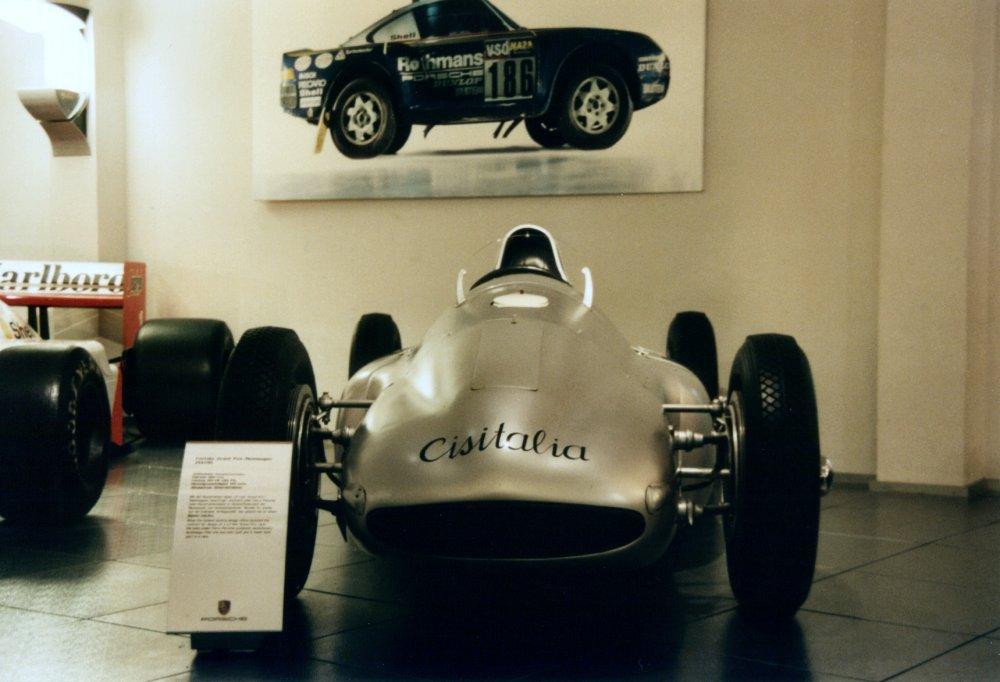
- Race and competition cars he designed for privateers and manufacturers in the interwar years.
- The prototype that became associated with the Volkswagen Beetle and later mass-produced by Volkswagen.
- The founding of Porsche, which under his son’s leadership moved into production of road-going sports cars.
Ferdinand Porsche remains a complex historical figure: celebrated for technical inventiveness and the enduring vehicles tied to his name, yet also entangled with the political and industrial dynamics of his era. Modern historians and automotive engineers continue to study his work both for its technical innovations and for the way it shaped twentieth-century automobile manufacture. For more background on the period and people involved, see contemporary sources on automotive history and the political context in which these programs developed, including the role of Adolf Hitler in promoting national transport projects.
Further reading and archival material are available through specialist automotive histories and museums that document early electric experiments, prewar racing, the development of the Beetle, and the founding of the Porsche company.
Related articles
Author
AlegsaOnline.com Ferdinand Porsche — Austrian engineer, designer, and founder of Porsche Leandro Alegsa
URL: https://en.alegsaonline.com/art/118906