
Fanny Brice: American comedienne, singer and pioneering entertainer
Biography and legacy of Fanny Brice (1891–1951), a Broadway and radio star known for the Baby Snooks character, Ziegfeld Follies performances, the song "My Man," and her cinematic and cultural influence.
Overview
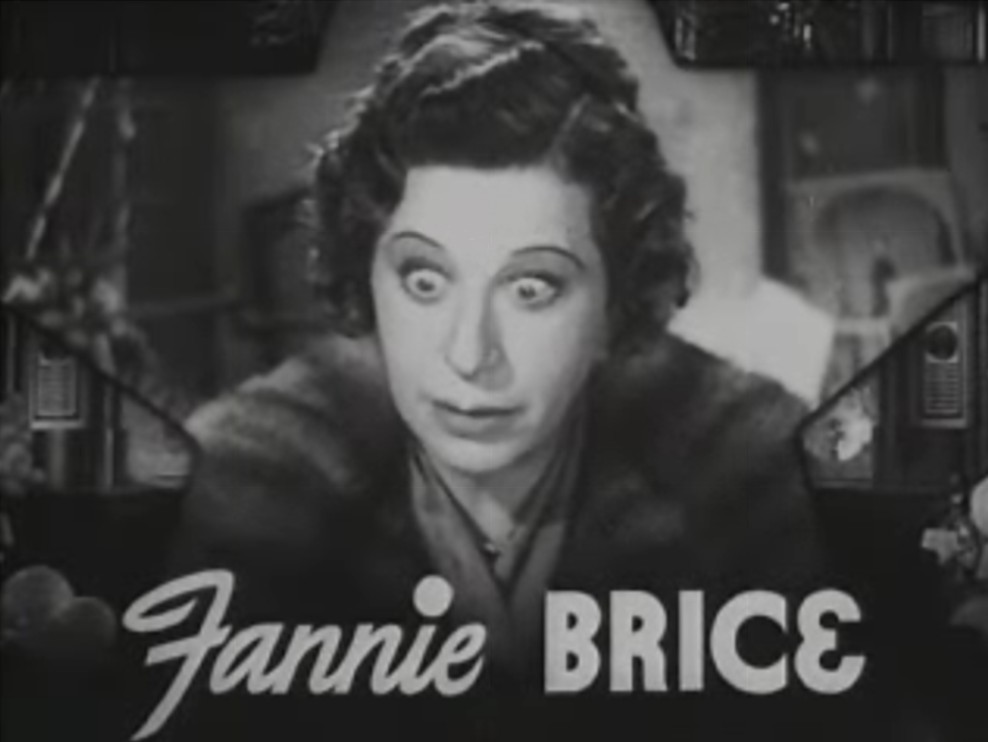
Fanny Brice (born Fania Borach, October 29, 1891 – May 29, 1951) was an American singer, comedian, theater and movie actress whose warm, often self-deprecating persona made her a beloved figure in popular entertainment. She rose from modest beginnings in New York City to national fame on stage, radio and screen, and remained a recognizable name long after her death.
Image gallery
7 Images


Career and style
Brice first drew attention as a performer in the highly visible Ziegfeld Follies, where her blend of comic timing and heartfelt singing set her apart from other stars. Her delivery could be both broad and intimately comic, and she became identified with a handful of signature numbers, including the song often associated with her stage persona, "My Man." She moved between live revues, vaudeville, Broadway shows and films, displaying versatility across media.
Radio, Baby Snooks and screen work
On radio Brice created and popularized the mischievous child character known as Baby Snooks. The role began in comedic sketches and developed into a recurring part that showcased Brice's gift for character acting and dialect work. She also appeared on television and in motion pictures; one of her memorable screen roles was Olga in the ensemble film Everybody Sing, which highlighted both her singing and comic abilities.
Personal life and later years
Brice's personal life attracted public interest, particularly her marriage to Nicky Arnstein, whose legal troubles and imprisonment brought additional attention. Despite private difficulties, she continued to perform through the 1930s and 1940s. In her later years she divided time between stage, broadcast work and occasional film projects. She died of a cerebral hemorrhage in Hollywood, California, at the age of 59.
Legacy and influence
Brice's influence extended beyond her lifetime. Her life and career inspired the stage musical and subsequent film Funny Girl, which introduced her story to new audiences and made Barbra Streisand a star. Brice is remembered as one of the early 20th century entertainers who helped shape American popular comedy and musical practice, particularly through radio character work that anticipated modern situation comedy.
Selected highlights
- Early prominence in the Ziegfeld Follies and Broadway revues
- The signature comic-singing style and songs such as "My Man"
- Creation of the Baby Snooks character on radio
- Notable film appearance: Everybody Sing as Olga
For further reading on specific performances, recordings and broadcasts, consult specialized biographies and archives devoted to American theater and early broadcast history. Broadway histories and broadcast collections often include recordings and contemporary reviews that illuminate Brice's enduring appeal.
movie | singer | comedian | theater | television | radio | New York City | Hollywood | California | Broadway
Related articles
Author
AlegsaOnline.com Fanny Brice: American comedienne, singer and pioneering entertainer Leandro Alegsa
URL: https://en.alegsaonline.com/art/118837
Sources
- nytimes.com : "Fanny Brice Dies at Age 59"
- wikidata.orgQ153358.html : wikidata.orgq153358.html
- catalogue.bnf.fr : cb14159055c
- data.bnf.fr : (data)
- d-nb.info : 119048035
- isni.org : 0000 0000 6310 5142
- id.loc.gov : n85173112
- musicbrainz.org : b500874c-8c7d-4353-b928-e1affdd4155b
- snaccooperative.org : w6x64t4h
- viaf.org : 56819083
- worldcat.org : lccn-n85173112