
Ettore Scola: Italian screenwriter and film director
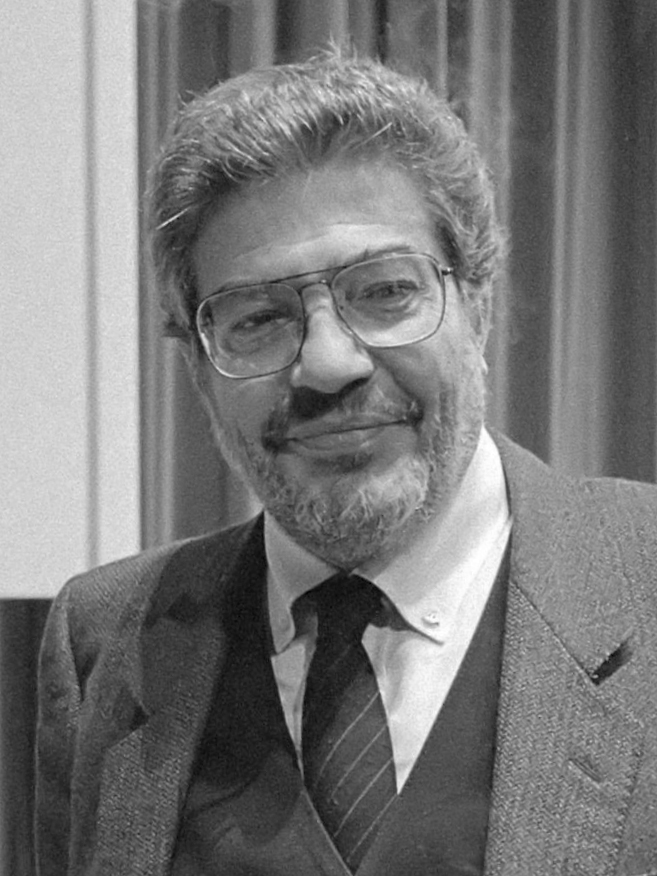
Ettore Scola (1931–2016) was an influential Italian screenwriter and director, noted for socially aware comedies and dramas such as A Special Day and We All Loved Each Other So Much.
Ettore Scola (10 May 1931 – 19 January 2016) was an Italian screenwriter and film director whose work combined human drama, political observation and comic irony. Born in southern Italy, Scola moved into cinema in the mid-20th century and developed a reputation for films that probe social change, memory and interpersonal relationships while remaining accessible to wide audiences.
Image gallery
2 Images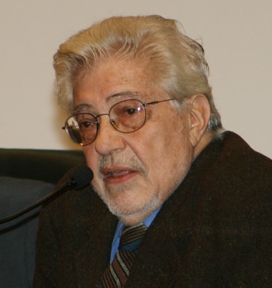
Career and cinematic approach
Scola began his career writing for Italian cinema and transitioned to directing, producing a body of work that is often associated with the later phase of commedia all'italiana — a tradition that blends humor with social critique. His films frequently examine the lives of ordinary people against broader historical or political backdrops, using ensemble casts, sharply observed dialogue and a balance of tenderness and irony.
Notable films and themes
- We All Loved Each Other So Much (C'eravamo tanto amati) — an affectionate, bittersweet chronicle of postwar Italian life and friendship.
- A Special Day (1977) — a restrained two-person drama set during a Fascist-era state event, widely regarded for its performances and moral focus.
- That Night in Varennes (1982) — a historical ensemble piece about the eve of the French Revolution.
- What Time Is It? (1989) — a late twentieth-century drama exploring family bonds, featuring leading Italian actors.
- Captain Fracassa's Journey (1990) — an adaptation of a 19th-century adventure novel by Théophile Gautier that showcases Scola's interest in literary sources.
Scola often collaborated with prominent performers such as Marcello Mastroianni, Sophia Loren and Massimo Troisi. His screenplays and direction emphasized character interaction, moral ambivalence and the passage of time, allowing intimate stories to reflect wider cultural shifts.
Legacy and final years
Over several decades Scola's films earned international recognition and contributed to postwar Italian cinema's global reputation. He is remembered for blending entertainment with serious social enquiry and for films that continue to be studied for their craft and empathy. Scola died in a hospital in Rome on 19 January 2016 from pneumonia, leaving behind a varied and influential filmography treasured by critics and audiences alike.
Related articles
Author
AlegsaOnline.com Ettore Scola: Italian screenwriter and film director Leandro Alegsa
URL: https://en.alegsaonline.com/art/118727
Sources
- france24.com : "Italian film director Ettore Scola dead at age of 84: media"
- nytimes.com : "Italian Director Ettore Scola Dies at 84"