
Eugène Delacroix: French Romantic Painter and Influence on Modern Art
Overview of Eugène Delacroix (1798–1863): life, style, major works, techniques, travels, illustrations, and enduring influence on 19th‑century and modern art movements.
Overview
Ferdinand Victor Eugène Delacroix (26 April 1798 – 13 August 1863) was a leading French artist of the Romantic era. Celebrated from early in his career as a vanguard figure of French Romanticism, Delacroix combined vivid imagination with an intense study of color and painterly technique. His work moved away from the cool precision of academic classicism toward a more expressive, dynamic handling of paint that helped shape later developments in European art.
Image gallery
10 Images


Style and Technique
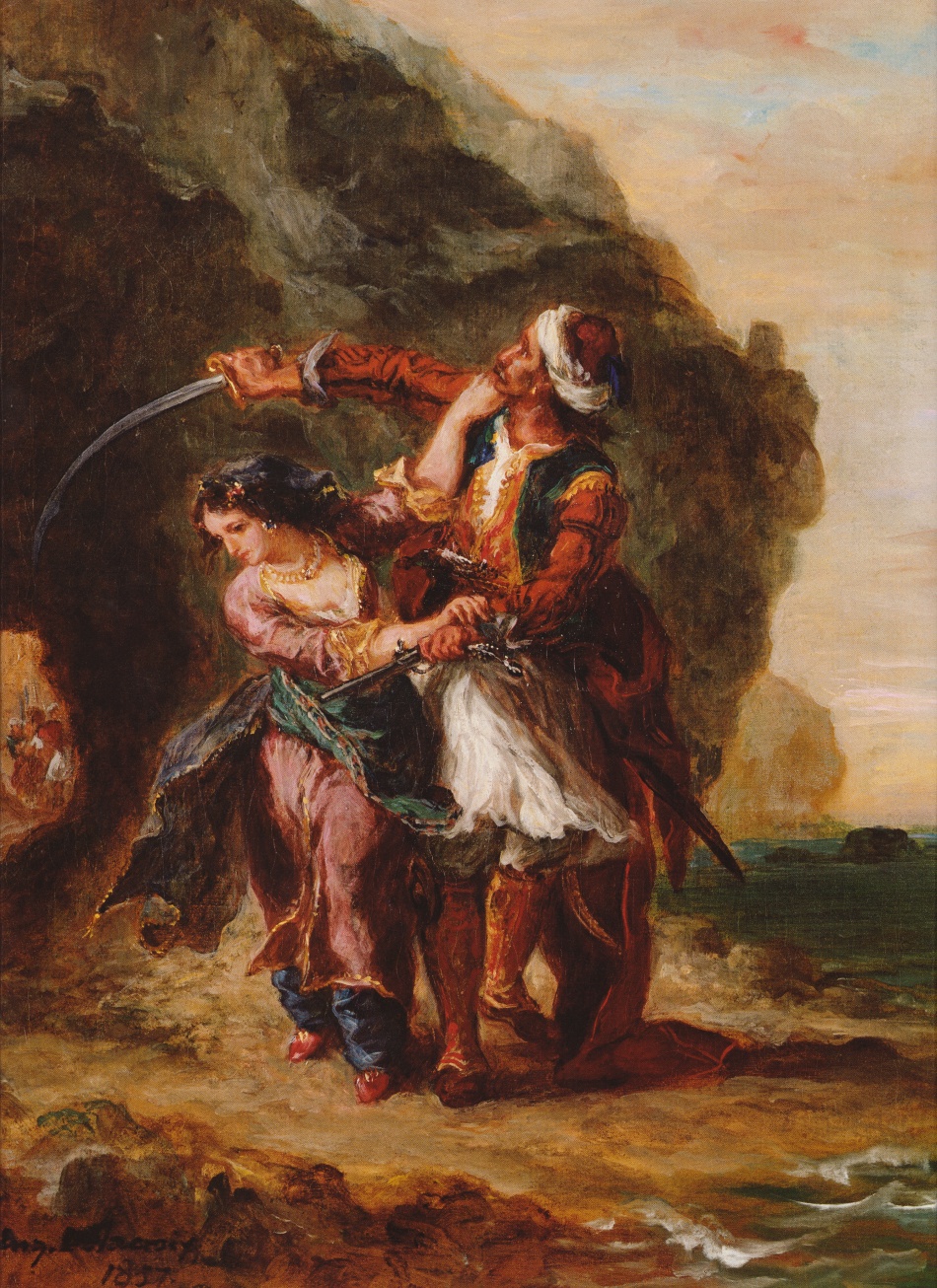
Delacroix is noted for his energetic brushwork, dramatic compositions, and an alert interest in the optical and emotive power of color. Unlike the ordered draftsmanship associated with the Neoclassical tradition, especially championed by his contemporary Jean-Auguste-Dominique Ingres, Delacroix prized color contrasts, movement, and atmospheric effects. He admired earlier masters such as Peter Paul Rubens and painters of the Venetian Renaissance, drawing on their freedom of handling and rich palettes while developing his own modern sensibility.
Themes, Subjects and Travels
Delacroix favored dramatic, often tragic or turbulent subjects drawn from history, literature, contemporary events, and exotic settings. He was deeply influenced by the Romantic literary tradition and identified with the sublime forces of nature and passion as celebrated by writers such as Lord Byron. Friendship with and artistic debt to Théodore Géricault helped shape his early ambitions. Seeking new visual material, Delacroix travelled to North Africa in 1832; the people, costumes and light he observed there found repeated expression in his paintings and sketches, contributing to the era's taste for the "exotic."
Prints, Illustrations and Commissions
Besides easel painting, Delacroix was a skilled lithographer and book illustrator. He supplied images for dramatic and literary works, including editions of William Shakespeare, novels by Sir Walter Scott, and writings of Johann Wolfgang von Goethe. He also undertook large decorative commissions—murals and ceiling pieces—that allowed him to work on a monumental scale and explore color relationships across broad surfaces.
Notable Works
- Liberty Leading the People — an emblematic image of popular revolt.
- The Death of Sardanapalus — a study in theatrical composition and violent color.
- Women of Algiers in their Apartment — reflecting Orientalist interest.
- Dante and Virgil (also called The Barque of Dante) — an early success demonstrating dramatic chiaroscuro and color.
Legacy and Notable Facts
Delacroix's emphasis on color and tactile brushwork had a measurable influence on later movements: Impressionist painters studied his optical effects and freed handling; Symbolist artists drew on his taste for exotic and poetic subjects. He remained an individualist within Romanticism—evincing passion and dramatic intensity without resorting to mere sentimentality. As the critic Charles Baudelaire observed, Delacroix was drawn to passion but strove to render it with clarity and restraint.
Later in life Delacroix took part in bohemian circles and was associated with the Club des Hashischins, a Parisian group known to experiment with hashish as part of intellectual and sensory inquiry. While that episode is a curious footnote, his enduring reputation rests on his paintings, prints and the demonstrable impact he exerted on the visual language of modern art.
Questions and answers
Q: Who was Ferdinand Victor Eugène Delacroix?
A: Ferdinand Victor Eugène Delacroix was a French Romantic artist regarded from the outset of his career as the leader of the French Romantic school.
Q: How did Delacroix influence other artists?
A: Delacroix's use of expressive brushstrokes and his study of the optical effects of colour profoundly shaped the work of the Impressionists, while his passion for the exotic inspired the artists of the Symbolist movement.
Q: What type of art did he create?
A: In contrast to the Neoclassical perfectionism of his chief rival Ingres, Delacroix took for his inspiration the art of Rubens and painters of the Venetian Renaissance, with an attendant emphasis on color and movement rather than clarity of outline and carefully modeled form.
Q: What were some common themes in Delacroix's work?
A: Dramatic and romantic content characterized the central themes of his maturity, often depicting nature in violent action.
Q: Where did he draw inspiration from?
A: He was inspired by Byron, with whom he shared a strong identification with "forces of the sublime", as well as by Théodore Géricault. He also traveled to North Africa in search for exotic subjects to paint.
Q: Was Delacroix sentimental or bombastic in his works?
A: No, Delacroix was neither sentimental nor bombastic; instead he expressed passion clearly in an individualistic way.
Q: What club did he belong to?
A:Delacroix belonged to The Club des Hashischins or Hashish Club which consisted mainly French writers who experimented with hashish to get ideas.
Related articles
Author
AlegsaOnline.com Eugène Delacroix: French Romantic Painter and Influence on Modern Art Leandro Alegsa
URL: https://en.alegsaonline.com/art/118729