
Ernest Bevin (1881–1951) — British trade unionist and statesman
Trade union leader and Labour politician who rose from dock work to serve as Minister of Labour and Foreign Secretary; influential in wartime mobilisation, postwar diplomacy, and the creation of NATO.
Overview
Ernest Bevin (9 March 1881 – 14 April 1951) was a prominent British trade unionist and Labour politician. He became one of the most powerful organisers of labour in Britain and later a senior minister in national government. His career spanned union-building, wartime administration and postwar foreign policy, and he is closely associated with the creation of Western security arrangements after World War II. For further context see biographical sources.
Image gallery
10 Images


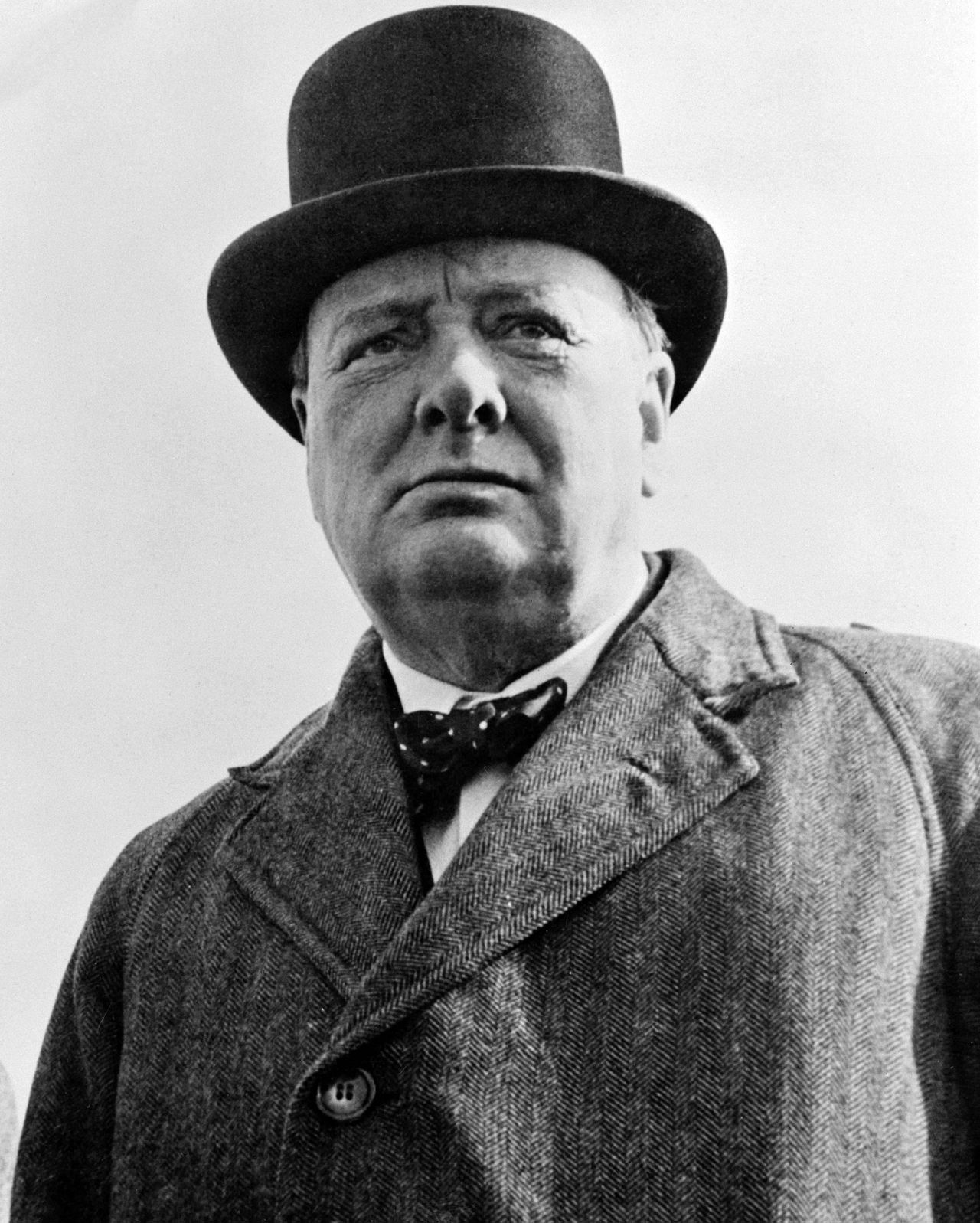


Early life and trade union career
Born into a working-class family, Bevin left formal schooling early and worked on the docks. He rose through union ranks and helped build broad industrial organisation. His leadership combined practical organisation of workers with negotiation skills that expanded union influence in the interwar years. He was closely involved in founding and leading large unions that shaped British labour relations.
Government roles and wartime work
During World War II Bevin served as Minister of Labour in the wartime coalition. He organised recruitment and allocation of manpower for munitions, armed services and essential industries, introducing policies that balanced military needs with industrial production. One well-known wartime measure associated with his ministry was the programme that sent young men to work in the coal mines to maintain energy supplies.
Foreign policy and postwar influence
After the 1945 general election Bevin became Foreign Secretary in the Labour government. He was a strong advocate of collective security, western cooperation, and resistance to Soviet expansion in Europe. He played a central part in shaping British positions toward the Marshall Plan, the North Atlantic Treaty and early Cold War arrangements. His anti-Communist stance and insistence on firm alliances were defining features of his tenure. Researchers may consult policy summaries and diplomatic histories at reference links and international archives.
Legacy and notable facts
- Rose from manual labour to become one of Britain’s leading union figures and a cabinet minister.
- As Minister of Labour, he organised wartime mobilisation of workers and essential services.
- As Foreign Secretary, he helped steer Britain into postwar cooperative security arrangements.
Bevin remains a complex figure: praised for organisational ability and influence on postwar western unity, while also attracting criticism for some colonial and Middle East policies. His career illustrates the shift of trade union leaders into central national and international roles in the mid-20th century.
Related articles
Author
AlegsaOnline.com Ernest Bevin (1881–1951) — British trade unionist and statesman Leandro Alegsa
URL: https://en.alegsaonline.com/art/118665
Sources
- bbc.co.uk : "Ernest Bevin (1881 - 1951)"