
Emperor Seiwa — 56th ruler of Japan (reigned 858–876)
Emperor Seiwa (850–880), the 56th sovereign in Japan's traditional sequence, reigned during the mid‑Heian period; his minority government under Fujiwara regency set an important precedent.
Emperor Seiwa (850–880) was the 56th sovereign in the traditional sequence of Japanese emperors. He occupied the throne from 858 until his abdication in 876. Seiwa's reign falls in the middle of the Heian period, a time when court culture and aristocratic clans shaped the administration and ceremonial life of the imperial court. He is counted in formal lists as the 56th emperor; see the traditional order of succession for the full sequence.
Image gallery
3 Images

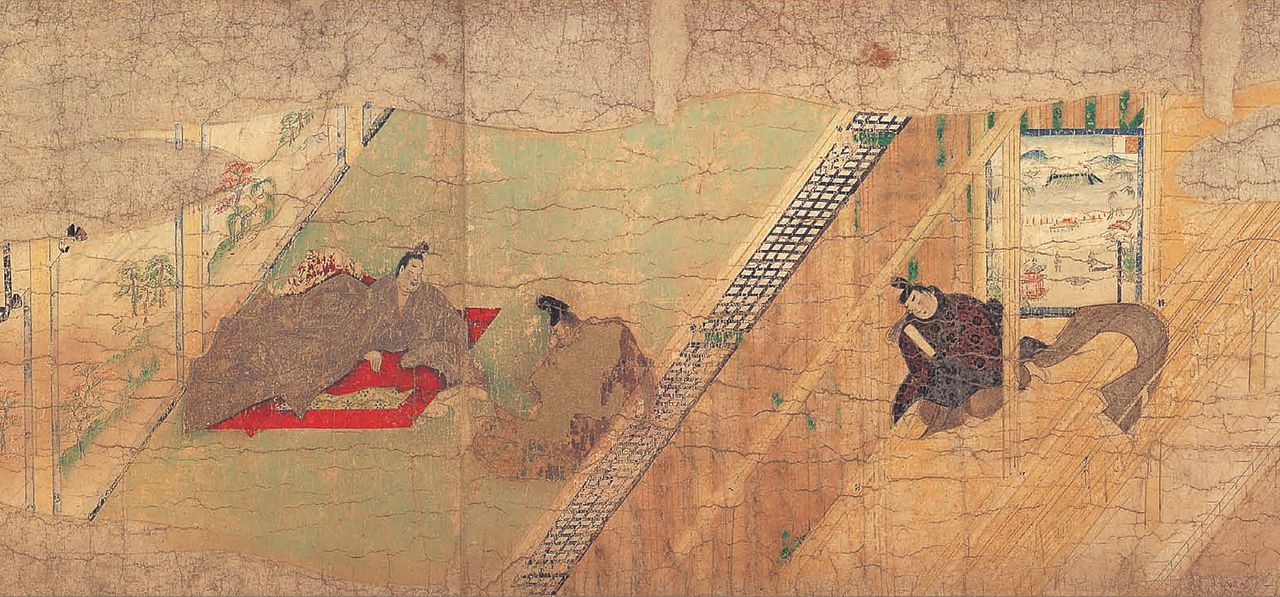
Early reign and regency
Seiwa became emperor while still a child, and a regency was established to govern in his name. His minority is especially notable because the regent who exercised power, Fujiwara no Yoshifusa, was one of the first non‑imperial courtiers to serve formally as sesshō (regent) for an emperor. That arrangement — a powerful Fujiwara acting as the emperor's guardian and chief adviser — is widely regarded as a turning point in the rise of Fujiwara influence over the imperial household.
Context and court government
The period of Seiwa's rule saw the consolidation of aristocratic control over court offices, rituals, and provincial appointments. Although the emperor remained the focal point of religious and constitutional legitimacy, much of day‑to‑day policy and court patronage was influenced by leading noble families. The Heian court also continued to deepen its connections with Buddhist institutions and to refine the ceremonies that defined imperial authority.
Abdication, succession, and later life
In 876 Seiwa stepped down from the throne and was succeeded by his son, who became Emperor Yōzei. Seiwa lived for several years after his abdication and died in 880. His retirement and succession fit a recurring pattern in which emperors ceded the throne while remaining influential figures within the aristocratic and religious landscape of the capital.
Significance and legacy
- Seiwa's minority and the regency of Fujiwara no Yoshifusa are often cited as an early example of the Fujiwara clan's effective control of imperial power.
- His reign illustrates the evolving balance between ceremonial sovereignty and the practical authority exercised by leading courtiers during the Heian era.
- Seiwa's place in the imperial lineage helped maintain dynastic continuity; his descendants continued to occupy the throne in subsequent generations.
For readers seeking broader context on the state Seiwa ruled, consult resources on Heian Japan and the political history of the imperial court. The reign of Emperor Seiwa is one episode in a longer sequence of court transformations that shaped medieval Japanese governance and aristocratic culture; further reading on the Heian court system can provide a fuller picture of how regency, marriage alliances, and monastic institutions interacted with imperial authority in this era. See a general overview of Japan for related cultural and historical background.
Questions and answers
Q: Who was Emperor Seiwa?
A: Emperor Seiwa was the 56th emperor of Japan according to the traditional order of succession.
Q: When did Emperor Seiwa start his reign?
A: Emperor Seiwa started his reign in 858.
Q: When did Emperor Seiwa's reign end?
A: Emperor Seiwa's reign ended in 876.
Q: What was Emperor Seiwa's full name?
A: Emperor Seiwa's full name was Seiwa-tennō.
Q: When was Emperor Seiwa born?
A: It is not mentioned in the provided text when Emperor Seiwa was born.
Q: How long did Emperor Seiwa rule as emperor of Japan?
A: Emperor Seiwa ruled as emperor of Japan for 18 years.
Q: Where is the information on Emperor Seiwa coming from?
A: The information on Emperor Seiwa comes from an unknown source, as it has not been provided in the text.
Related articles
Author
AlegsaOnline.com Emperor Seiwa — 56th ruler of Japan (reigned 858–876) Leandro Alegsa
URL: https://en.alegsaonline.com/art/118522
Sources
- kunaicho.go.jp : 清和天皇 (56)
- books.google.com : Nipon o dai itsi ran: ou Annales des empereurs du Japon
- books.google.com : 愚管抄: A Translation and Study of the Gukansho, an Interpretative History of Japan Written in 1219
- kunaicho.go.jp : Ceremony of Accession (Sokui-no-Rei)
- books.google.com : 愚管抄: A Translation and Study of the Gukansho, an Interpretative History of Japan Written in 1219
- books.google.com : 愚管抄: A Translation and Study of the Gukansho, an Interpretative History of Japan Written in 1219