
Emperor Suizei, Legendary Second Emperor of Japan
Emperor Suizei is listed as the second ruler in Japan's traditional imperial succession. Regarded as a legendary figure, his life and reign lack independent contemporary evidence and are known from later chronicles.
Overview
Emperor Suizei is recorded in Japan's traditional imperial sequence as the second sovereign after the mythical first ruler. In classical chronicles he appears as a successor in the early genealogies that underpin Japan's ruling house. Modern historians treat Suizei as a largely legendary or mytho-historical figure rather than a person attested by contemporary records; the conventional ordering that places him second comes from later compilations of imperial lineage that sought to present an unbroken line of rulers. See the traditional listing here: traditional order and contextual references to Japan.
Image gallery
4 Images
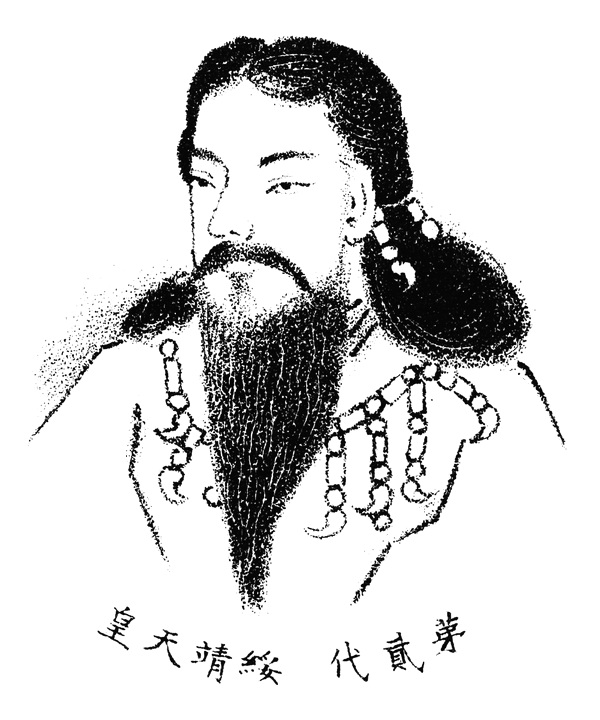


Sources and historicity
Accounts of Suizei derive from early Japanese chronicles and medieval compilations that mix oral tradition, clan genealogies, and political narrative. These texts were composed centuries after the events they describe and often assign posthumous names and regnal details retrospectively. Because of that retrospective naming process, the name by which he is known was given after the fact: a posthumous regnal name created by later generations (see later compilers). Scholars characterize Suizei as a legendary ruler and caution that no secure contemporary documentary or archaeological evidence identifies him or fixes firm dates for his life or reign: no certain dates.
Tradition about his reign and seat
Medieval historical works record that Suizei's seat was at the palace called Takaoka-no-miya in the district of Katsuragi within the region later known as Yamato. One well-known medieval history that preserves this detail is the Gukanshō, which recounts early palace names and the succession of rulers. Such place names and palace traditions are important for Japan's courtly memory, but by themselves they do not constitute independent confirmation of an individual ruler's historicity.
Development of the imperial list
The ordering and names of the earliest sovereigns were standardized only many centuries after the events they describe. In the compilation and endorsement of a continuous imperial genealogy, the court of the eighth and ninth centuries played a major role in adopting the sequence now treated as "traditional." In particular, the list of early emperors was not fixed as official history until the reign of later monarchs; one milestone in that development was the consolidation that occurred during the reign of Emperor Kammu, the fiftieth monarch in the traditional sequence: Emperor Kammu.
Legacy and scholarly perspective
Today Suizei is significant mainly as a figure within Japan's foundational narratives. He functions as part of a legitimizing genealogy that links the imperial house to divine and heroic ancestors, and he appears in ritual and literary contexts as one of the early named rulers. Modern historians and archaeologists generally treat the earliest named emperors as embedded in myth and legend and look for corroboration in material culture and external records before accepting individual names as historical. For accessible introductions to how these early traditions were recorded and transmitted, consult classical sources and scholarship that discuss the compilation process: traditional order, legendary listings, and the Gukanshō.
Notable points
- Name and status: Suizei is a posthumous name assigned in later historiography (posthumous regnal names).
- Evidence: There are no contemporary documents or inscriptions universally accepted as confirming his historicity (chronological uncertainty).
- Sources: Information about Suizei survives in early chronicles and medieval histories, including compendia that shaped official memory (later generations, Gukanshō).
- Role: He is part of the mytho-historical framework that legitimizes the imperial line and appears consistently in traditional lists (Japan, traditional order).
For further reading and reference, many general surveys of early Japanese history discuss the nature of these early imperial entries and the problems of distinguishing legend from verifiable history; these works often explain how names like Suizei entered the official roster and how that roster was used in later political and ritual contexts (compilers and historians, institutional consolidation, chronological issues).
Questions and answers
Q: Who was Emperor Suizei?
A: Emperor Suizei was the 2nd emperor of Japan according to the traditional order of succession.
Q: Do historians consider Emperor Suizei to be a real person or just a legend?
A: Historians consider Emperor Suizei to be a legendary person.
Q: What is the significance of the name Suizei-tennō?
A: The name Suizei-tennō was created for Emperor Suizei after his death by later generations.
Q: Is it possible to assign certain dates to Emperor Suizei's life or reign?
A: No certain dates can be assigned to Emperor Suizei's life or reign.
Q: When were the conventionally accepted names and sequence of the early emperors confirmed as "traditional"?
A: The conventionally accepted names and sequence of the early emperors were confirmed as "traditional" during the reign of Emperor Kammu, who was the 50th monarch of the Yamato dynasty.
Q: Where did the Gukanshō records state that Emperor Suizei ruled from?
A: The Gukanshō records state that Emperor Suizei ruled from the palace of Takaoka-no-miya at Katsuragi in what will come to be known as Yamato province.
Q: Is there any definitive evidence of Emperor Suizei's existence?
A: There is no definitive evidence of Emperor Suizei's existence, as he is considered a legendary figure.
Related articles
Author
AlegsaOnline.com Emperor Suizei, Legendary Second Emperor of Japan Leandro Alegsa
URL: https://en.alegsaonline.com/art/118525
Sources
- kunaicho.go.jp : 綏靖天皇 (2)
- t-net.ne.jp : "Kofun Culture,"
- t-net.ne.jp : Japanese Archaeology.
- sacred-texts.com : The Kojiki, p. 184.
- simple.wiktionary.orgLegend.html : Legendary period