
Emperor Taishō (Yoshihito), 123rd Emperor of Japan
Emperor Taishō (Yoshihito, 1879–1926) reigned 1912–1926. His era saw political liberalization, Japan's role in World War I and the Siberian Intervention, and the transfer of power to his son Hirohito.
Overview
Emperor Taishō, born Prince Yoshihito in 1879, was the 123rd sovereign in Japan's traditional order of succession. He acceded to the throne in July 1912 and reigned until his death in December 1926. During his tenure Japan consolidated many Meiji-era reforms while taking on a more visible international role during the First World War and its chaotic aftermath. The name Taishō, assigned at his accession, is used both for the emperor and the era that bears his reign.
Image gallery
8 Images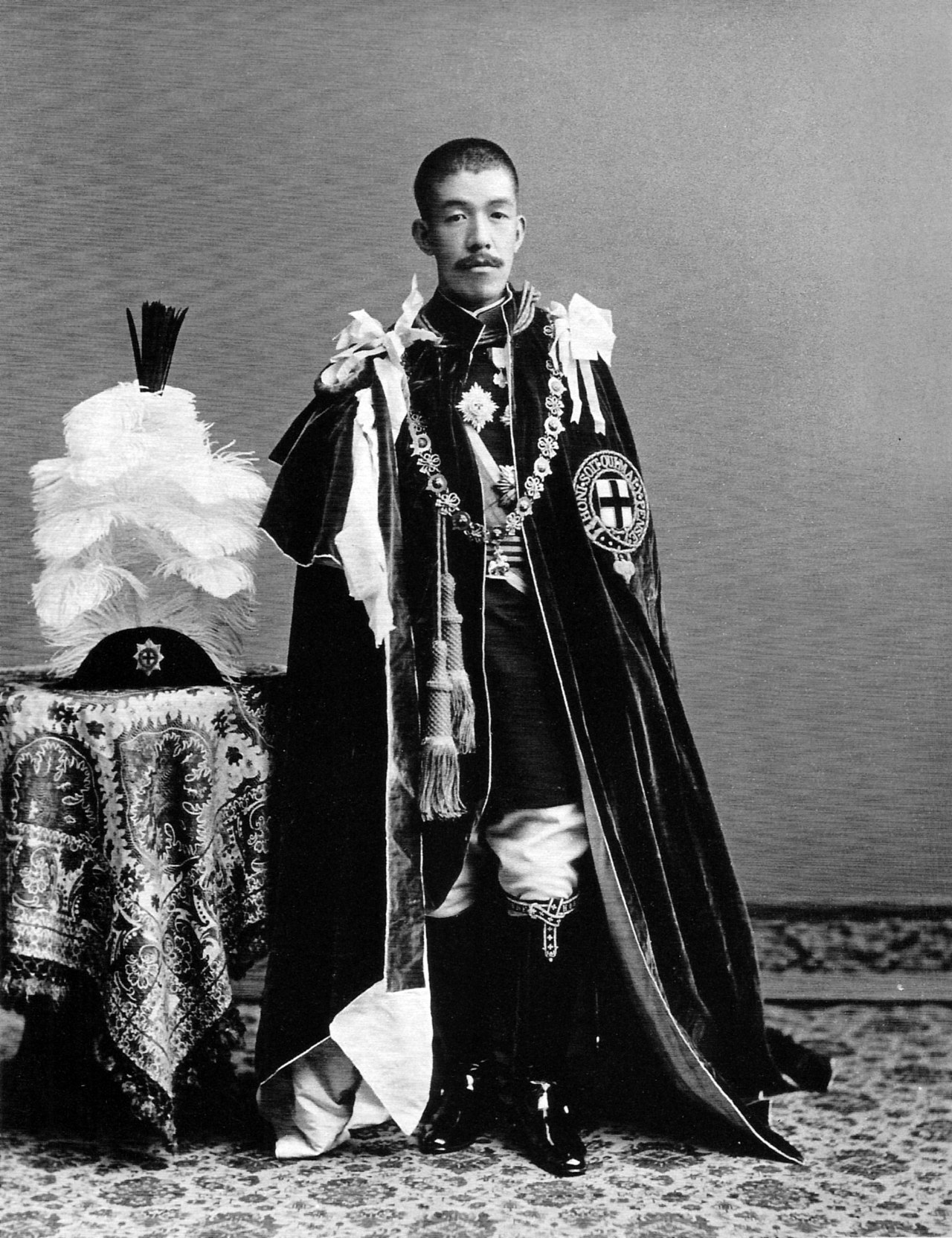


Personal background and health
Yoshihito was the heir of Emperor Meiji and became emperor at a moment when Japan was already modernizing rapidly. He suffered from chronic health problems that limited his public activities, and in the later years of his reign these problems prompted his eldest son to assume many official duties. From about 1921 the future Emperor Shōwa acted as regent because the emperor's capacity to perform ceremonial and political functions had diminished.
Politics, society and the "Taishō Democracy"
The Taishō period is often associated with an expansion of parliamentary influence, party politics, and greater public participation in political life—an era sometimes called "Taishō democracy." Cabinets became more dependent on the House of Representatives, political parties grew in importance, and debates over civil rights, labor, and social policy became more prominent. At the same time, traditional institutions continued to exert strong influence, and the political scene remained contested and unstable.
Foreign policy and military actions
Under Taishō Japan pursued an assertive foreign policy. Japan joined the Allied powers in the First World War and seized German possessions in East Asia and several Pacific islands. The government also pressed its interests in China with diplomatic and commercial measures that provoked both cooperation and controversy. After the Great War, Japan took part in multinational interventions during the Russian Civil War, notably the Siberian Intervention, deploying troops to the Russian Far East. Public debate and international pressure contributed to the withdrawal of Japanese forces by 1922.
- Traditional succession and reign: Emperor Taishō is styled within Japan's historic succession.
- Position: served as Emperor of Japan from 1912 to 1926.
- World War I alignment: Japan fought against the German Empire alongside the British Empire and other Allies.
- Allied cooperation included ties with powers such as the Portuguese Empire and dominions including Australia, among others.
- Postwar actions: involvement in the Russian Civil War via the Siberian Intervention.
- Domestic debate and external pressure led to the withdrawal mentioned in contemporary accounts: see references to withdrawal of forces.
- Military forces deployed were elements of the Imperial Japanese Army.
Legacy and succession
Taishō's reign bridged the dynamic modernization of the Meiji era and the more turbulent politics of the early Shōwa years. His time on the throne is remembered for both a degree of political liberalization and the widening scope of Japan's international ambitions. When he died in 1926 he was succeeded by his son, who became Emperor Shōwa (Hirohito) and presided over a very different period in Japanese and world history.
For further reading on this period and its events, consult major historical overviews of modern Japan and contemporary diplomatic histories. Academic works and museum collections provide detailed accounts of the Taishō era's cultural and political life as well as its foreign engagements.
Questions and answers
Q: Who was Emperor Taishō?
A: Emperor Taishō was the 123rd emperor of Japan according to the traditional order of succession. He reigned from 1912-1926 and his coronation name was Yoshihito.
Q: What events did Emperor Taishō take part in during his reign?
A: During his reign, Emperor Taishō took part in World War 1 against the German Empire, as well as the Siberian Intervention and Revolt Of The Czechoslovak Legion during the Russian Civil War.
Q: What countries were allies with Japan during World War 1?
A: During World War 1, Japan was allied with the British Empire, French Third Republic, Portuguese Empire, and Australia to fight against Kaiser Wilhelm II.
Q: When did Emperor Taishō's reign begin and end?
A: Emperor Taishō's reign began on 30 July 1912 and ended with his death in 1926.
Q: What is the meaning of "Taishō"?
A: The word "Taisho" means "Great Justice" in Japanese.
Q: How long did Japan participate in the Siberian Intervention?
A: Japan participated in the Siberian Intervention from 1918-1922.
Q: How long did Japan participate in the Revolt Of The Czechoslovak Legion?
A: Japan participated in the Revolt Of The Czechoslovak Legion from 1918-1920.
Related articles
Author
AlegsaOnline.com Emperor Taishō (Yoshihito), 123rd Emperor of Japan Leandro Alegsa
URL: https://en.alegsaonline.com/art/118528
Sources
- worldcat.org : OCLC 247018161
- worldcat.org : OCLC 2158641