
Emperor Suinin — legendary 11th emperor of Japan
Emperor Suinin is traditionally listed as Japan’s 11th emperor. Considered legendary by historians, his life and reign have no reliable dates; details come from ancient chronicles and later tradition.
Overview
Emperor Suinin is recorded in Japan’s traditional succession as the eleventh sovereign. In the classical chronicles he appears as part of the imperial lineage handed down in works such as the Kojiki and the Nihon Shoki. Modern scholars treat Suinin as a legendary or semi-legendary figure rather than a historically verified ruler, and his personal name and reign length cannot be established with confidence. The story of Suinin survives primarily through later compilations and court tradition rather than contemporary records.
Image gallery
3 Images
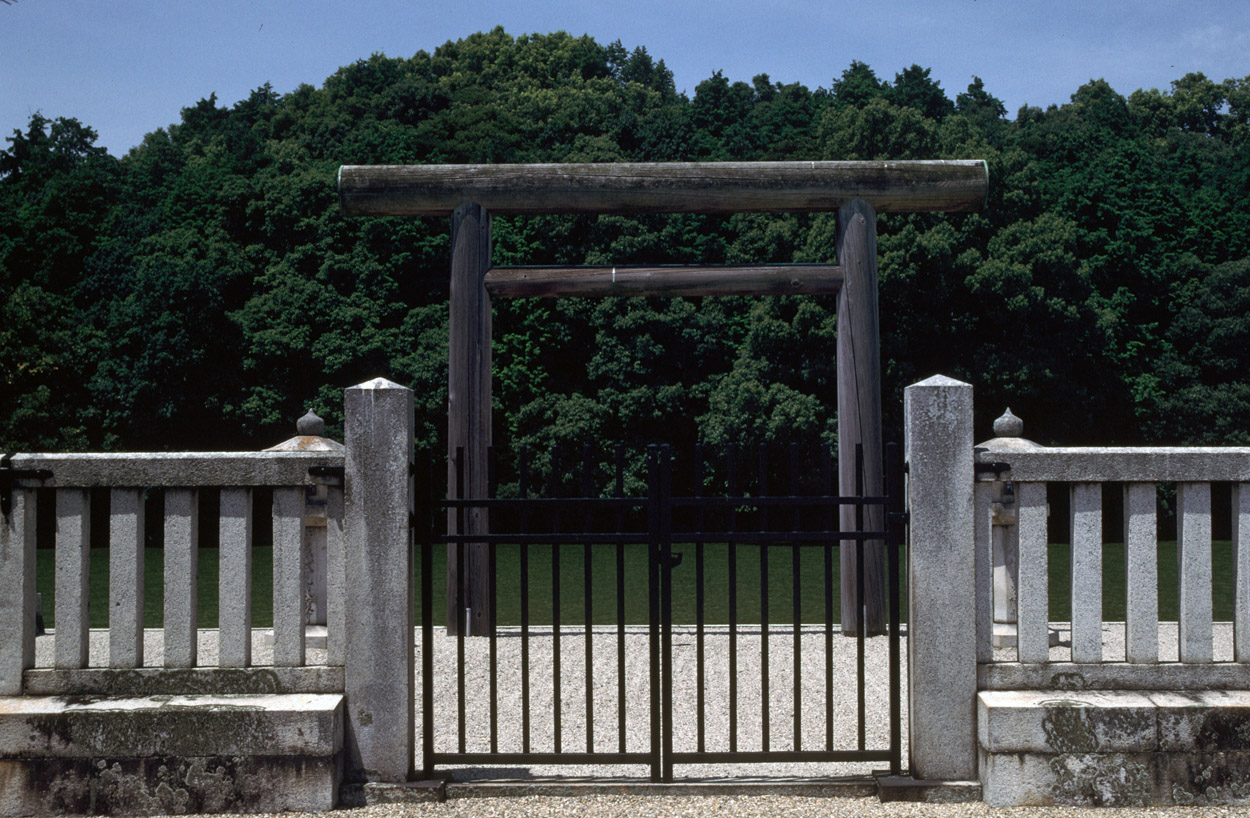

Names, sources and posthumous designation
The name by which he is now known, Suinin-tennō, was assigned after his supposed lifetime; this posthumous naming of early rulers was common and reflected later generations' attempts to systematize the imperial past. The principal sources that mention Suinin are classical Japanese chronicles and later historical works. Because these documents were compiled centuries after the events they describe, historians approach their narratives cautiously. The label "legendary" is commonly applied in modern scholarship to indicate this uncertain historicity.
Traditional chronology and location
Traditional lists place Suinin as the eleventh monarch in the imperial sequence. These lists were not fixed as the canonical order until much later; the recognized sequence of early emperors became standardized during the reign of Emperor Kammu, the fiftieth monarch. According to later records such as the Gukanshō, Suinin's court was associated with the palace called Tamaki-no-miya at Makimuku in what later became known as Yamato Province. These geographic references situate him within the central Yamato polity that features prominently in accounts of early Japanese state formation.
Legend, historicity and scholarly perspective
Scholars distinguish between the traditional narrative preserved by the court and what can be corroborated by archaeology or contemporary documents. Early emperors like Suinin are often described alongside mythical events and divine genealogies, which complicate efforts to assign specific dates or factual biographies. As a result, historians typically treat Suinin as part of a dynastic tradition preserved for legitimizing later rulers rather than as a figure whose life is documented in independent, verifiable sources.
Cultural significance and later traditions
Even if Suinin’s personal history cannot be verified, the figure attributed to him has cultural and symbolic significance. Names and episodes linked to early emperors played roles in court ritual, shrine foundation stories, and the shaping of a continuous imperial identity. Later writers and compilers relied on such names to create a coherent succession and to anchor local cults or palace sites in an ancient past.
Key points and distinctions
- Traditional position: eleventh sovereign in the classical imperial sequence (traditional order).
- Geographic association: Tamaki-no-miya at Makimuku in Yamato, per later chronicles (Japan).
- Historicity: regarded as a legendary ruler; details are uncertain.
- Posthumous naming: the title Suinin-tennō was created by later generations as part of naming conventions.
- Compilation context: narratives were shaped by successive court historians and compilers (later generations).
- Chronological fixation: lists were standardized under Emperor Kammu according to later tradition.
- Documentary mention: some details are recorded in works such as the Gukanshō.
Because Suinin stands at the boundary between myth and early historical memory, articles about him emphasize the nature of the sources and the role of such figures in constructing Japan’s early political and religious identity rather than claiming firm biographical facts.
Questions and answers
Q: Who was Emperor Suinin?
A: Emperor Suinin was the 11th emperor of Japan, according to the traditional order of succession.
Q: What is the historical significance of Emperor Suinin?
A: Historians consider Emperor Suinin to be a legendary person, and his name was created posthumously by later generations.
Q: Can any certain dates be assigned to the life or reign of Emperor Suinin?
A: No, no certain dates can be assigned to the life or reign of Emperor Suinin.
Q: When were the conventionally accepted names and sequence of the early emperors confirmed as "traditional"?
A: The conventionally accepted names and sequence of the early emperors were confirmed as "traditional" during the reign of Emperor Kammu, who was the 50th monarch of the Yamato dynasty.
Q: Where did Emperor Suinin rule from?
A: Emperor Suinin ruled from the palace of Tamaki-no-miya at Makimuku in what will come to be known as Yamato province.
Q: Is there any information on the length of Emperor Suinin's reign?
A: No information is available on the length of Emperor Suinin's reign.
Q: How was Emperor Suinin's name created?
A: Emperor Suinin's name was created posthumously by later generations.
Related articles
Author
AlegsaOnline.com Emperor Suinin — legendary 11th emperor of Japan Leandro Alegsa
URL: https://en.alegsaonline.com/art/118524
Sources
- kunaicho.go.jp : 孝安天皇 (11)
- t-net.ne.jp : "Kofun Culture,"
- t-net.ne.jp : Japanese Archaeology.