
Emperor Taizong of Tang (Li Shimin): Architect of the Zhenguan Era
Li Shimin (599–649), Emperor Taizong, second Tang ruler whose Zhenguan reign combined administrative reform, military expansion, and cultural flourishing—often cited as a high point in Chinese imperial history.
Emperor Taizong of Tang (personal name Li Shimin; 599–649) was the second emperor of the Tang dynasty and one of the most influential rulers in early medieval China. He came to power after a violent succession struggle in 626 and reigned under the era name Zhenguan (627–649). Taizong is remembered for consolidating Tang rule, strengthening central government institutions, encouraging competent administration, and presiding over a period of economic and cultural growth centered on the capital Chang'an.
Image gallery
10 Images


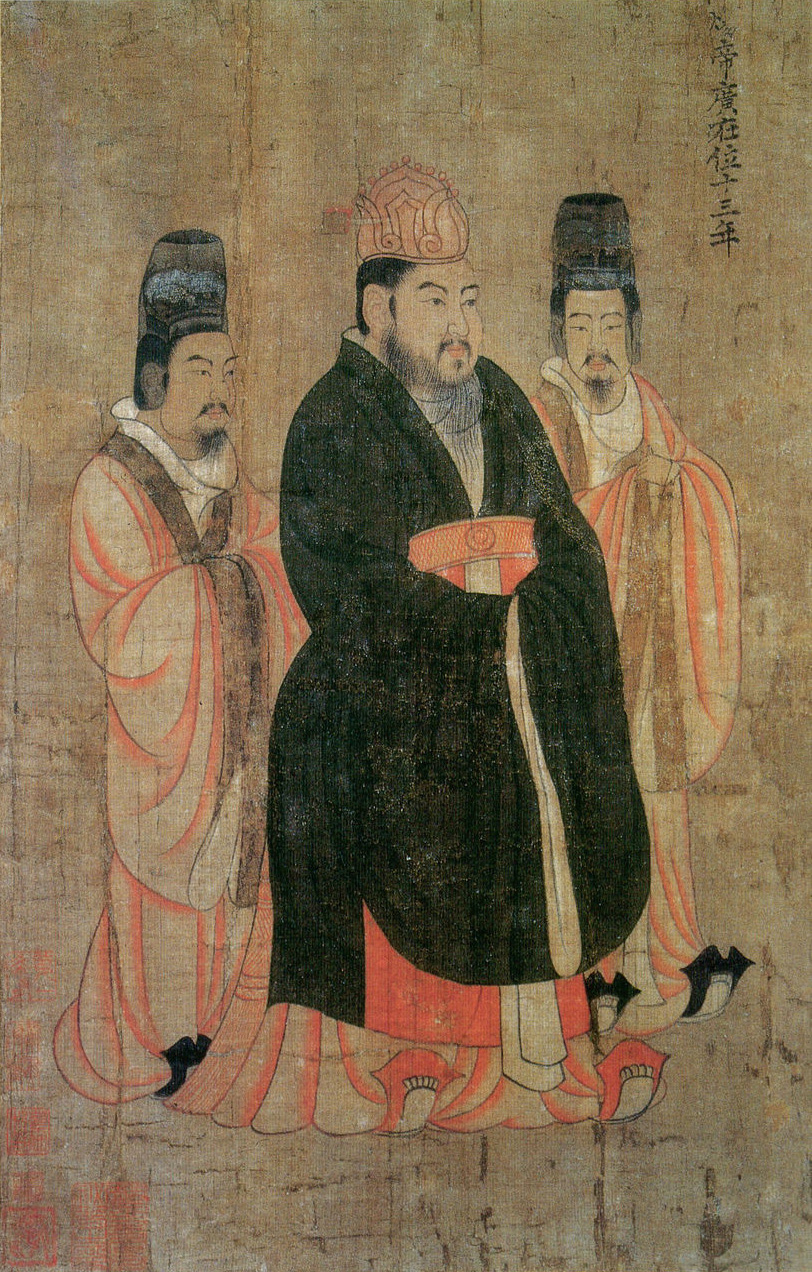
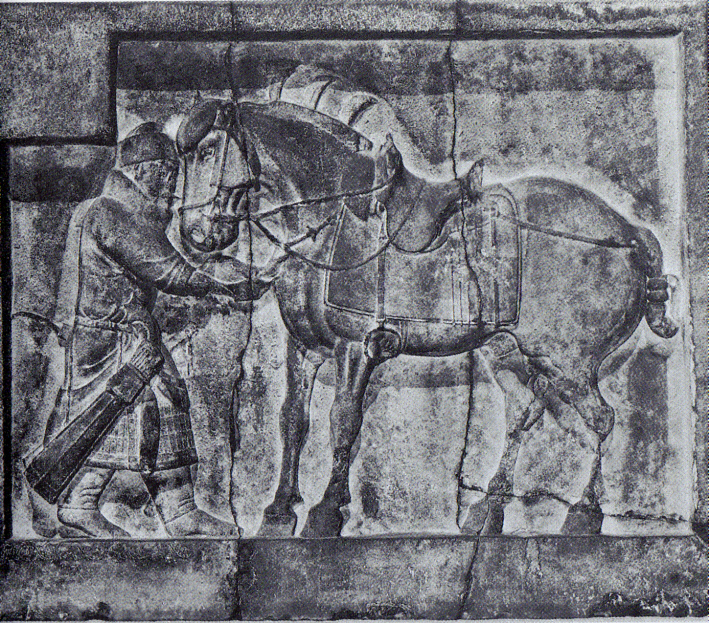

Governance, reforms, and administration
Taizong emphasized capable civil service and law. He supported recruitment of talented advisers and officials, promoted meritocratic appointments, and endorsed revisions to legal and fiscal systems that stabilized state revenue and clarified administrative procedures. Prominent ministers of his court—such as Zhangsun Wuji, Fang Xuanling, Du Ruhui, and the frank critic Wei Zheng—shaped policy through debate and counsel. Under Taizong the foundations of the Tang legal code and an efficient bureaucracy were consolidated, helping ensure continuity after his reign.
Military campaigns and foreign relations
Military activity during Taizong's rule extended Tang influence across much of northern and central China and into parts of Central Asia. His forces defeated rival Turkic groups and exerted Tang suzerainty over important steppe confederations, which improved security on the Silk Road and bolstered trade. At the same time, campaigns against Korean states and other neighbors met with mixed results. Taizong combined military strength with diplomatic ties to manage border peoples and promote tributary relationships.
Notable features of his reign include a relatively open court that accepted public remonstrance, investment in infrastructure such as canals and granaries, and fostering of cosmopolitan urban life in Chang'an. The Zhenguan period is frequently cited by later historians as a model of balanced rule, though it began with Taizong's ruthless removal of political rivals in the palace struggle of 626.
Taizong's legacy is complex: he is praised for statecraft, cultural patronage, and strengthening the Tang state, yet his rise involved violent fraternal conflict. Modern overviews and primary-source collections provide further detail on his policies, campaigns, and the institutions he shaped. For additional reading and source collections see historical summaries, background on the Tang dynasty, military campaigns and maps here, cultural context here, court biographies here, and annotated sources here.
- Era name: Zhenguan (627–649)
- Personal name: Li Shimin
- Major accomplishments: institutional reform, frontier stabilization, cultural patronage
- Controversy: succession struggle and palace coup in 626
Related articles
Author
AlegsaOnline.com Emperor Taizong of Tang (Li Shimin): Architect of the Zhenguan Era Leandro Alegsa
URL: https://en.alegsaonline.com/art/118529