
Elvis Stojko — Canadian Figure Skater and Three‑Time World Champion
Overview of Elvis Stojko, a Canadian figure skater known for athletic jumping, three World titles, seven national titles, two Olympic silver medals, and influence from martial arts.
Elvis Stojko is a Canadian figure skater celebrated for combining powerful jump technique with athleticism. Born on March 22 and raised near Newmarket in Ontario, he rose to prominence in the 1990s and became one of the sport's leading male competitors. Stojko won three World Championships, captured seven national titles, and earned Olympic medals, establishing a legacy as a technically daring and influential skater.
Image gallery
3 Images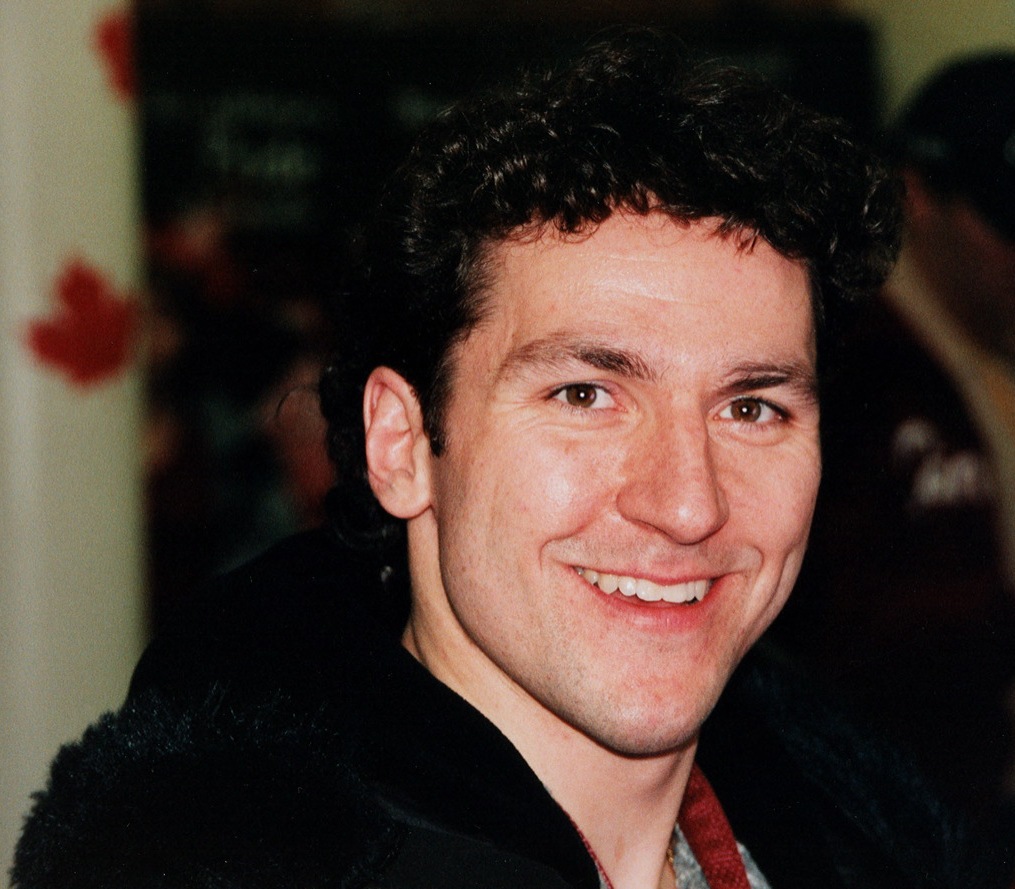

Early life and background
Named after entertainer Elvis Presley, Stojko was introduced to the ice at a young age and began skating around age four. He grew up in the Greater Toronto Area and developed a dual interest in skating and martial arts. Stojko earned a black belt in karate, a discipline that shaped aspects of his training, posture, and presentation on the ice.
Competitive career and style
On the competitive stage Stojko became known for his jumping content and athletic speed. He was an early adopter of quadruple jumps and is credited with landing demanding combinations that pushed the technical limits of men's skating. His style blended strong edge work with direct, sporty carriage rather than the balletic approach seen in some contemporaries.
- Major achievements: three-time World Champion, seven-time Canadian champion, and multiple Olympic medalist.
- Technical milestones: among the first skaters to perform a quadruple–triple jump combination in international competition, advancing the technical standard for men's events.
- Cross-disciplinary influence: applied aspects of martial arts training to jump technique, core strength, and performance focus.
Professional life and later activities
After his peak competitive years, Stojko turned professional and continued to skate in exhibitions, tours, and special events. He has appeared in televised skating specials and worked with choreographers and coaches, contributing to the sport as a performer and mentor. Beyond the ice, he has remained active in martial arts and fitness pursuits, and has occasionally returned to competitive or demonstration karate events.
Legacy and notable facts
Stojko's career is often cited when discussing the 1990s shift toward greater athleticism in men's figure skating. His insistence on high difficulty content influenced later generations who prioritized quadruple jumps as a standard competitive element. For further reading about his competitive results and programs, see resources on Canadian skating and biographies of prominent figure skaters. More personal or archival material can be found through regional sports histories and interviews with the skater, some of which reference his upbringing in Ontario and his training regimen.
Stojko remains a recognizable figure in skating: his name is linked to technical progress, the integration of athletic training into artistic sport, and a distinctive personal brand that sometimes included skating to music by the performer he was named for. Archived programs and highlight reels continue to illustrate his combination of speed, height on jumps, and a direct competitive style.
Related articles
Author
AlegsaOnline.com Elvis Stojko — Canadian Figure Skater and Three‑Time World Champion Leandro Alegsa
URL: https://en.alegsaonline.com/art/118397
Sources
- thecanadianencyclopedia.com : "Stojko, Elvis"