
Elliott Gould — American actor and character performer
Elliott Gould (born Elliott Goldstein, 1938) is an American film, television and stage actor known for 1970s New Hollywood roles, recurring TV parts and a long career as a character performer.
Overview
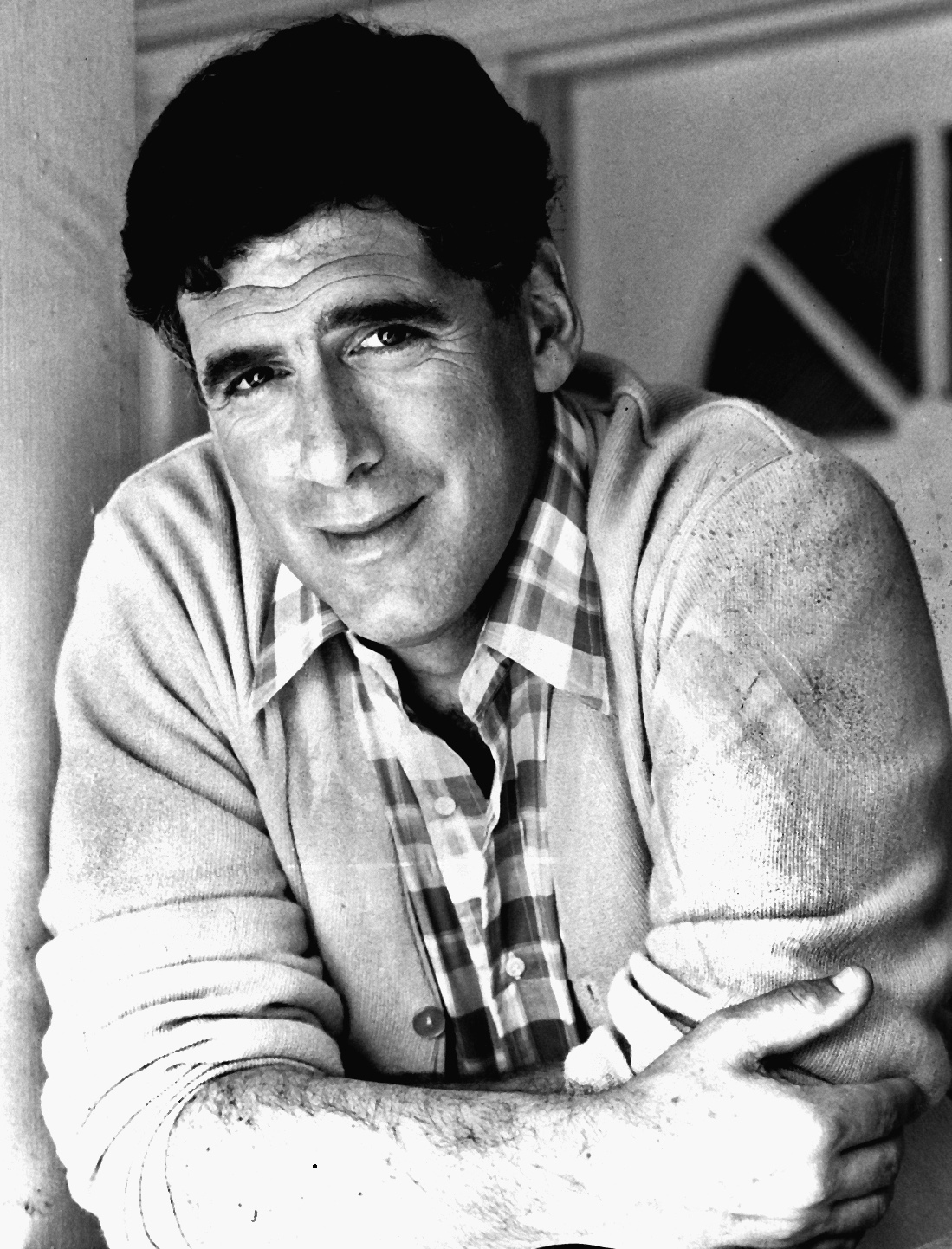
Elliott Gould (born Elliott Goldstein on August 29, 1938) is an American actor whose career has spanned film, television and stage. Raised in Brooklyn, New York City, he emerged in the late 1960s and became associated with the informal, improvisational style of directors of that era. Gould's work includes leading parts in influential films and a steady stream of supporting and character roles.
Image gallery
4 Images


Career and style
Gould first gained wide attention for film roles that blended naturalistic speech, dry humor and an offbeat charisma. He collaborated with notable filmmakers and became part of the shift in American cinema during the late 1960s and early 1970s often called New Hollywood. Critics and audiences recognized his relaxed delivery and ability to mix comedy with dramatic undertones, qualities that made him a sought-after performer for both original and ensemble projects.
Selected film highlights
- M*A*S*H (1970) — one of the films that brought him broad notice.
- Bob & Carol & Ted & Alice (1970) — a prominent role in a film that examined changing social mores.
- Ocean's Eleven (2001) — a later mainstream success in a high-profile ensemble; see also the 2001 release.
Television, stage and later work
Beyond cinema, Gould has appeared frequently on television, guest-starring and recurring on series across decades. He is widely recognized for his recurring role as Jack Geller on the sitcom Friends, which introduced him to a new generation of viewers. He has continued to take diverse parts, alternating between stage appearances, television guest roles and character parts in films.
Personal life
Born into a Jewish family, Gould has spoken about his connection to his Jewish identity. He married singer and actress Barbra Streisand in 1963; their marriage and professional lives attracted public attention. The couple separated in 1969 and were formally divorced in 1971. Their son, actor Jason Gould, was born in 1966. Streisand is often referenced in discussions of Gould's life and career, including in profiles and biographies (further reading).
Notable facts and legacy
Gould's career is notable for its longevity and adaptability: he moved from leading-man status in a particular film era to reliable supporting and character roles that kept him visible across generations. His early work remains associated with a moment of change in American film, while later television roles kept him part of mainstream popular culture. For detailed filmographies and credits consult comprehensive resources and actor databases (professional listings).
For additional context, interviews and career retrospectives, see selected resources and archival material referenced by film and television historians (New York resources, film analyses, personal profiles, and other collections about his work).
Related articles
Author
AlegsaOnline.com Elliott Gould — American actor and character performer Leandro Alegsa
URL: https://en.alegsaonline.com/art/118368
Sources
- biography.com : Biography.com
- jnf.org : Elliott Gould helps Israel