
Bitburg controversy: Reagan's 1985 visit to a German military cemetery
A diplomatic and moral dispute triggered by President Reagan's 1985 visit to a military cemetery in Bitburg, Germany, where graves of Waffen-SS members raised questions of memory, reconciliation and presidential symbolism.
Overview
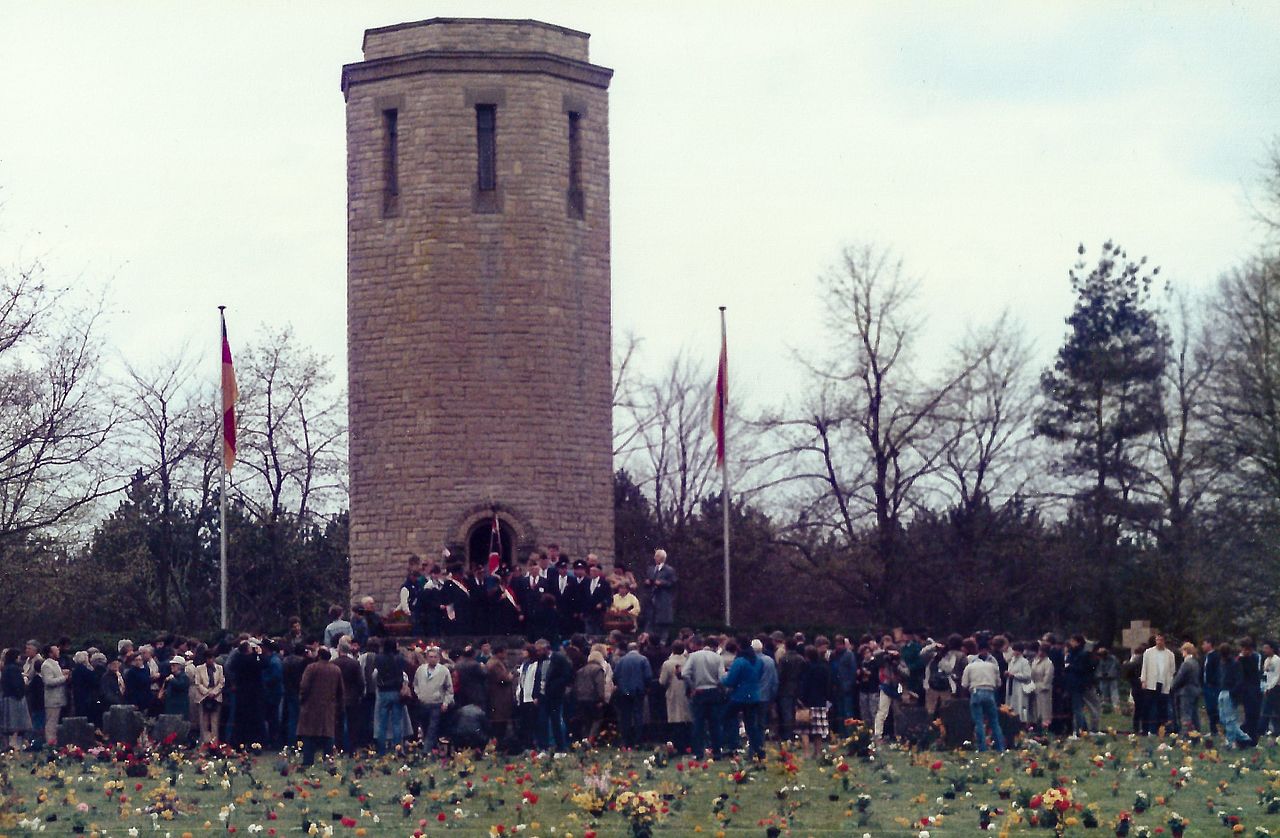
The Bitburg controversy refers to the diplomatic, political and moral backlash that followed U.S. President Ronald Reagan and West German Chancellor Helmut Kohl's planned visit in May 1985 to a military cemetery near Bitburg, a town close to the border with Luxembourg. The trip was scheduled to mark the 40th anniversary of the end of the war in Europe (Victory in Europe) and was intended as a demonstration of reconciliation and strengthened ties between the United States and West Germany during the Cold War era.
Image gallery
3 Images

Why the visit provoked controversy
- The cemetery contained the remains of German soldiers from World War II, among them members of the Waffen-SS, a formation associated with the Nazi regime. The SS had been judged a criminal organization at the Nuremberg trials, and the presence of those graves made an official visit politically and morally sensitive.
- Critics argued that an appearance by an American president risked lending official recognition to individuals who were part of organizations responsible for war crimes, while supporters said the intent was to honor ordinary war dead and to focus on reconciliation in the context of contemporary security concerns.
- The decision touched on broader public debates about how democratic societies remember atrocities, how to balance reconciliation with accountability, and what symbolic acts are appropriate for heads of state.
Immediate reactions and political debate
The planned stop prompted strong reactions in the United States and internationally. Members of Congress, veterans' organizations, Jewish groups and survivors of Nazi persecution publicly criticized the itinerary, pressing for a more explicit recognition of victims of Nazism. Many commentators and political leaders said that any presidential visit to a cemetery known to contain SS graves required additional symbolic gestures to make clear that the United States condemned Nazi crimes.
Adjustment of the itinerary: Bergen-Belsen
In response to the criticism, the White House modified the schedule. President Reagan and Chancellor Kohl visited the Bergen-Belsen concentration camp site, where Reagan delivered a speech that emphasized the suffering of Holocaust victims and invoked the pledge of "never again." That visit was presented as an explicit acknowledgement of Nazi atrocities and an attempt to address the moral concerns raised by the Bitburg stop.
Context: memory, politics and the Cold War
The episode occurred against the backdrop of 1980s Cold War politics and West Germany's postwar rehabilitation. For many in West Germany and among its NATO partners, reconciliation and solidarity against the Soviet bloc were urgent priorities. At the same time, the survivors of Nazi persecution and their advocates insisted that reconciliation could not come at the expense of clear moral condemnation and remembrance of victims. Bitburg therefore became a focal point where competing imperatives—diplomatic rapprochement and historical accountability—collided.
Aftermath and significance
The Bitburg affair had several lasting effects. It sharpened public discussion about presidential protocol at commemorative events and influenced how leaders plan visits to sites associated with complex or painful histories. Historians and commentators have since used the episode to examine how symbolism operates in international relations and how democratic societies manage collective memory. The controversy also reinforced the role of survivor groups and civil society in shaping official acts of remembrance.
Key takeaways
- The controversy demonstrates how a single symbolic act by a head of state can prompt intense debate about history, responsibility and morality.
- Reconciliation between former enemies often requires careful balancing of present strategic interests and honest acknowledgment of past crimes.
- The added visit to Bergen-Belsen was intended as corrective action to re-center official commemoration on the victims of Nazi persecution rather than on the perpetrators.
Further reading: Contemporary press coverage, congressional statements and later historical analyses explore the political choices that produced the controversy and its consequences for U.S.–German relations and public memory. For primary accounts see material on Reagan and Kohl's public statements and reporting of the time, and for interpretive discussion consult works on Cold War diplomacy and the politics of memory in postwar Germany. Relevant institutional or archival sources and scholarly studies provide fuller context for the episode and its legacy; readers may also consult general reference entries on the SS and on postwar German history for background.
Related articles
Author
AlegsaOnline.com Bitburg controversy: Reagan's 1985 visit to a German military cemetery Leandro Alegsa
URL: https://en.alegsaonline.com/art/11834