
BOAC Flight 911 (1966): Mid-air breakup near Mount Fuji
BOAC Flight 911, a Boeing 707 on March 5, 1966, disintegrated near Mount Fuji en route from San Francisco to Hong Kong. All 124 aboard died. Investigations pointed to structural failure under severe aerodynamic loads.
Overview
BOAC Flight 911 was a scheduled long‑haul passenger service operated with a Boeing 707 airliner type. On 5 March 1966 the aircraft broke up in flight and crashed on the slopes of Mount Fuji, killing everyone on board. The flight had originated in San Francisco and was bound for Hong Kong, with scheduled stopovers at Honolulu, Fukuoka and Tokyo.
Image gallery
4 Images

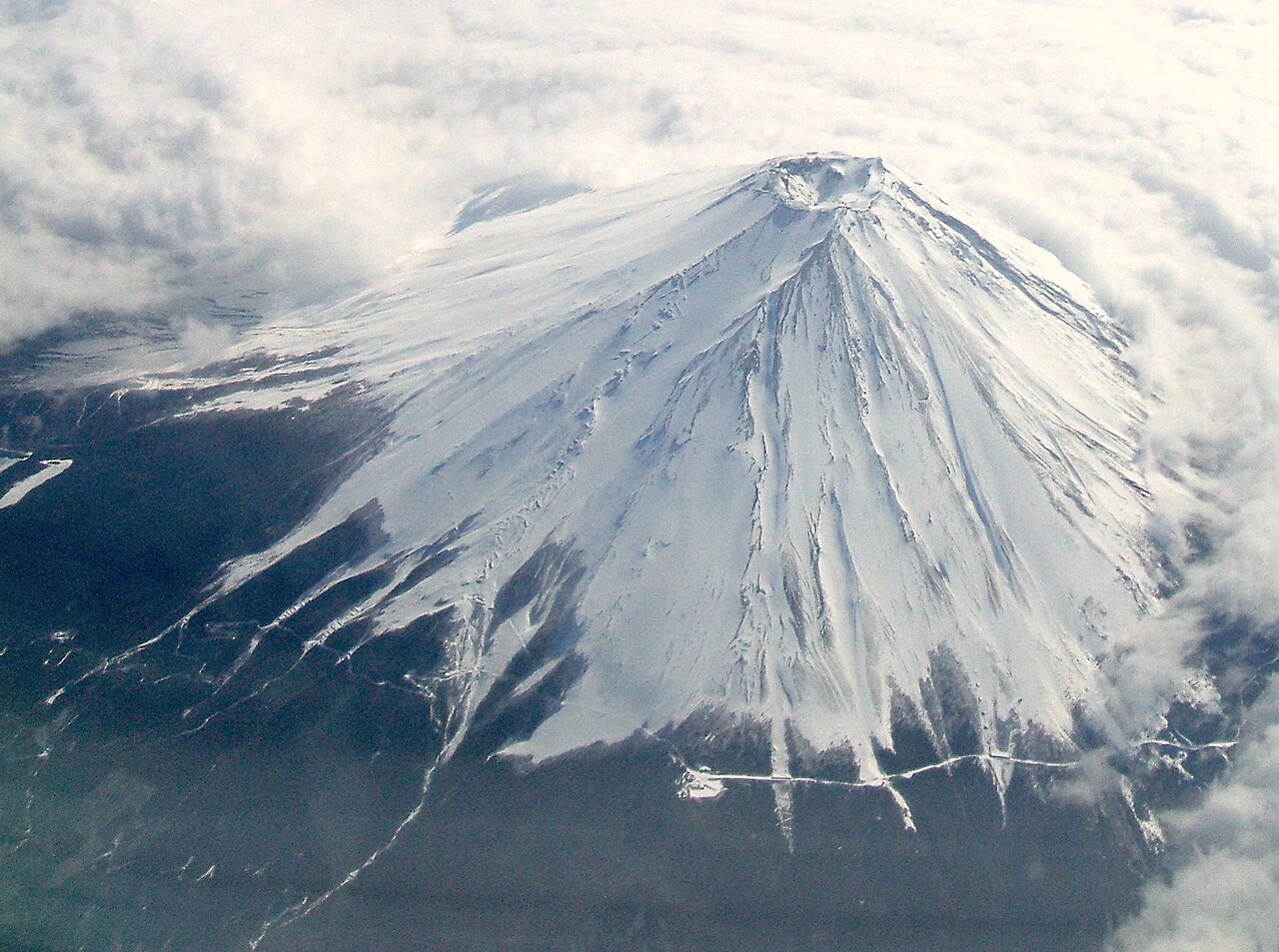

Aircraft, occupants and route
The manifest carried 113 passengers and 11 crew members. The aircraft was a four‑engine jet typical of international services of the era. The multi‑stop routing reflected transpacific schedules that linked North America with East Asia and beyond. The crash occurred shortly after departing the Tokyo area for Hong Kong, as the flight passed near Mount Fuji.
Sequence of events and investigation
Eyewitnesses and wreckage distribution indicated an in‑flight breakup rather than a controlled descent. Investigators examined structural components and aerodynamic loading patterns. The official inquiry concluded that the vertical stabilizer and associated structures failed after the airframe was subjected to exceptionally high aerodynamic forces. These loads have been associated with strong mountain wave and clear‑air turbulence conditions that can form downwind of a large peak such as Mount Fuji. Some reports and commentators also noted maintenance and inspection records as potential contributing factors, though the primary finding emphasized overstress and structural failure under turbulent conditions.
Aftermath and significance
The loss of Flight 911 was one of the deadliest civil aviation accidents to occur on Japanese soil and prompted reviews of structural inspection practices, maintenance procedures, and routing policies for flights near known mountain wave regions. Airlines and regulators paid increased attention to the dangers of clear‑air turbulence and to the need for rigorous fatigue and attachment checks on critical control surfaces.
Notable facts
- The accident highlighted how localized atmospheric phenomena can impose unexpected loads on jet airliners.
- It spurred changes in inspection regimes and helped shape modern understanding of mountain‑wave effects on aircraft structures.
- Contemporary summaries and technical analyses of the crash remain available in archival accident reports and aviation studies; see general resources on the aircraft type and accident for further reading via airframe references and accident compilations at national lists.
For route context and historical schedules, refer to material on transpacific services through San Francisco, Honolulu, Fukuoka, Tokyo and connections to Hong Kong. Technical readers interested in aerodynamic causes can consult resources on mountain waves and clear‑air turbulence at specialized aviation and meteorology collections about Mount Fuji and safety analyses accident archives.
This concise account is based on widely reported facts about the March 1966 accident; readers seeking the full investigative record should consult official inquiry documents and archival sources available through national aviation authorities and historical repositories on the aircraft model and on the route.
Questions and answers
Q: What was BOAC Flight 911?
A: BOAC Flight 911 was a Boeing 707 that was flying from San Francisco to Hong Kong, with stopovers at, Honolulu, Fukuoka, and Tokyo.
Q: When did the airplane crash?
A: The airplane crashed on the 5th of March, 1966.
Q: What caused the airplane to crash?
A: The airplane crashed due to faulty maintenance to the vertical stabiliser.
Q: How many people were on board the plane?
A: There were 113 passengers and 11 crew members on board the plane.
Q: What happened to the people on board the plane?
A: All 113 passengers and 11 crew members on board the plane were killed.
Q: Where did the airplane crash?
A: The airplane crashed into Mount Fuji.
Q: How does this accident rank in terms of aviation accidents in Japan?
A: This accident ranks as the 6th worst aviation accident on Japanese soil.
Related articles
Author
AlegsaOnline.com BOAC Flight 911 (1966): Mid-air breakup near Mount Fuji Leandro Alegsa
URL: https://en.alegsaonline.com/art/12447