
Elizabeth Fry: Quaker Reformer and Advocate for Humane Prisons
English Quaker social and prison reformer (1780–1845) known for improving conditions for female prisoners and promoting education, employment, and humane treatment.
Overview
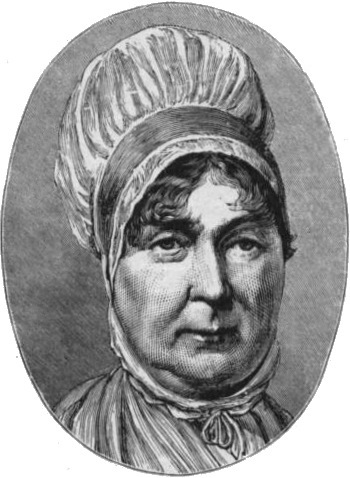
Elizabeth Fry (née Gurney; 21 May 1780 – 12 October 1845) was an English Quaker, social philanthropist and prison reformer often called the "angel of prisons." She became widely known in the early 19th century for campaigning to change the way prisons treated women and children, promoting moral instruction, employment, and basic decency within penal institutions.
Image gallery
5 Images



Background and influences
Born into a prosperous Quaker family, Fry's religious convictions and social conscience guided her work. Her faith emphasized personal responsibility, charity and the equal dignity of all people, which informed her practical attempts to improve harsh detention conditions. For an introductory account of her life see biographical resources.
Reform activities and methods
Fry visited prisons in and around London, including Newgate Prison, where she observed overcrowding, mixed-sex wards and little provision for women and children. She introduced measures that combined practical assistance with moral education: providing clothing and bedding, organizing sewing and other work to occupy prisoners, establishing schools for children, and arranging female visitors to offer instruction and support. She also documented conditions and lobbied officials to adopt humane practices.
Organisation and advocacy
Rather than relying solely on charity, Fry helped mobilize networks of volunteers and supporters. She encouraged women to form visiting groups, pressed for segregation of female prisoners from men, and communicated with magistrates and legislators to press for systemic change. Her work exemplified the wider movement for prison reform in Britain and influenced contemporary debates about punishment and rehabilitation. For context on prison reform movements, see prison reform discussions.
Impact and legacy
Her practical reforms and public testimony contributed to broader awareness of penal conditions and helped shape later improvements in prison administration. Fry's approach combined compassion with organization: she believed in preparing prisoners for life after release through education and work. She remains a notable figure in histories of social reform and Quaker philanthropy; further reading on her religious and philanthropic commitments is available at Quaker sources and studies of social reform here.
- Key emphases: humane treatment, separation of prisoners by sex, education, and employment opportunities.
- Recognition: widely remembered for transforming public attitudes toward women in prison and for inspiring volunteer networks.
Related articles
Author
AlegsaOnline.com Elizabeth Fry: Quaker Reformer and Advocate for Humane Prisons Leandro Alegsa
URL: https://en.alegsaonline.com/art/118319