
Eliot Spitzer
American lawyer and politician; served as New York Attorney General and briefly as Governor of New York; later worked in media. Resigned in 2008 following a personal scandal.
Overview
Eliot Spitzer is an American public figure known for his work as a prosecutor, elected official and media commentator. Trained as a lawyer, he rose to prominence in the early 2000s through high-profile investigations and prosecutions and later served as Governor of New York. His political career was interrupted by a personal scandal that led to his resignation and a subsequent shift into journalism and consulting.
Image gallery
4 Images

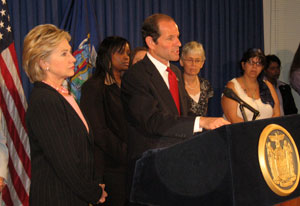

Background and early career
Born in the mid-20th century and educated in law, Spitzer began his career in government and private practice. He became known as an aggressive public prosecutor who pursued corporate misconduct and corruption. Early work in state government and in litigation established his reputation as a tenacious lawyer and attorney, earning attention from voters and civic leaders and setting the stage for a transition into elective office as a politician.
Attorney General: investigations and reputation
As New York State Attorney General, Spitzer led investigations into financial institutions, corporate executives and public officials. He emphasized enforcement of consumer protection laws and financial regulations, pursuing settlements and reforms that drew national notice. His approach combined litigation, regulatory actions and public advocacy, and he was widely associated with a tough stance on white-collar wrongdoing while aligned with the Democratic Party.
Governor of New York and resignation
Spitzer was elected Governor of New York and took office with a platform that emphasized ethics reform and fiscal responsibility. His tenure was short-lived: he resigned in 2008 after revelations about his involvement in a scheme involving paid sexual services. The incident, often described in coverage as a prostitution scandal, prompted his resignation and the succession of his lieutenant governor, David Paterson, who completed the term as Governor of New York. The episode generated broad public discussion about public ethics, privacy and accountability for elected officials.
Media work and later activities
After leaving elected office, Spitzer moved into media and commentary. He appeared as a commentator and hosted programs for cable news networks, engaging in public debates and interviews. One program combined him with a conservative co-host and later aired in revised formats before being canceled. Beyond television, he has been involved in consulting, speaking and occasional public commentary on legal and political matters.
Legacy and notable points
Spitzer's career illustrates several recurring themes in modern public life: the rise of prosecutors to national prominence, the intersection of legal enforcement and politics, and the rapid shifts that scandals can produce in public careers. He is remembered both for aggressive consumer and financial enforcement as Attorney General and for the circumstances that ended his gubernatorial service. Discussions of his impact often contrast his policy achievements with the personal conduct that prompted his resignation.
Further reading and context
- Major investigations and settlements led while Attorney General provide context for his legal approach; see commentary and analysis in contemporary news coverage (governor related reporting).
- Studies of political accountability and media coverage examine how scandals influence careers and public perception; relevant accounts often cite the transition from public office to media work as part of a broader pattern.
For additional information on specific episodes of his career, contemporary news archives and legal analyses provide detailed timelines and documentation of investigations, elections and post-office activities.
Related articles
Author
AlegsaOnline.com Eliot Spitzer Leandro Alegsa
URL: https://en.alegsaonline.com/art/118292
Sources
- mediadecoder.blogs.nytimes.com : "CNN Cancels In the Arena with Eliot Spitzer by Brian Stelter"