
Élisée Reclus: French Geographer and Anarchist Thinker
French geographer and anarchist (1830–1905) who combined scientific geography with social critique, authored major multi-volume works, and influenced modern human geography and radical political thought.
Élisée Reclus (1830–1905) was a French scholar who built a reputation as both a systematic geographer and a public intellectual associated with anarchist ideas. He sought to understand landscapes, peoples and economies as interconnected processes and to explain geography in language aimed at both specialists and the general public. He is often described in the literature as a geographer and as a thinker engaged with radical social causes, sometimes summarized under the label anarchist.
Image gallery
5 Images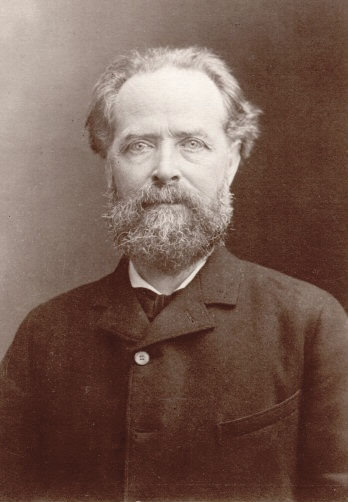


Life and career
Born in 1830, Reclus trained in natural sciences and travelled widely. Over several decades he worked as a teacher, researcher and prolific writer. His activity combined field observation, synthesis of published reports and a talent for clear, evocative description. Reclus published in French and addressed contemporary debates about industrialization, urban life and the role of the state.
Major works and themes
Reclus produced notable multi-volume projects that attempted a comprehensive survey of the world and of humanity's relationship with nature. Among his best-known efforts are a long multi-volume geographical synthesis published in the later 19th century and a later work that explores human societies in relation to their environments. His texts emphasize the unity of natural and social processes, the importance of local detail, and an ethical concern for human freedom and well‑being.
Common themes in his writing include the dignity of everyday places, the ecological interdependence of regions, and a critique of centralized power that he believed distorted economic and social life. He combined descriptive geography with moral and political commentary, arguing that maps and regional studies should inform humane social policies.
Reclus's style and approach helped shape the emergence of modern human geography: scholars credit him with popularizing a broad, integrative view of landscapes and societies. His work was influential among reformers, naturalists and radicals in Europe and beyond, and it continues to be read in studies of environmental thought and political geography.
While he remains best known for his major publications and for bridging scientific and political concerns, Reclus is also remembered as a communicator who sought to make complex geographical knowledge accessible to a wide readership and to connect that knowledge with questions of justice and liberty.
Related articles
Author
AlegsaOnline.com Élisée Reclus: French Geographer and Anarchist Thinker Leandro Alegsa
URL: https://en.alegsaonline.com/art/118295