
Edwy (Eadwig) — King of England, 955–959
Edwy (also Eadwig), nicknamed All‑Fair, ruled parts of England 955–959. His brief reign saw family and church disputes, a north–south split of royal authority, and his early death leading to Edgar's succession.
Edwy, often written Eadwig and known in later sources as "All‑Fair," was born around 940–941 and reigned as King of England from 955 until his death on 1 October 959. He was the eldest son of King Edmund I and Elgiva, and he was chosen to succeed his uncle Edred. Contemporary records and later chroniclers present a short, troubled reign that has attracted attention because of its political and ecclesiastical conflicts.
Image gallery
6 Images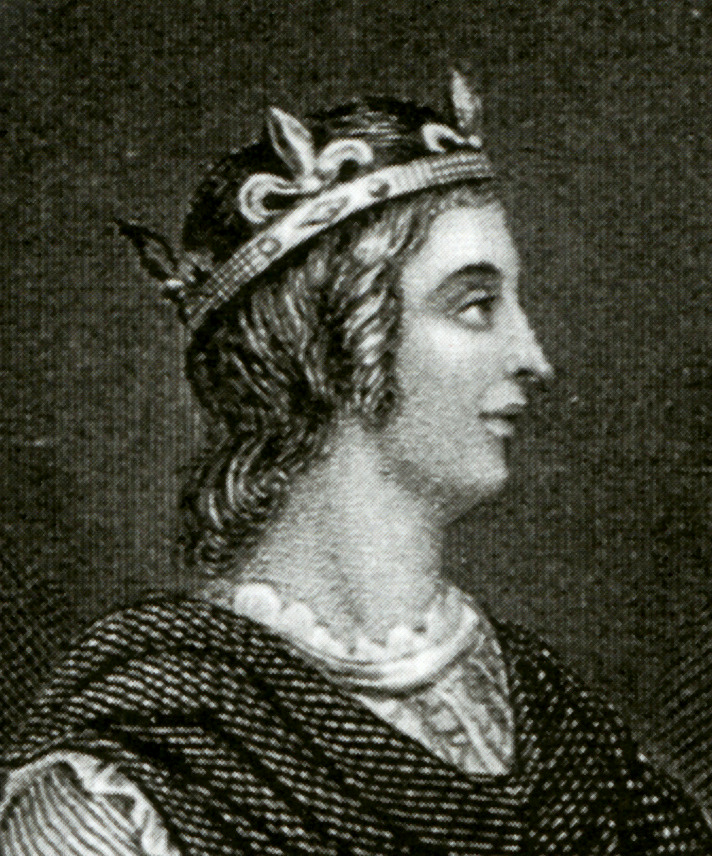


Reign and political situation
Edwy's accession took place against a background of competing noble interests and regional power centers. His rule encountered resistance from leading magnates in Mercia and Northumbria, and within a few years an effective division of royal authority emerged: Edwy retained control of the southern kingdom while his younger brother Edgar was recognized as ruler in parts of the north. This north–south split highlights the fragility of centralized rule in mid‑10th century England and the importance of noble support for a king's authority.
Controversies and church relations
Church leaders played a major role in shaping Edwy's reputation. His conduct at court and his marriage arrangements led to a public break with prominent clerics. The reforming monk and later saint Dunstan and figures such as Archbishop Odo clashed with the king; later accounts describe excommunication and his temporary loss of authority in some regions. Historians caution that many narrative sources were written by ecclesiastical authors with their own agendas, so reconstructions blend recorded incidents with interpretive emphasis.
Key events
- 955: Coronation and establishment as king following Edred's death.
- Mid‑950s: Growing opposition among nobles and leading clerics.
- Circa 957: Emergence of Edgar as rival ruler in the north.
- 959: Death of Edwy and reunification of the kingdom under Edgar.
Edwy died aged about eighteen or nineteen. His early death brought an end to the division of royal authority when his brother Edgar became sole king and oversaw a period of consolidation. Modern scholarship treats Edwy's reign as an episode that illustrates tensions between royal prerogative, aristocratic power, and the reforming church rather than a simple moral tale. For further reading on the period and principal actors see introductions to mid‑10th century English kingship and ecclesiastical reform (overview, Dunstan, Odo).
Related articles
Author
AlegsaOnline.com Edwy (Eadwig) — King of England, 955–959 Leandro Alegsa
URL: https://en.alegsaonline.com/art/118185