
Saint Dunstan (c.909–988): Archbishop, Reformer and Patron Saint
Anglo-Saxon monk and Archbishop of Canterbury (960–988), a leading church reformer, royal counsellor and the subject of many legends linking him with metalworking and encounters with the Devil.
Saint Dunstan (c. 909–19 May 988) was an influential English churchman who served as Archbishop of Canterbury from 960 until his death. Trained as a monk and skilled in metalwork and the arts, he became a leading figure in the tenth‑century revival of monastic life and a close adviser to the kings of England. He is also remembered in a rich body of hagiography and popular tales.
Image gallery
8 Images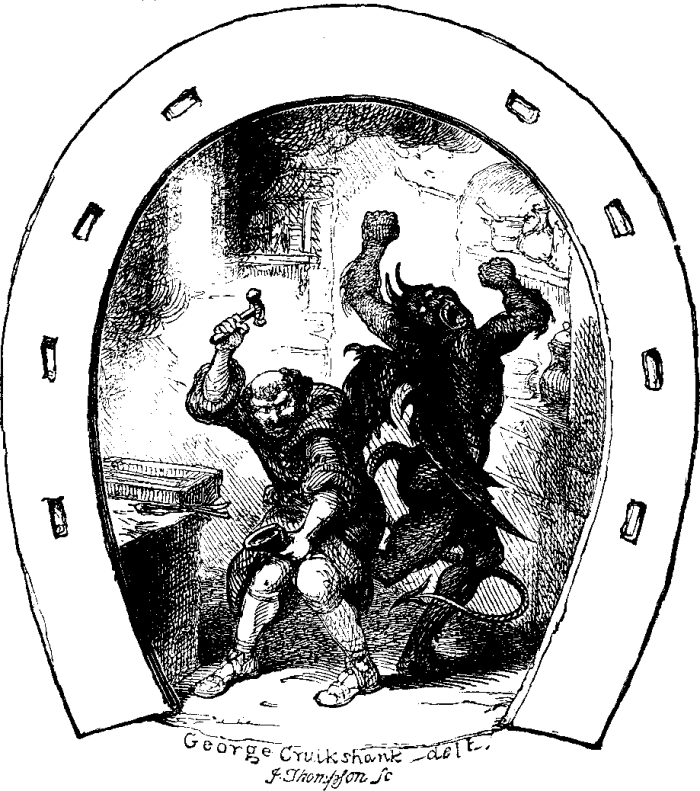



Life and career
Dunstan rose through monastic ranks to lead important religious houses and finally the see of Canterbury. As archbishop he worked to strengthen clerical discipline, promote the Benedictine rule, and improve ecclesiastical learning and liturgy. He intervened in royal politics, acted as counsellor to several kings, and played a role in ceremonies that helped consolidate royal authority during a formative period of the English kingdom.
Legend, craft and iconography
Beyond his administrative and spiritual duties, Dunstan acquired a reputation as a skilled goldsmith and craftsman. Many later stories depict him using tongs and a horseshoe to thwart the Devil, episodes that became a favored element of his legend and contributed to his depiction in art. These popular tales survive in collections of saints' lives and folklore and are often cited when discussing the colorful traditions surrounding his name; see accounts of his dealings with the Devil for examples (legends of Dunstan).
Reform and legacy
Dunstan is widely credited with advancing the tenth‑century monastic or Benedictine reform in England: restoring observance, founding or reforming monasteries, and encouraging clerical education. His influence extended through generations of church leaders and shaped the institutional church that followed. He was formally recognized as a saint in the early eleventh century and his cult grew in England and beyond (canonization and veneration).
Notable facts
- Held the office of Archbishop of Canterbury from 960 to 988.
- Feast day traditionally observed on 19 May.
- Associated with metalworking and popular as the patron of blacksmiths, jewellers and related crafts.
- Remembered both for concrete ecclesiastical reforms and for the vivid folklore that grew up around his life.
Modern scholarship treats Dunstan as a complex figure whose historical achievements and legendary reputation both influenced medieval piety, art, and institutional reform. He remains a prominent example of how sanctity, craftsmanship and political influence could be interwoven in the Anglo‑Saxon church.
Author
AlegsaOnline.com Saint Dunstan (c.909–988): Archbishop, Reformer and Patron Saint Leandro Alegsa
URL: https://en.alegsaonline.com/art/130313