
Edred (Eadred) — King of England, 946–955
Edred (c.923–955), son of Edward the Elder, ruled England from 946 to 955. Devout and physically frail, he maintained West Saxon authority, reasserted control over Northumbria, and relied heavily on bishops and magnates.
Overview
Edred, rendered Eadred in Old English sources, was king of a largely unified England from 946 until his death in 955. A younger son of King Edward the Elder and Edgiva of Kent, he succeeded his brother Edmund I. His reign formed part of the mid-10th-century effort by West Saxon monarchs to sustain the political unity achieved earlier in the century and to manage relations with Norse-ruled areas in the north.
Image gallery
8 Images


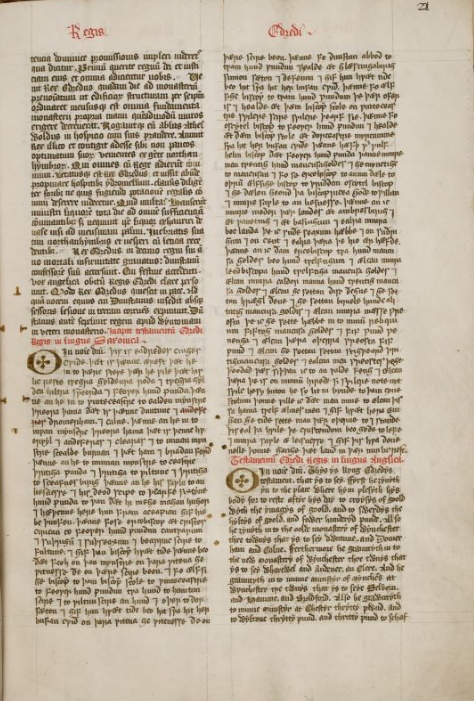
Early life and family
Born about 923, Edred belonged to the royal house descended from Alfred the Great. As a younger son he did not initially stand in line for long-term rule, but dynastic succession among Edward the Elder's sons and the deaths of brothers placed him on the throne. Contemporary chronicles emphasize his piety and his ties to leading churchmen, who would be important supporters during his reign.
Reign and military affairs
Edred is noted for maintaining royal authority across territories that still included Norse-ruled or semi-autonomous areas. He led or sanctioned campaigns and negotiations aimed at reasserting control over parts of the north, and contemporary sources record successes against Norse forces and rulers often grouped under the general term Vikings. His government combined military pressure with diplomatic settlement and the use of local magnates to secure allegiance.
Church, administration and law
Devout and dependent on ecclesiastical support, Edred worked closely with bishops and major monasteries. Churchmen aided royal administration, witnessed charters, and were instrumental in royal justice and record-keeping. Edred confirmed landholdings and privileges, actions that both reinforced royal authority and bound prominent families and ecclesiastical institutions to the crown.
Personal life and health
Medieval writers report that Edred was physically frail and suffered chronic ill health that affected his appetite and strength. Despite these limitations he maintained active rule through the assistance of ealdormen and bishops. He left no known surviving children, and succession passed along dynastic lines to a nephew.
Death, burial and succession
Edred died on 23 November 955 at Frome in Somerset. He was buried in the Old Minster at Winchester, the royal church long associated with West Saxon kings. With no direct heir, the crown passed to his nephew Edwy, continuing the West Saxon royal line.
Assessment and legacy
Although his reign was relatively brief, Edred helped to preserve the unity achieved by his predecessors and to reduce sustained Norse rule in parts of northern England. He is remembered for his piety, his reliance on the institutional church, and his use of established royal institutions to uphold authority. Later rulers built on structures of governance and local administration maintained during his reign.
- Name: Edred (Eadred)
- Reign: 946–955
- Parents: Edward the Elder and Edgiva of Kent
- Death: 23 November 955, Frome, Somerset
- Burial: Old Minster, Winchester
- Successor: Edwy
Questions and answers
Q: Who was King Edred?
A: King Edred was a son of King Edward the Elder and Edgiva of Kent. He was king of England from 946 until his death in 955.
Q: How successful was he against the Vikings?
A: Like both his older brothers, King Edred was very successful against the Vikings.
Q: What is known about his health?
A: It is known that King Edred had very poor health and could barely eat his food.
Q: When did he die?
A: King Edred died on November 23 955.
Q: Where was he buried?
A: He was buried in the Old Minster at Winchester.
Q: Who became king after him?
A: His nephew, King Edwy, became king after him.
Related articles
Author
AlegsaOnline.com Edred (Eadred) — King of England, 946–955 Leandro Alegsa
URL: https://en.alegsaonline.com/art/118113