
Edwin Starr — American soul singer best known for "War"
Edwin Starr (1942–2003) was an American soul and R&B singer best known for the anti‑war anthem "War". He recorded for Ric-Tic and Motown and influenced funk and political soul in the late 1960s–1970s.
Edwin Starr was an American soul, R&B and funk singer-songwriter whose forceful voice and socially charged material made him a distinctive figure in late 1960s and early 1970s popular music. Born in 1942 and raised in the industrial Midwest, Starr rose from regional R&B charts to international prominence with a string of singles and a career that bridged club soul and political pop.
Image gallery
1 Image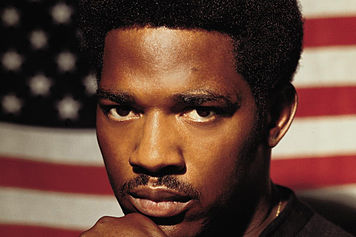
Early life and rise
Starr was born in Nashville and brought up in Cleveland, where local gospel and rhythm-and-blues scenes shaped his early musical experience. He began performing in the 1950s and first found commercial success on the Detroit-area Ric-Tic label before Motown acquired Ric-Tic's roster. His raw, urgent delivery and ability to move between ballads and uptempo funk numbers set him apart from many contemporaries.
Notable recordings and style
Starr's sound combined gritty soul vocals with propulsive rhythms. His best-known recording is the 1970 single "War (What Is It Good For?)", a condensed, hard-hitting rendition of a song originally cut by another group; Starr's solo version became an emblematic protest record and sold over one million copies. Other popular singles included "25 Miles," "Agent Double-O-Soul," and "Stop Her on Sight (SOS)."
Career highlights
- Early hits on Ric-Tic and transition to Motown's Gordy imprint.
- Breakthrough with the single "War," which became a chart and cultural milestone.
- A body of work that influenced later funk and socially conscious soul artists.
Legacy and influence
Starr is remembered for bringing political urgency to mainstream soul without sacrificing dancefloor energy. His recording of "War" remains a touchstone for protest music and has been included in retrospective compilations and anthologies. For detailed listings of his releases and chart history, see discography and career overview. Discussion of his influence appears in many soul and Motown retrospectives (resources).
Later life and death
In later years Starr lived and performed in the United Kingdom and other countries, continuing to tour and record new material. He died in 2003 after suffering a heart attack at his home in Bramcote, near Nottingham. He was 61 and was survived by his wife, Annette Mary Hatcher, his son André Hatcher and grandchildren. Obituaries and memorials appear in a range of press and music reference sites (obituary, tribute, archive).
For interviews, archival performances and further reading about his life and recordings, consult dedicated music history pages and collections (interviews, archive pages).
Related articles
Author
AlegsaOnline.com Edwin Starr — American soul singer best known for "War" Leandro Alegsa
URL: https://en.alegsaonline.com/art/118183
Sources
- independent.co.uk : "Obituary: Edwin Starr"
- discogs.com : Edwin Starr – For Sale @Discogs.com