
Edith Kermit Carow Roosevelt — First Lady, hostess, and Sagamore Hill steward
Second wife of Theodore Roosevelt who served as First Lady (1901–1909), managed White House social life while protecting family privacy, and preserved Sagamore Hill as a presidential home.
Edith Kermit Carow Roosevelt (1861–1948) was the second wife of Theodore Roosevelt and served as First Lady of the United States from 1901 to 1909. A lifelong friend of the Roosevelt family, she combined an insistence on private family life with a clear sense of public duty. During her tenure in the White House she helped shape the social calendar of the presidency while keeping the family’s personal routines largely out of public view.
Image gallery
10 Images
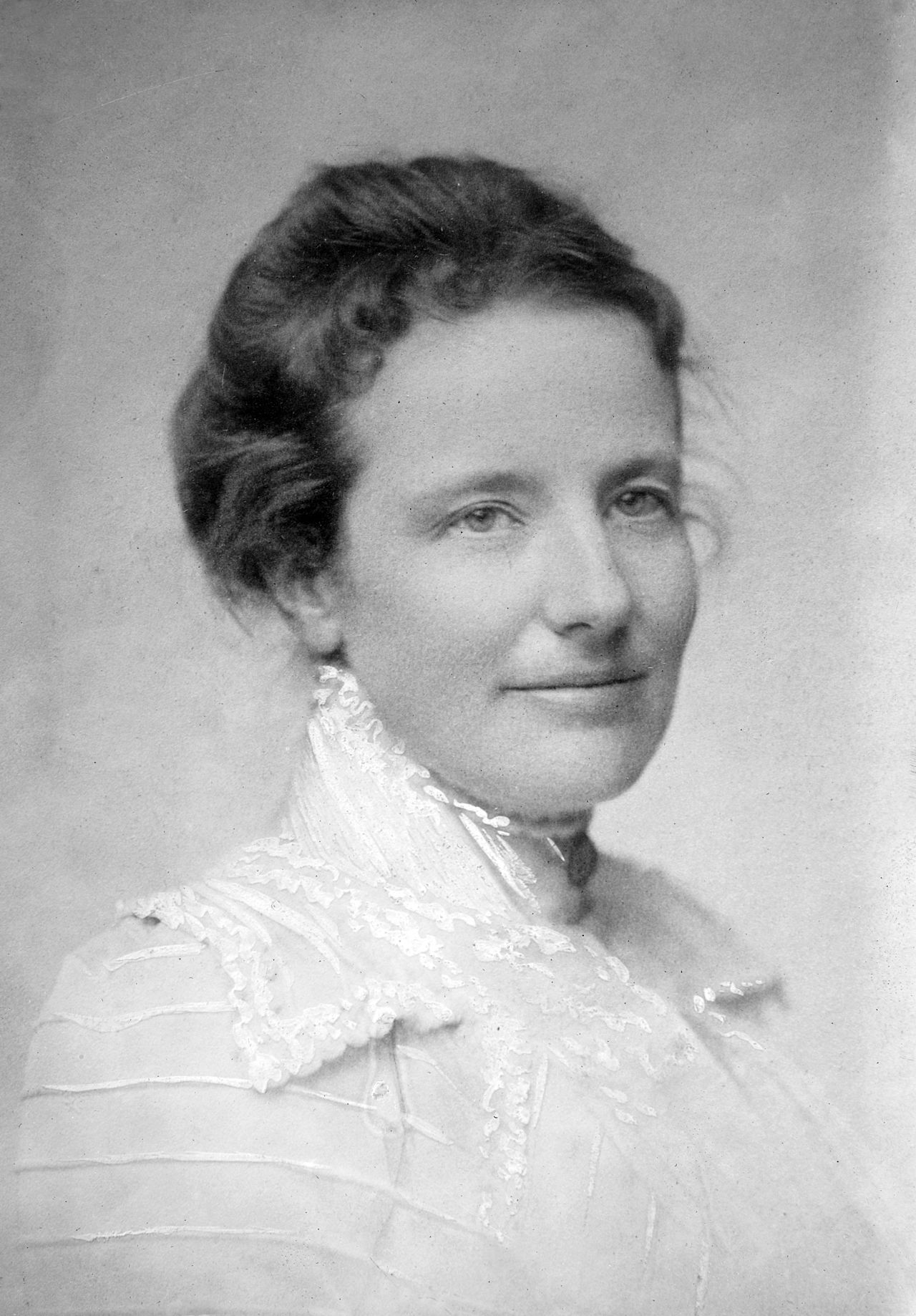


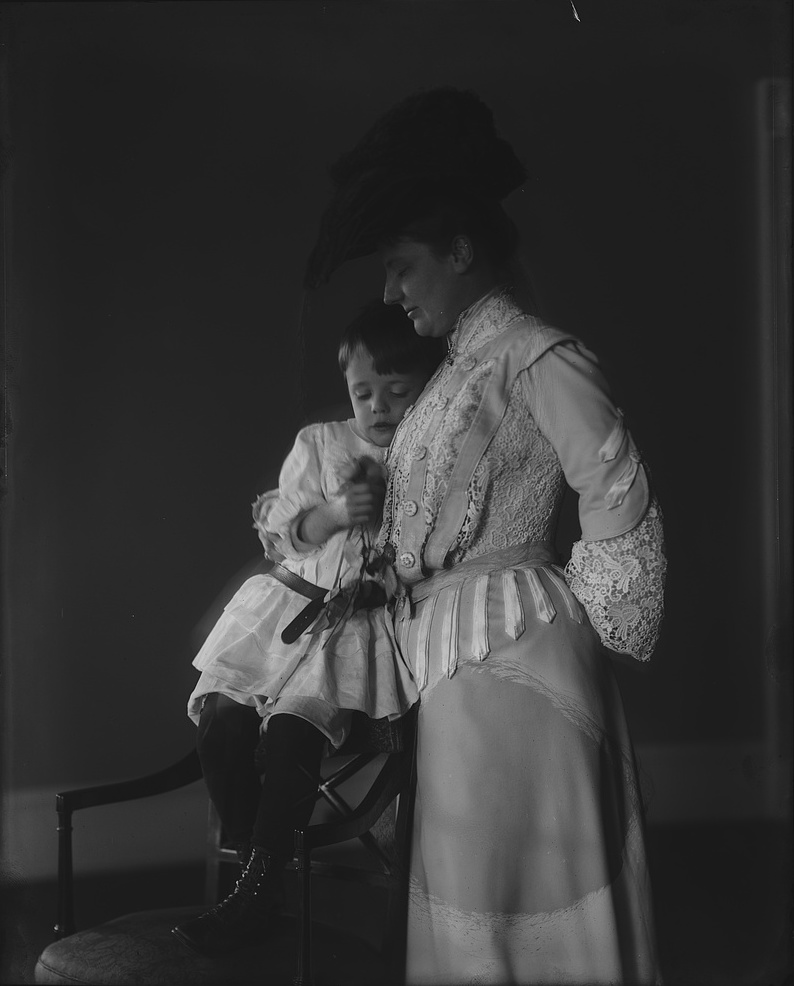
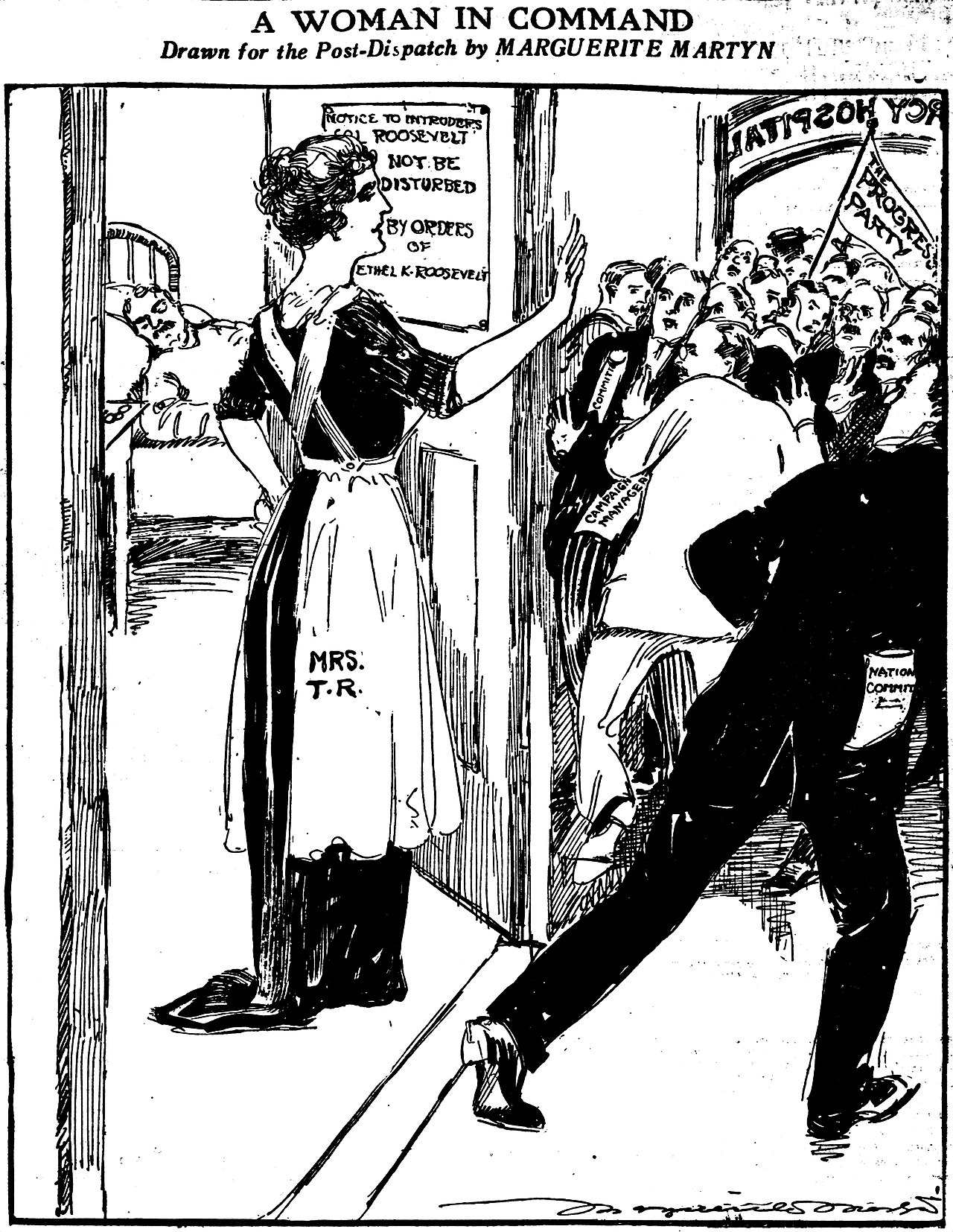


Life and family
Edith Carow was born in Norwich, Connecticut, and spent much of her childhood in New York City. She moved in the same social circle as the Roosevelts and formed an enduring friendship with Theodore’s sister. As children she and members of the Roosevelt family were frequently playmates and neighbors, which set the stage for a closer adult relationship.
She was present when Theodore Roosevelt married his first wife, Alice Hathaway Lee, and later became Theodore’s second wife. Edith and Theodore married in London in December 1886, and made their home at Sagamore Hill in Oyster Bay. The couple raised a large family there; over the next decade Edith and Theodore added five children to the household, and she managed a busy household while supporting her husband’s active political and public life.
Role as First Lady
When Theodore became president following the assassination of William McKinley, Edith assumed the duties of First Lady. She brought order and discretion to life in the White House, hosting receptions and official events while guarding the family’s privacy and shielding their children from excessive public exposure. She is remembered for preserving a balance between the institution’s public ceremonial role and the need for a private family sphere (privacy).
Edith was known for organizing social functions with taste and efficiency, for maintaining Sagamore Hill as the Roosevelt family’s principal home, and for acting as a steady domestic influence through turbulent years of national and personal change. Her management of household affairs and public hospitality made the White House a lively center of social life without turning it into an arena for constant publicity.
Later years and legacy
After Theodore Roosevelt’s death in 1919, Edith largely retreated from public life but continued to travel and to host family gatherings at Sagamore Hill. She briefly re-entered the public sphere in 1932 when she publicly supported President Herbert Hoover in his re-election campaign—an intervention that placed her at odds with segments of her extended family, including relatives who supported other candidates. She lived most of her later years at her home in Oyster Bay, New York (Oyster Bay), and died there on September 30, 1948, at the age of 87.
- Overview: Second wife of a president; First Lady 1901–1909.
- Household and children: Raised five children at Sagamore Hill and stewarded a busy domestic life.
- Public role: Combined active public hosting with protection of family privacy.
- Legacy: Remembered for establishing a model of housekeeping and public hospitality that balanced private family life with presidential responsibilities.
Edith Roosevelt’s life illustrates how a First Lady can influence both the private and public dimensions of the presidency: by maintaining a stable family base, directing household and social affairs, and managing the public image of the presidential household. Her tenure left a quiet but lasting imprint on the role of presidential spouse and on the preservation of Sagamore Hill as a symbol of the Roosevelt family’s domestic life.
Related articles
Author
AlegsaOnline.com Edith Kermit Carow Roosevelt — First Lady, hostess, and Sagamore Hill steward Leandro Alegsa
URL: https://en.alegsaonline.com/art/118084