
Dolores Huerta: Labor leader, organizer, and advocate for farmworkers
Dolores Huerta (born 1930) is an American labor leader and civil‑rights activist who co‑founded the National Farmworkers Association, helped build the United Farm Workers, and championed workers', immigrant, and women's rights.
Dolores Clara Fernandez Huerta (born April 10, 1930) is an American labor leader, community organizer, and civil‑rights activist best known for her half‑century of work on behalf of farmworkers, Latino communities, and women’s political participation. She co‑founded the National Farmworkers Association, which later became the United Farm Workers (UFW), and played a central role in campaigns for collective bargaining, safer working conditions, and greater economic and political power for agricultural laborers.
Image gallery
8 Images


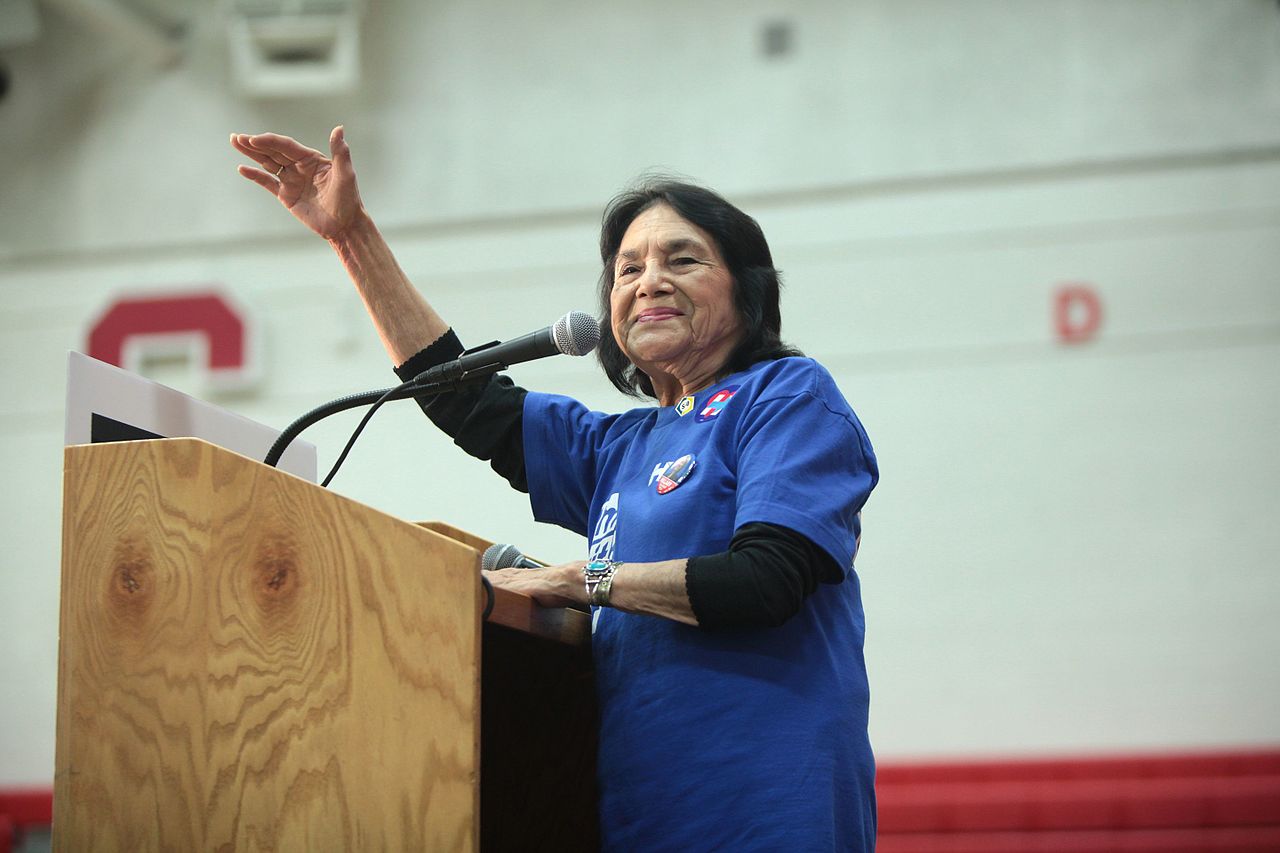


Early life and entry into activism
Huerta was raised in California in a family with ties to agriculture and community life. She trained as a teacher and early in her career shifted from the classroom to grassroots organizing. Her first community work included voter registration drives, advocacy for bilingual education, and efforts to improve housing and social services in rural and immigrant communities. These activities led her to collaborate with other organizers and to take on leadership roles in broader labor and civil‑rights efforts.
Founding the farmworkers movement
In the early 1960s Huerta became a principal organizer in the farmworker movement. Alongside colleagues she helped found the National Farmworkers Association and later worked in the merged United Farm Workers, combining recruitment, negotiation, public education, and direct action to press for change. She was a key strategist in strikes and boycotts that sought contracts, higher wages, and protections against hazardous working conditions, including exposure to pesticides.
Major campaigns and tactics
- Organizing and outreach: Huerta emphasized door‑to‑door contact, community meetings, and empowering workers to lead local committees.
- Nonviolent direct action: She helped coordinate strikes, marches, and demonstrations to draw public attention and support.
- Boycotts and coalition building: National and international boycotts, along with alliances with churches, student groups, and civil‑rights organizations, broadened pressure on growers and retailers.
- Slogan and public messaging: She is widely associated with the Spanish slogan "Sí se puede" ("Yes, we can"), which became a rallying cry for the movement and later entered broader political discourse.
Leadership, negotiating, and later work
Huerta served as a negotiator and spokesperson during high‑profile labor actions and was frequently a visible presence at union events and in the media. After years with the UFW she continued to organize on issues beyond farm labor, including immigrant rights, voter registration, and efforts to increase women’s participation in politics. In later decades she co‑founded and supported community organizations that provide leadership training, civic engagement programs, and support for immigrant families.
Awards, recognition, and legacy
Over many decades Huerta has received numerous honors from labor, civic, and human‑rights organizations in recognition of her community service and advocacy. She has been awarded distinctions such as the Eugene V. Debs Foundation Outstanding American Award and the Presidential Medal of Freedom. Her work has made her a prominent role model in the Latino community and beyond; she has been celebrated in songs, corridos, paintings and public tributes (artistic tributes), and her organizing methods continue to influence younger generations of activists. For archival material and further context on the farmworker movement and civil‑rights organizing, see collections and resources maintained by civil‑rights and labor archives (research collections).
Huerta's life also illustrates the complexities of social movements: her alliances, tactical choices, and leadership have been studied by historians and activists seeking to understand how grassroots campaigns translate into institutional change. Biographical and scholarly works that profile the UFW and 20th‑century labor history offer detailed accounts of the strikes, negotiations, and community campaigns in which she played a leading role (further reading on Chávez and the UFW).
Into her later years Huerta remained active as a speaker, mentor, and organizer, frequently urging voter participation, civic engagement, and continued attention to workers’ rights and immigrant protections. Her combination of community‑based organizing, public advocacy, and coalition building makes her one of the most widely recognized figures in modern American labor and civil‑rights history.
Related articles
Author
AlegsaOnline.com Dolores Huerta: Labor leader, organizer, and advocate for farmworkers Leandro Alegsa
URL: https://en.alegsaonline.com/art/117763
Sources
- nwhm.org : "Biography: Dolores Clara Fernandez Huerta"