
Dominick Dunne: chronicler of crime, society, and high-profile trials
Overview of Dominick Dunne (1925–2009), American writer, journalist, and television commentator known for novels and courtroom reporting on crimes involving the wealthy and powerful.
Overview
Dominick Dunne (October 29, 1925 – August 26, 2009) was an American writer, journalist, producer and occasional actor who became best known for examining crimes, trials and scandals that involved the rich and influential. He combined novel writing, magazine reportage and television commentary to spotlight how power and privilege intersect with the criminal justice system.
Image gallery
1 Image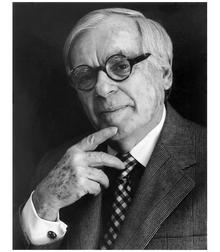
Career and major themes
Beginning his professional life in the entertainment world, Dunne later turned to fiction and nonfiction. He wrote novels that drew on Hollywood settings and social intrigue, and in later decades shifted toward true-crime journalism. His reporting and commentary frequently explored social status, celebrity, and disparities in how justice is administered. He produced a television series, wrote a widely read column on courtroom affairs, and hosted a program titled Dominick Dunne's Power, Privilege, and Justice.
Personal tragedy and turning point
A pivotal moment in Dunne's life was the murder of his daughter, actress Dominique Dunne, in 1982. The public handling of that case and its verdict affected him deeply and helped redirect his work toward chronicling trials and advocating attention to victims and to inequities within legal proceedings. His personal connection to crime and trial coverage lent his writing an intimate, sometimes partisan cast.
Notable coverage and public role
From the 1990s onward Dunne became one of the most recognized voices on celebrity trials, writing regular pieces that interpreted courtroom events for a wide audience and often criticizing perceived leniency or bias. He reported on several high-profile cases and used his platform to interrogate how social prominence shaped outcomes. His style mixed literary sensibility with courtroom detail, making serious legal matters accessible to general readers.
Legacy and distinctions
Dunne left a mixed but unmistakable legacy as a cultural observer who bridged fiction and investigative narrative. He brought sustained public attention to the intersection of crime, class and celebrity and helped popularize the contemporary true-crime column. He was also part of a literary circle that included other notable writers, and his life and work continue to be studied by readers interested in media, law and society.
Further reading
- Selected novels and nonfiction exploring crime and society
- Columns and television pieces on high-profile trials
- Dominick Dunne profile and selected works
Related articles
Author
AlegsaOnline.com Dominick Dunne: chronicler of crime, society, and high-profile trials Leandro Alegsa
URL: https://en.alegsaonline.com/art/117772
Sources
- pqasb.pqarchiver.com : "Dunne's Trials from Hartford to Hollywood to Hadlyme with a Writer Who's Known the Peak of Fame and Despair's Deepest Trough"
- nytimes.com : Dominick Dunne, Chronicler of Crime, Dies at 83, The New York Times, August 26, 2009
- imdb.com : "Dominick Dunne - producer"