
César Chávez: Farmworker Organizer and Nonviolent Labor Leader
César Chávez (1927–1993) was an American farmworker and civil rights leader who co-founded the farm labor movement, led strikes and boycotts for better conditions, and promoted nonviolent social change.
Overview
César Chávez was an American labor leader and civil rights activist who became a central figure in the struggle for farmworkers' rights in the mid-20th century. Born in 1927 and passing in 1993, he helped organize agricultural laborers into a national movement that used strikes, marches and consumer boycotts to press for improved wages and working conditions.
Image gallery
10 Images




Origins and early life
Chávez grew up in a family of migrant farmworkers. Frequent moves, low pay and poor labor protections shaped his later commitment to organizing agricultural labor. Drawing on his cultural background and faith traditions, he adopted a strategy centered on collective action and moral persuasion rather than violence.
Organization and tactics
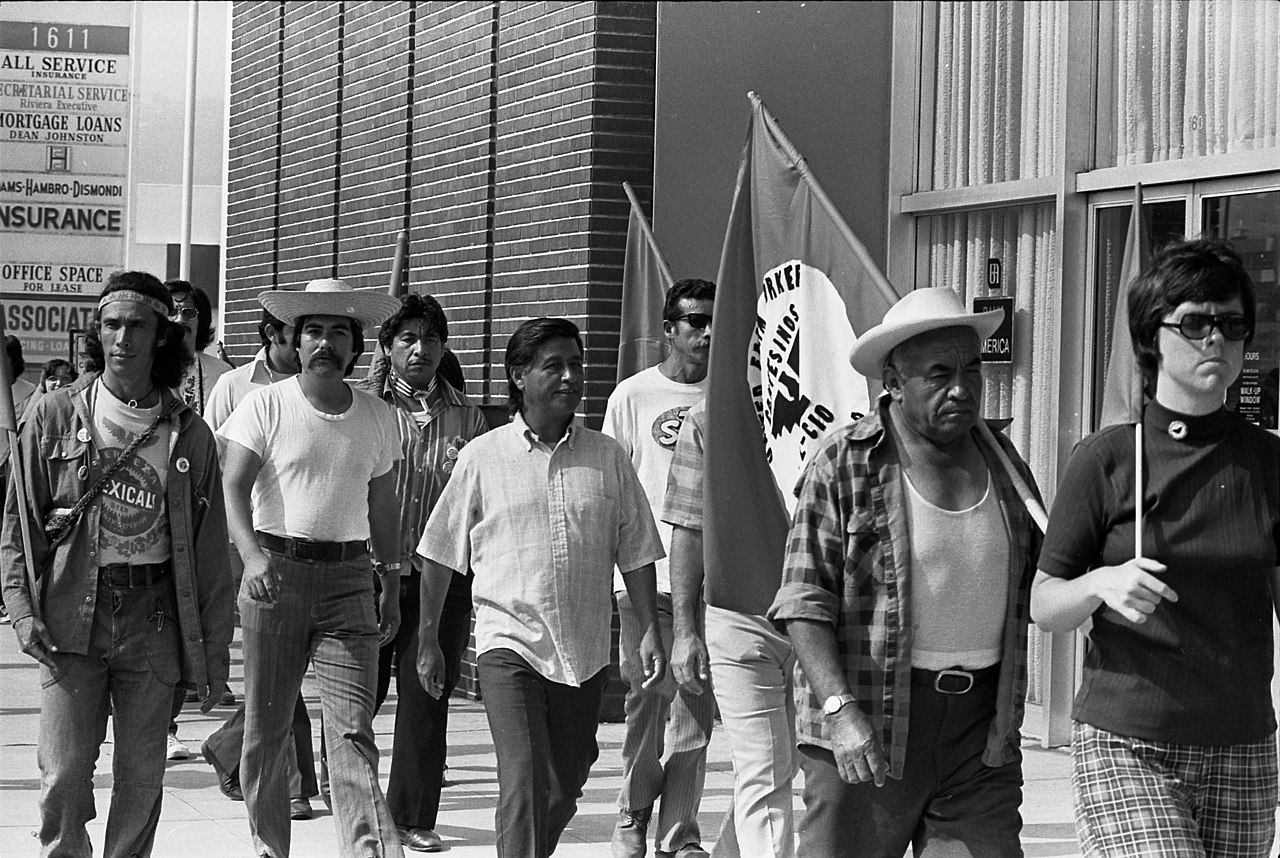
In the early 1960s Chávez co-founded a farmworkers' association with labor activist Dolores Huerta. That organization later evolved into a larger union that negotiated contracts and represented field workers. Chávez became widely known for a long-running grape boycott and related strikes that sought bargaining rights from growers. Supporters used consumer pressure and solidarity actions to amplify workers' demands.
- Collective bargaining and union organizing
- Long marches and public demonstrations
- National consumer boycotts of agricultural products, notably grapes
- Commitment to nonviolence, including symbolic fasting
Impact and legacy
Chávez helped bring national attention to the conditions of Mexican and Mexican American agricultural workers in the United States. His leadership inspired broader Chicano activism and labor reforms, and he is often remembered as a principal leader in the movement for Chicano civil rights. He focused on securing legal recognition, union contracts and safer working conditions for immigrant and low-wage farmworkers, many of whom were of Mexican descent.
Controversies and recognition
While widely admired, Chávez's tactics and the union's internal decisions drew criticism from some labor contemporaries and growers. His supporters praise his moral leadership and practical gains, while critics point to strategic disputes and organizational challenges. Today, his life and work are commemorated in educational programs, public memorials and observances that reflect his role in American labor history.
For further reading on key events, campaigns and figures connected to Chávez's movement see selected resources and archival collections at primary sources and historical summaries at additional overviews about partners and national context.
Questions and answers
Q: Who was Cesar Chavez?
A: Cesar Chavez was an American farmworker, labor leader, and civil rights activist.
Q: What did Cesar Chavez start?
A: Cesar Chavez started the National Farm Workers Association (NFWA) along with Dolores Huerta.
Q: What did Cesar Chavez want?
A: Cesar Chavez wanted equal rights for Mexicans working in the United States.
Q: What did the National Farm Workers Association become?
A: The National Farm Workers Association became the United Farm Workers.
Q: What did Cesar Chavez do to gain rights for workers?
A: Cesar Chavez led a boycott against grape companies to gain rights for workers.
Q: How did Cesar Chavez make the changes he wanted?
A: Cesar Chavez used nonviolence to make the changes he wanted.
Q: What was Cesar Chavez's contribution to the movement for Chicanos to gain more rights?
A: Cesar Chavez is thought of as one of the leaders in the movement for Chicanos to gain more rights in the late-20th century.
Related articles
Author
AlegsaOnline.com César Chávez: Farmworker Organizer and Nonviolent Labor Leader Leandro Alegsa
URL: https://en.alegsaonline.com/art/115815
Sources
- dol.gov : "Hall of Honor Inductee César Chávez"