
Domenico Ghirlandaio (1448–1494) — Florentine Renaissance Painter
Italian Renaissance painter Domenico Ghirlandaio led a prolific Florentine workshop, known for fresco cycles, precise portraiture, and for training Michelangelo. Key works include the Tornabuoni and Sassetti chapel frescoes.
Overview
Domenico di Tommaso Curradi di Doffo Bigordi (commonly known as Domenico Ghirlandaio) was an important Florentine painter of the Italian Renaissance. He was born on 2 June 1448 and died on 11 January 1494. His professional name, Ghirlandaio, became widely used in art history and derives from a family nickname. For pronunciation references see UK pronunciation and US pronunciation. He worked mainly in Florence and produced large fresco cycles, altarpieces and portraits for churches, private chapels and civic patrons during the later 15th century, a period often broadly described as the Renaissance period.
Image gallery
10 Images




Style, subjects and technique
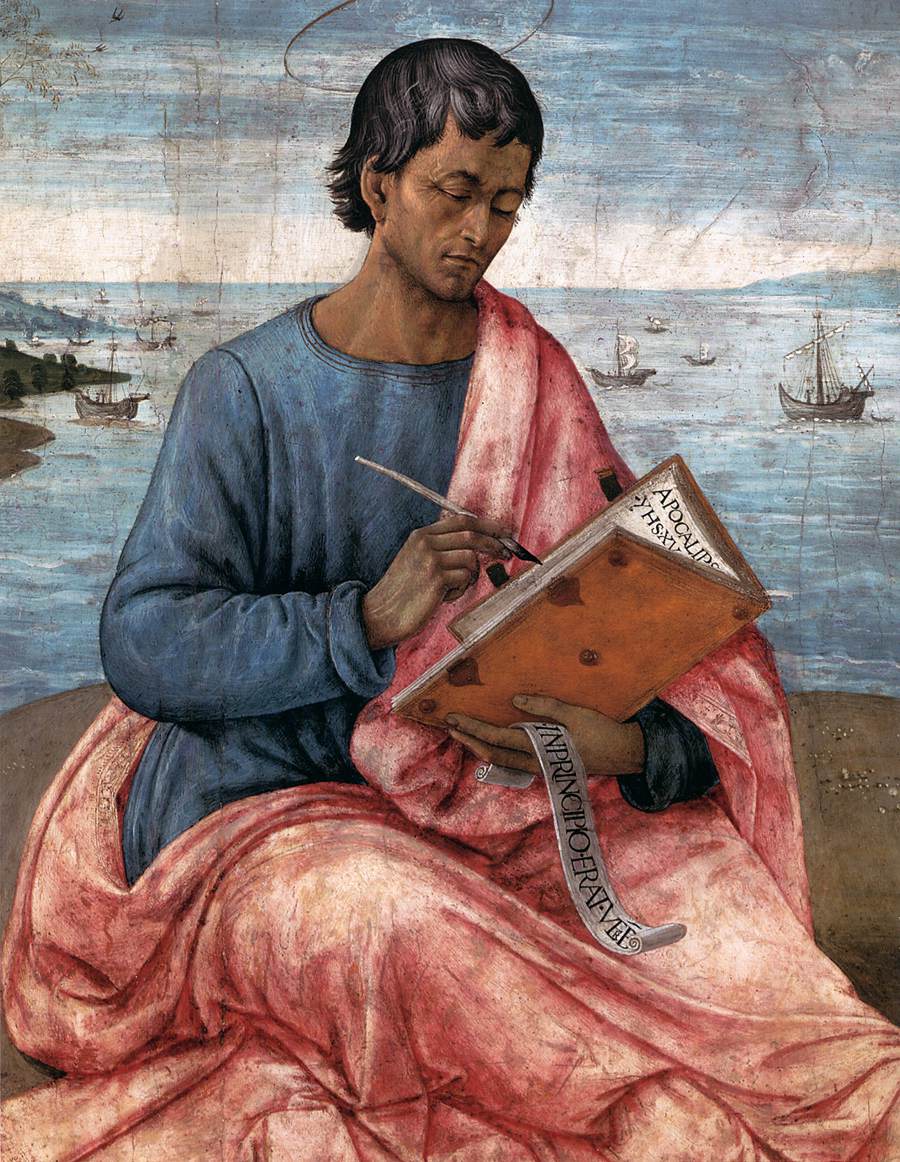
Ghirlandaio combined clear, linear composition with careful observation of faces, clothing and domestic detail. His fresco technique emphasized luminous color, strong contour and easily readable narratives. He often inserted contemporary Florentine citizens into religious scenes, which gives his work documentary value as well as devotional meaning. His figures are characterized by calm dignity, fine costume rendering and attention to architectural setting. He worked in tempera and fresco, and his workshop maintained a steady output for ecclesiastical commissions and private patrons.
Major works and commissions
Between the 1470s and early 1490s Ghirlandaio received important commissions that established his reputation in Florence. Notable projects include:
- The Tornabuoni Chapel fresco cycle in Santa Maria Novella, Florence — a major narrative cycle for a prominent banking family.
- The Sassetti Chapel frescoes in Santa Trinita — scenes combining devotional narrative with portraits of donors.
- Altarpieces and standalone portraits for civic and private chapels, which show his skill as a portrait painter favored by affluent Florentine families and institutions.
His role as a sought-after portraitist for Florence’s elite is well documented; he became a preferred artist for donors and merchants who wanted both likeness and social display in their commissions. He was often engaged to paint for wealthy clients and civic confraternities, and his portrait work contributed to his public standing as a leading portrait painter of the day.
Workshop, collaborators and pupils
Ghirlandaio ran a large and efficient workshop that handled multi-figure fresco cycles and panel commissions. Family members and close collaborators were integral to production: his brothers David and Benedetto Ghirlandaio, and his brother-in-law Sebastiano Mainardi, all worked alongside him. His son Ridolfo later became a recognized painter who carried forward the family name. The workshop combined delegation with careful finishing by Domenico himself, allowing both speed and consistent stylistic identity.
Apprenticeship of Michelangelo and influence
One of the most notable apprentices to pass through Ghirlandaio’s workshop was Michelangelo Buonarroti, who entered Domenico’s studio as a teenager. Michelangelo’s early exposure to fresco technique, compositional clarity and the handling of human figures in a busy workshop environment contributed to his formation as an artist, even though Michelangelo soon developed his own powerful and distinct style. Ghirlandaio’s influence extended beyond individual pupils: his combination of narrative clarity, detailed costume, and integration of contemporary portraiture into sacred scenes influenced other Florentine painters of the late 15th century.
Legacy and distinguishing facts
Ghirlandaio is remembered for the civic and domestic realism he brought to religious painting, for running one of Florence’s most productive workshops, and for bridging generational approaches during the Renaissance. His frescoes remain important visual records of late-Quattrocento Florentine society and dress. For general introductions and pronunciation resources see Florence references, while further background on the wider Renaissance context may be found through period overviews and study guides available from major archives and museum publications (pronunciation guide, regional pronunciation notes). Ghirlandaio’s workshop model and narrative clarity continued to shape Florentine painting into the early 16th century.
Questions and answers
Q: Who was Domenico Ghirlandaio?
A: Domenico Ghirlandaio was an Italian painter who lived during the Renaissance period in Florence.
Q: When was Domenico Ghirlandaio born and when did he die?
A: Domenico Ghirlandaio was born on June 2, 1448, and he died on January 11, 1494.
Q: What was Domenico Ghirlandaio's profession?
A: Domenico Ghirlandaio was a painter by profession.
Q: What was Domenico Ghirlandaio's role in Renaissance art?
A: Domenico Ghirlandaio was an important painter in the time of the Renaissance.
Q: What did Domenico Ghirlandaio do in about 1480?
A: In about 1480, Domenico Ghirlandaio became the official portrait artist for wealthy people in Florence.
Q: Who worked with Domenico Ghirlandaio in his painting workshop?
A: Domenico Ghirlandaio's brothers David Ghirlandaio and Benedetto Ghirlandaio, his brother-in-law Sebastiano Mainardi, and his son Ridolfo Ghirlandaio worked with him in his painting workshop.
Q: Who was Domenico Ghirlandaio's most famous apprentice?
A: Michelangelo Buonarroti was Domenico Ghirlandaio's most famous apprentice, who started learning in his workshop at age 13.
Related articles
Author
AlegsaOnline.com Domenico Ghirlandaio (1448–1494) — Florentine Renaissance Painter Leandro Alegsa
URL: https://en.alegsaonline.com/art/117767