
Diomedes Díaz — Colombian vallenato singer-songwriter (El Cacique de la Junta)
Biography and legacy of Diomedes Díaz (1956–2013), a leading Colombian vallenato singer-songwriter known as “El Cacique de la Junta”, his music, influence, controversies and cultural significance.
Overview
Diomedes de Jesús Díaz Maestre (May 26, 1956 – December 22, 2013) was a Colombian singer, songwriter and composer widely identified with the vallenato tradition. He became popularly known as "El Cacique de la Junta," a nickname reportedly bestowed early in his career by fellow singer Rafael Orozco. Díaz built a decades-long public profile as one of the most recognizable voices of Caribbean Colombia, recording prolifically and developing a devoted fan base across the country and beyond. For a concise profile, see Diomedes Díaz profile.
Image gallery
1 Image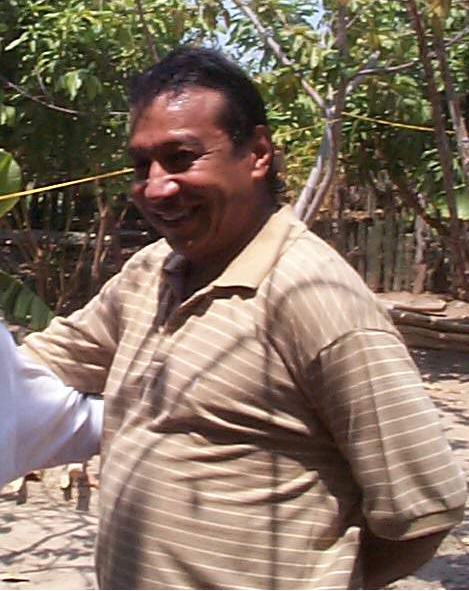
Musical style and themes
Díaz's music is rooted in vallenato, a folk genre from Colombia's Caribbean coast that traditionally features accordion, caja and guacharaca. His songs combined melodic accordion lines with narrative lyrics that addressed love, heartbreak, daily life and regional identities. His vocal delivery and phrasing became a signature element of his recordings and live performances. For context on the genre and instrumentation, consult vallenato resources.
Career and output
Over several decades Díaz released dozens of albums and composed many songs that entered popular circulation. He performed widely at concerts and regional festivals, contributing to the national visibility of vallenato music. Díaz worked with a variety of accompanists and accordionists during his career, a common practice in the genre that highlights the partnership between singer and instrumentalist. A general overview of his discography and public appearances is available at discography and appearances.
Legacy and influence
Diomedes Díaz left a lasting imprint on Colombian popular culture. He is often cited as an influence by later vallenato and popular musicians and remains a reference point for the genre's expressive possibilities. After his death, tributes and commemorations noted both his artistic contributions and his role in expanding the audience for vallenato. Records of posthumous tributes and cultural discussions can be found via tributes and analysis.
Controversies and public life
Alongside his professional success, Díaz's life included periods of legal difficulties and public controversy that shaped how he was discussed in the press. These episodes contributed to a complex public image: celebrated for his music, scrutinized for aspects of his private life. Balanced reporting and legal summaries appear in multiple sources; for one such outline see legal and biographical notes.
Notable facts
- Known as "El Cacique de la Junta" in reference to his place of origin and charismatic stage persona.
- Central figure in late 20th- and early 21st-century vallenato, with wide popular recognition in Colombia.
- Died in Valledupar on December 22, 2013; reports indicated he stopped breathing after his heart failed while he was at home.
Diomedes Díaz's career illustrates how regional musical forms can achieve national prominence through distinctive performance, prolific output and deep popular connection. His music continues to be heard, studied and performed, reflecting both the traditions of vallenato and his personal imprint on the genre.
Related articles
Author
AlegsaOnline.com Diomedes Díaz — Colombian vallenato singer-songwriter (El Cacique de la Junta) Leandro Alegsa
URL: https://en.alegsaonline.com/art/117709
Sources
- noticiascaracol.com : "Murió en Cesar el cantante Diomedes Díaz"
- colombialink.com : "Diomedes Díaz: El Cacique de la Junta."