
Diosdado Macapagal: Ninth President of the Philippines and Reformer
Overview of Diosdado P. Macapagal (1910–1997), his presidency (1961–1965), key reforms including land policy and changing Independence Day to June 12, and his political legacy.
Diosdado P. Macapagal (September 28, 1910 – April 21, 1997) served as the ninth President of the Philippines from 1961 to 1965. He is widely remembered for shifting the country’s official Independence Day from July 4 to June 12, the date associated with Emilio Aguinaldo’s 1898 proclamation of independence. For more on his public profile see Diosdado Macapagal.
Image gallery
10 Images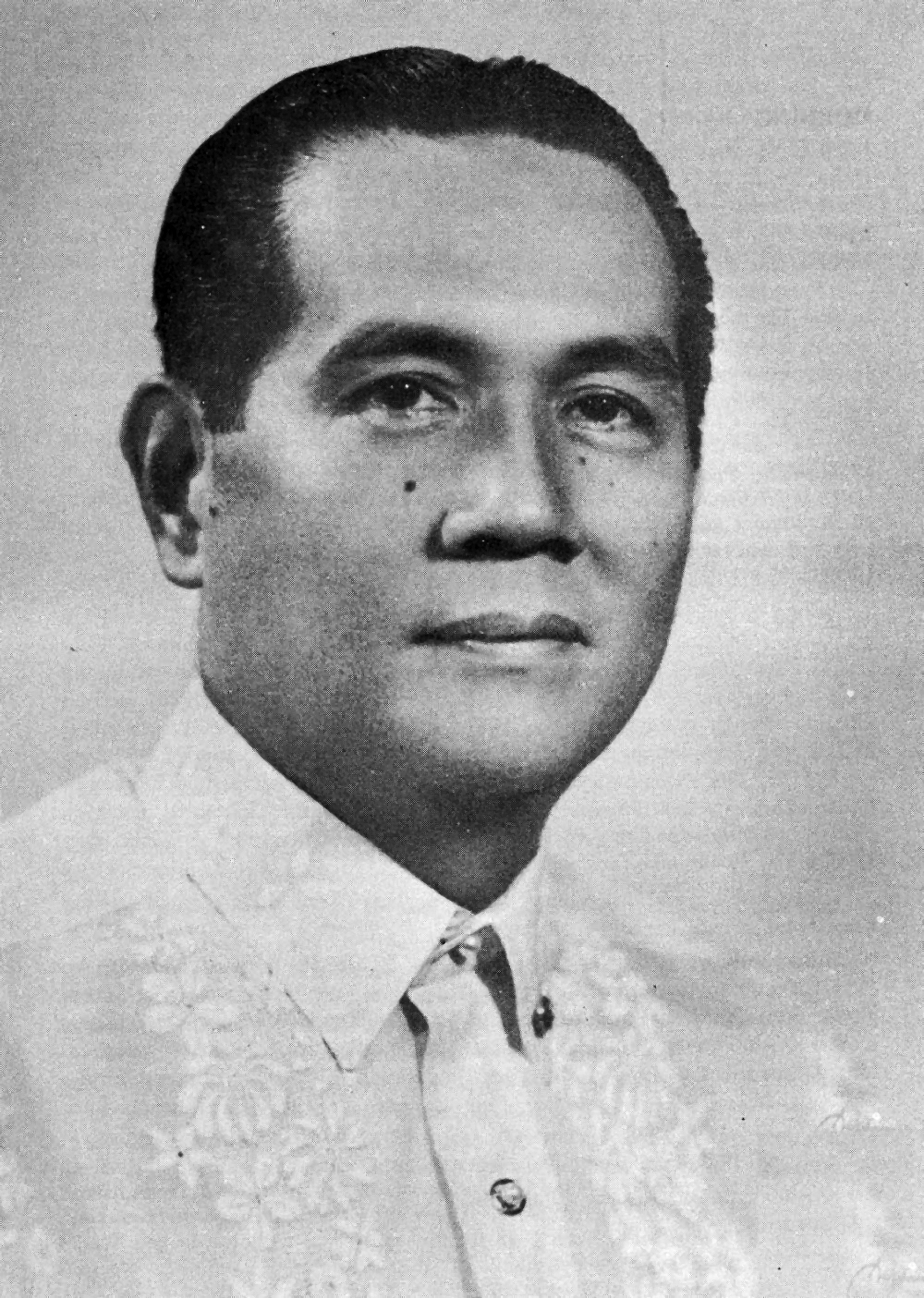


Background and early career
Born in the province of Pampanga, Macapagal trained as a lawyer and entered public service before rising to national office. His legal and administrative experience shaped a pragmatic approach to governance: he often emphasized rule of law, economic management, and measures aimed at improving opportunities for rural communities.
Presidency and major actions
Macapagal’s single presidential term featured a mix of symbolic and policy initiatives. The most visible symbolic act was declaring June 12 the country’s Independence Day to honor the 1898 declaration led by Emilio Aguinaldo and the historic assertion of independence from the Spanish Empire. That change, implemented by his administration, reconnected modern national identity with an earlier moment of Filipino sovereignty and is discussed in context of national commemoration here.
Policy priorities and reforms
His government pursued several domestic reforms intended to broaden economic participation, particularly in agriculture and land tenure. Key efforts included passage of an agricultural land reform measure in the early 1960s, aimed at addressing tenancy and promoting ownership for small farmers. Macapagal also supported trade and fiscal policies designed to stabilize the economy and attract investment.
Legacy and family
Macapagal’s presidency is often viewed through a mix of symbolic leadership and modest structural reforms. He left an imprint on national rituals and agrarian policy that subsequent governments built upon or revised. His political legacy continued through his family: his daughter Gloria Macapagal-Arroyo later served as the fourteenth President of the Philippines.
Notable distinctions
- Changed the national celebration of Independence Day to June 12 to emphasize Filipino-led proclamation of 1898.
- Advanced agricultural land reform aimed at improving tenant rights and land distribution.
- Served a single term (1961–1965) during a period of Cold War geopolitics and domestic development challenges.
Macapagal remains a significant figure in 20th-century Philippine history for linking national symbolism to reformist policy goals and for a family political legacy that extended into the 21st century.
Related articles
Author
AlegsaOnline.com Diosdado Macapagal: Ninth President of the Philippines and Reformer Leandro Alegsa
URL: https://en.alegsaonline.com/art/117714