
Danny Boyle: British Filmmaker, Style, and Major Works
Overview of Danny Boyle — his life, directing style, principal films and TV work, awards, and influence on contemporary British and international cinema.
Danny Boyle is a British film and television director and producer known for energetic visuals, brisk storytelling, and eclectic soundtracks. Born on 20 October 1956 in Radcliffe, Lancashire, he grew up in a working-class, Irish Catholic household and later trained in the arts before entering film and television. Boyle's profile rose rapidly in the 1990s and 2000s with a string of stylistically distinct, commercially successful, and critically acclaimed films.
Image gallery
6 Images
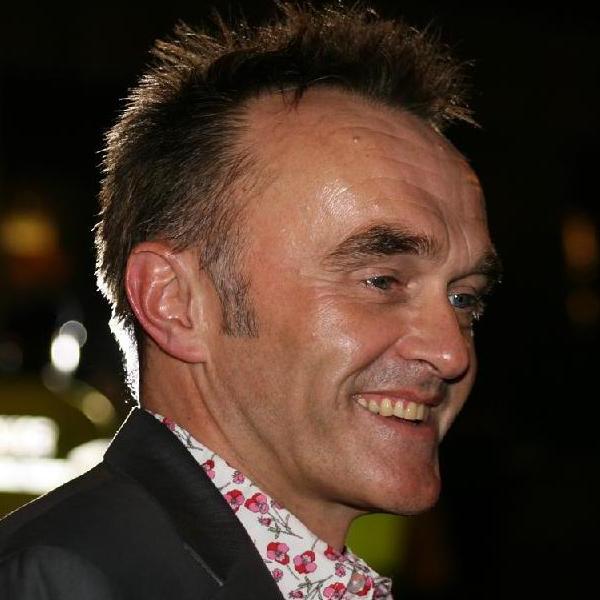
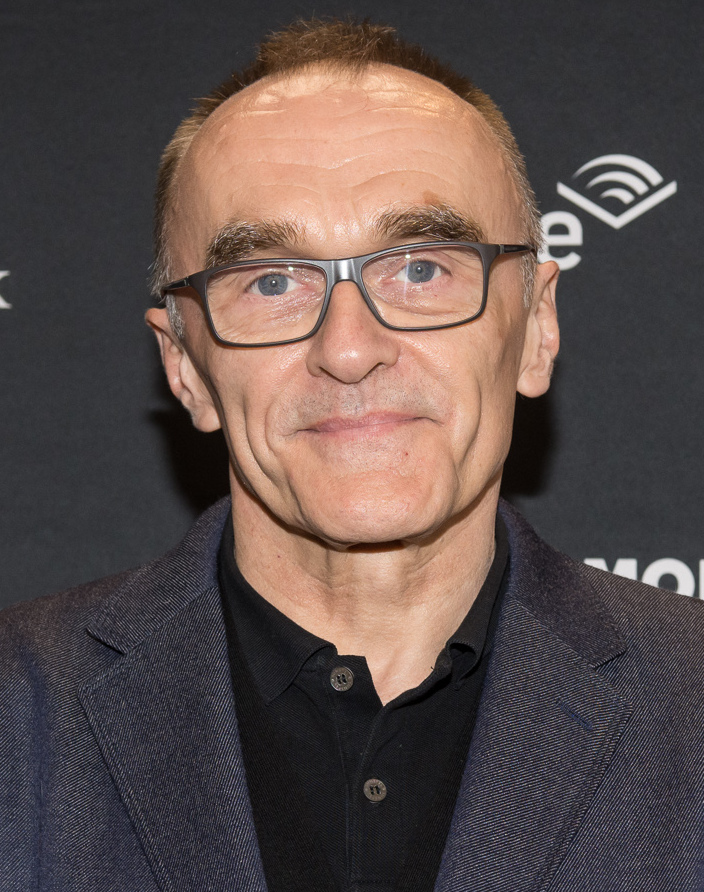


Early life and beginnings
Boyle's formative years in northern England shaped his sensibilities toward working-class characters and social realism. After studying and working in theater and television, he transitioned to cinema, where he established a reputation for inventive camera work, kinetic editing, and bold use of music. He is widely described as both a film director and a director with broader production roles, often credited as a producer on several projects.
Notable films and characteristics
Boyle's breakthrough came with darkly comic and kinetic fare. Early titles such as Shallow Grave and Trainspotting established a voice that mixed grit and style. His later work spans genres — from the romantic fantasy A Life Less Ordinary to apocalyptic horror with 28 Days Later and science fiction like Sunshine. He gained international recognition with Slumdog Millionaire, and continued to explore human endurance in films such as 127 Hours.
- Shallow Grave — early sharp debut
- Trainspotting — cultural landmark
- 28 Days Later — reinvigorated British horror
- Sunshine — philosophical science fiction
- Slumdog Millionaire — international breakout
- 127 Hours — intimate survival drama
Awards, television, and later work
Boyle has received multiple nominations from British and international awarding bodies and has both won and been shortlisted for major prizes. He has been recognized by the BAFTAs and the Academy; his work on Slumdog Millionaire earned widespread awards attention and he has accrued several nominations overall, including mentions at the Academy Awards and BAFTAs. In television he directed the 2018 series Trust, a dramatization of the Getty family kidnapping, demonstrating his facility with longer-form storytelling.
Style, themes, and influence
Boyle's films often combine fast-paced editing, unpredictable tonal shifts, and strong musical choices to heighten emotion and momentum. Recurring themes include class, survival, identity, and redemption. He is credited with helping to bring contemporary British cinema to a wider audience and inspiring a generation of filmmakers to blend mainstream energy with artful experimentation.
For more biographical details and film credits see sources and filmographies linked in authoritative databases and curated archives; his work remains a frequent subject of study in film courses and retrospectives.
Additional references that discuss aspects of his career and background include profiles of his birthplace in Radcliffe, Lancashire, notes on his Irish family roots Irish, and collections that list his films and collaborators. Other resources cover specific movies such as directorial overviews, production notes, and critical reception histories available through film libraries and industry archives (see archives, see production notes).
Boyle continues to direct and produce projects across film, television, and live events, maintaining a profile as one of the most dynamic British filmmakers of his generation.
Related articles
Author
AlegsaOnline.com Danny Boyle: British Filmmaker, Style, and Major Works Leandro Alegsa
URL: https://en.alegsaonline.com/art/117071