
Ciriaco De Mita — Italian politician and former prime minister
Ciriaco De Mita (1928–2022) was an Italian statesman: prime minister in 1988–89, a long-time leader in the Christian Democracy party, later a Member of the European Parliament, and a prominent figure in postwar Italian politics.
Ciriaco De Mita was an Italian politician whose public career spanned several decades of the republic. Born in 1928, he became widely known as a leading figure of the Christian Democracy (Democrazia Cristiana) party and served in many national institutions. His brief tenure as head of government in 1988–1989 marked the high point of a long parliamentary and party career that continued with roles at both national and European level.
Image gallery
5 Images


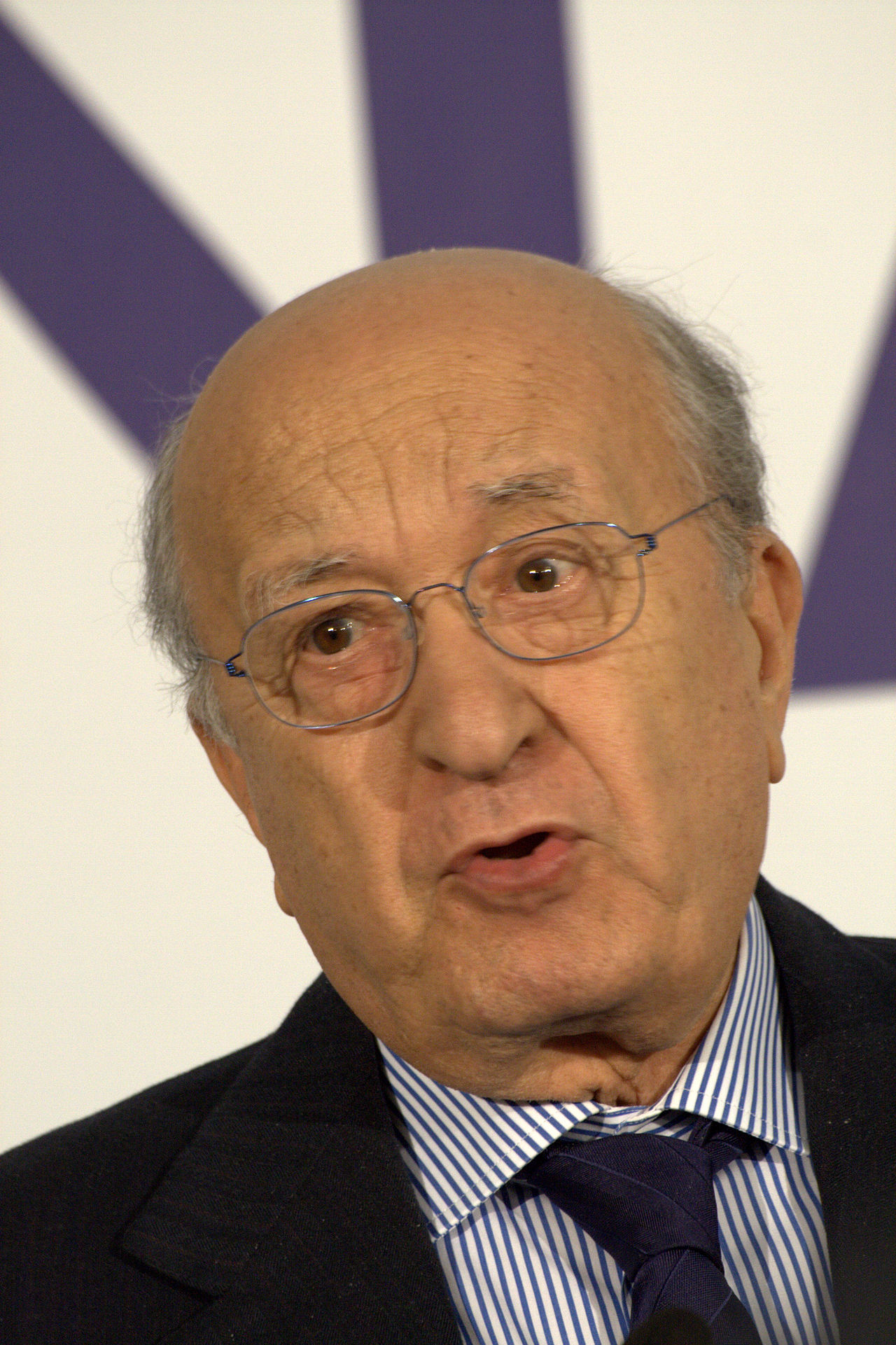

Political career and offices
De Mita held multiple elective and party positions during his life. He was most prominent for serving as Prime Minister (1988–1989), and later represented Italy in the European Parliament as a Member of the European Parliament from 2009 to 2013. Over the years he also occupied ministerial posts and key party offices, becoming an influential voice within the centrist tradition of Italian politics.
Style and political significance
Known for his attention to party organization and parliamentary strategy, De Mita combined regional roots in southern Italy with a national network of relationships. He was often described as a skilled negotiator within coalition governments and as a guardian of his party's institutional role during periods of social and economic change. His influence extended to mentoring younger politicians and shaping internal party debates.
Later life and death
After leaving frontline national government De Mita remained active in public life, engaging in local and national political discussions and serving in the European Parliament. He died on 26 May 2022 at the age of 94 after complications while recovering from surgery for a broken femur following a fall at his Avellino home; reports noted the surgery and recovery process linked to the injury (surgery for a broken femur).
Legacy and evaluation
Assessments of De Mita's legacy emphasize his longevity and the continuity he provided within a party that shaped Italy's postwar order. Historians and commentators point to his role in preserving Christian Democratic influence during a period of political realignment, as well as his impact on regional politics in the south. He remains a reference point in discussions of Italy's late 20th-century governance and party dynamics.
- Key offices: Prime Minister, senior party leader, Member of the European Parliament.
- Political orientation: centrist Christian democratic tradition.
- Notable for: party organization, parliamentary skill, regional influence.
Related articles
Author
AlegsaOnline.com Ciriaco De Mita — Italian politician and former prime minister Leandro Alegsa
URL: https://en.alegsaonline.com/art/116618
Sources
- books.google.com : Heads of States and Governments Since 1945