
Claes Oldenburg — sculptor of oversized everyday objects
Claes Oldenburg (1929–2022) was a Swedish‑born American artist known for Pop Art sculptures that enlarged or softened ordinary objects into monumental public works and soft fabric pieces.
Overview
Claes Oldenburg (January 28, 1929 – July 18, 2022) was a sculptor whose work transformed mundane domestic and commercial items into art through changes of scale, material and site. Born in Stockholm and raised primarily in the United States, he became associated with the Pop Art movement and won wide recognition for both soft sculptures and large outdoor commissions that place everyday objects in public space.
Image gallery
10 Images


Style, materials and themes
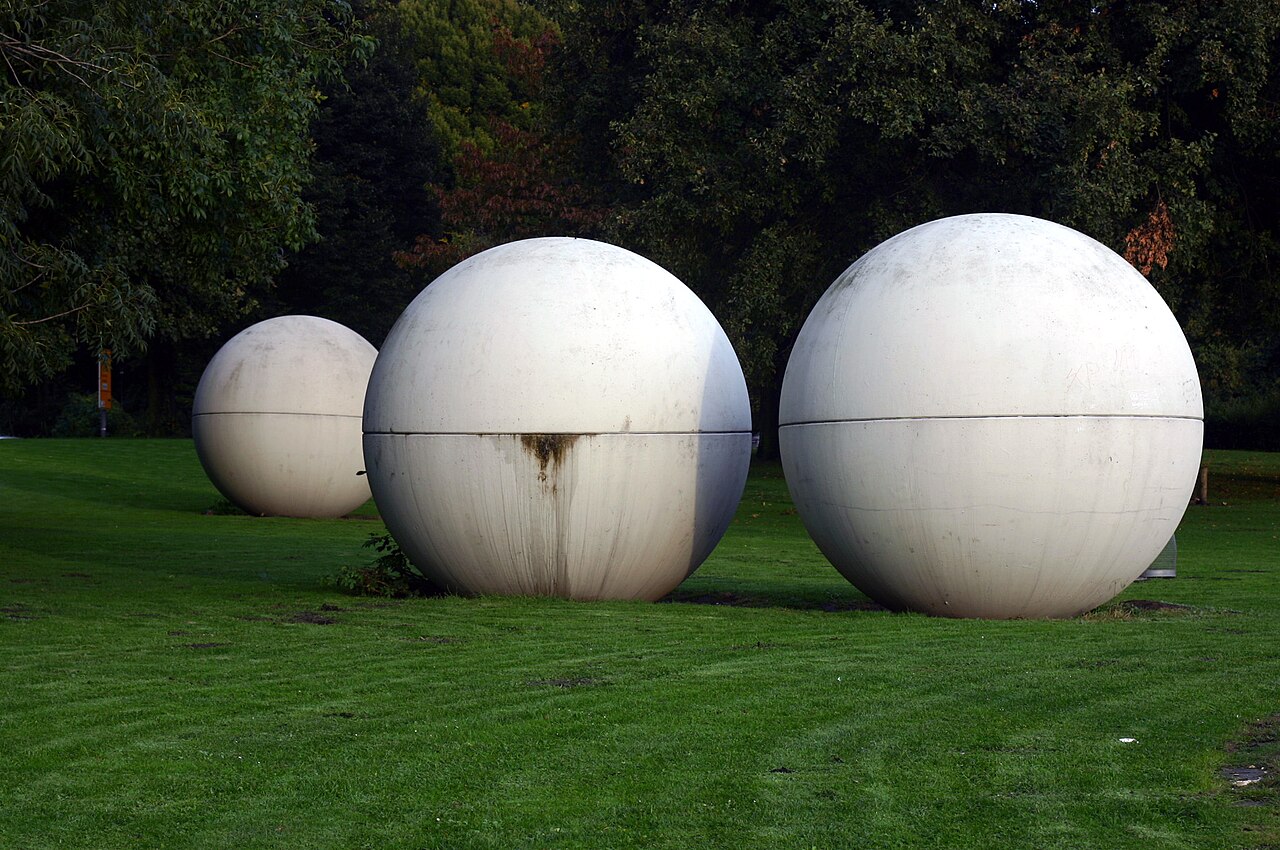
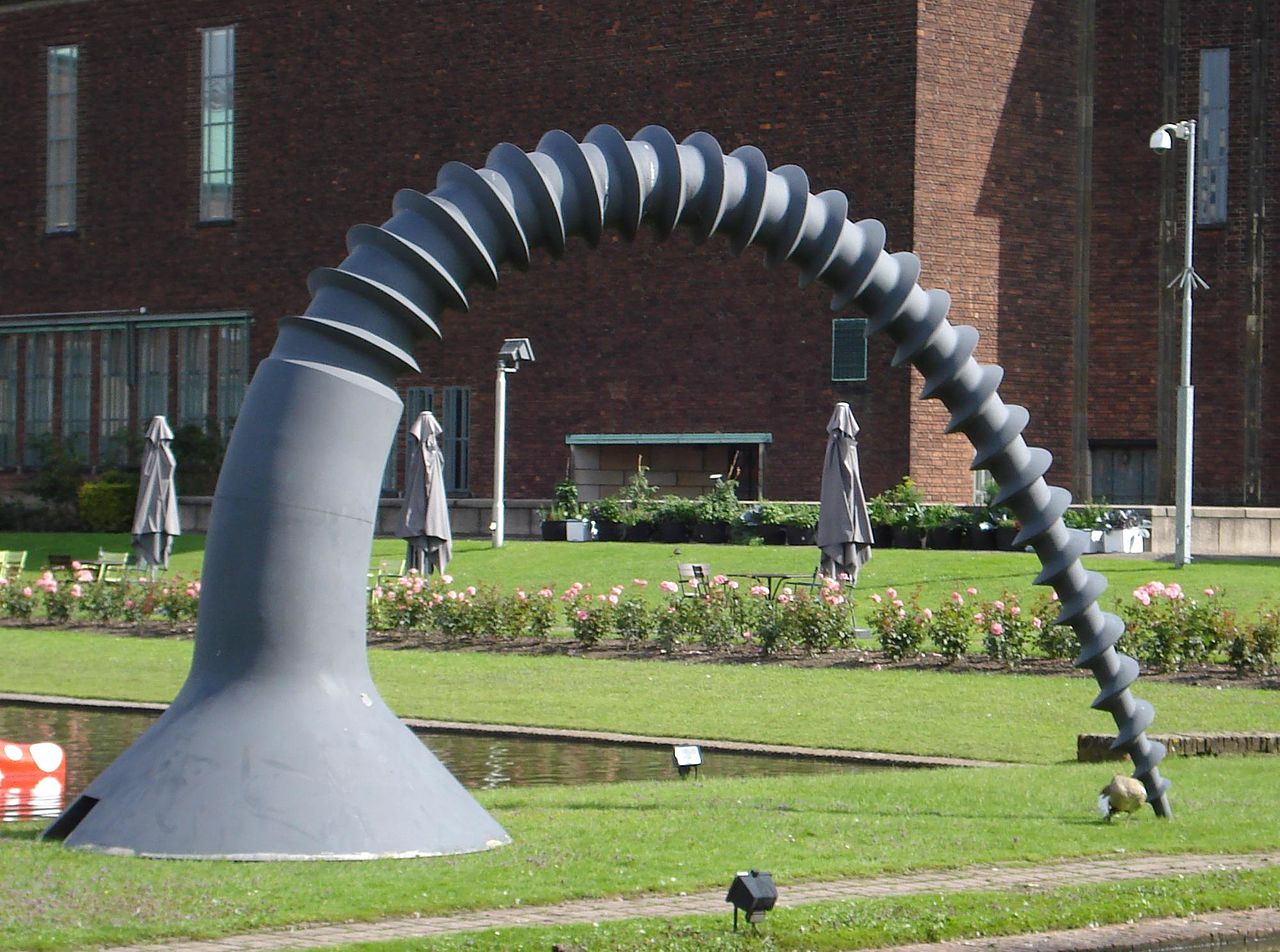
Oldenburg explored the relationship between object, language and environment. He produced soft sculptures—oversized hamburgers, typewriters, and other familiar articles rendered in fabric or vinyl—that emphasized tactility and humor. He also made hard, often monumental sculptures in metal, fiberglass and concrete that extend commercial iconography into civic settings. His work plays with scale, irony and the boundary between fine art and the everyday.
Major works and public commissions
- Spoonbridge and Cherry — a large spoon carrying a cherry, installed in a public garden and widely photographed as an example of playful monumental sculpture.
- Clothespin — a towering pin placed in an urban plaza that recontextualizes a household tool as civic monument.
- Typewriter Eraser, Scale X — an oversized replica of a common office tool, demonstrating his tendency to enlarge and isolate familiar items.
Life, collaboration and influence
Oldenburg lived and worked mainly in Chicago and New York City. From the late 1970s he collaborated extensively with the art historian and sculptor Coosje van Bruggen; their partnership produced many major public works and lasted until her death in 2009. Together and independently, Oldenburg helped bring Pop Art concerns—mass culture, consumer objects and everyday language—into three‑dimensional, public contexts. His approach influenced subsequent generations of artists interested in scale, public art and the use of humor.
Legacy and further resources
Oldenburg's sculptures continue to provoke discussion about the role of public art and the cultural meanings of ordinary objects. His work is held in museum collections and remains a touchstone for studies of Pop Art, urban sculpture and material experimentation. For biographical information, images and museum references see Biography, exhibition records at Museum Catalogues, image galleries at Photo Archives, and scholarly resources at Research Collections.
Related articles
Author
AlegsaOnline.com Claes Oldenburg — sculptor of oversized everyday objects Leandro Alegsa
URL: https://en.alegsaonline.com/art/116622