
Avellino (Campania, Italy)
Avellino is an inland city in southern Italy, capital of its province in the Campania region, known for its Irpinia landscape, wine production, historic center and role as a regional transport hub.
Overview
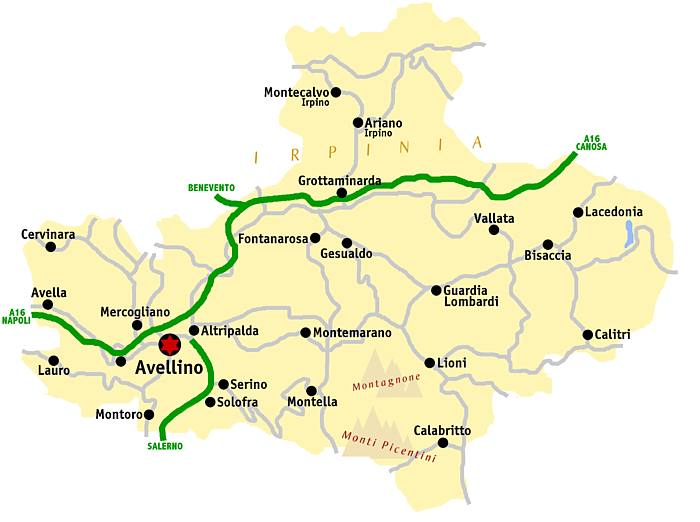
Avellino is a city in southern Italy that serves as the administrative capital of the Province of Avellino. Situated in the inland hills of the Campania region, it forms the core of the historical territory known as Irpinia. The city combines an urban center with surrounding rural areas and acts as a local economic and cultural focal point.
Image gallery
8 Images


Geography and administration
Avellino lies in a hilly zone of the southern Apennines, surrounded by valleys and agricultural land. Its position inland distinguishes it from the nearby coastal cities of Campania and gives it a mountain-influenced climate and landscape. The municipality governs a number of suburbs and smaller communities and is the seat of provincial institutions.
History
The area around Avellino has ancient roots, with settlement and influence stretching back to pre-Roman Italic peoples and later Roman administration. Through the medieval and early modern periods the town experienced the waves of Lombard, Norman and Angevin rule common to southern Italy. In contemporary memory, Avellino and the wider Irpinia region were profoundly affected by the 1980 earthquake, which prompted extensive reconstruction and modernization.
Economy and culture
Local economic activity mixes agriculture, light industry and services. The surrounding countryside is noted for vineyards and other crops; wines from the area, notably Fiano di Avellino, have recognition in Italian wine classification. Cultural life centers on churches, museums, theatres and community festivals; a local football club and civic events contribute to the city’s public identity.
Transport and notable sites
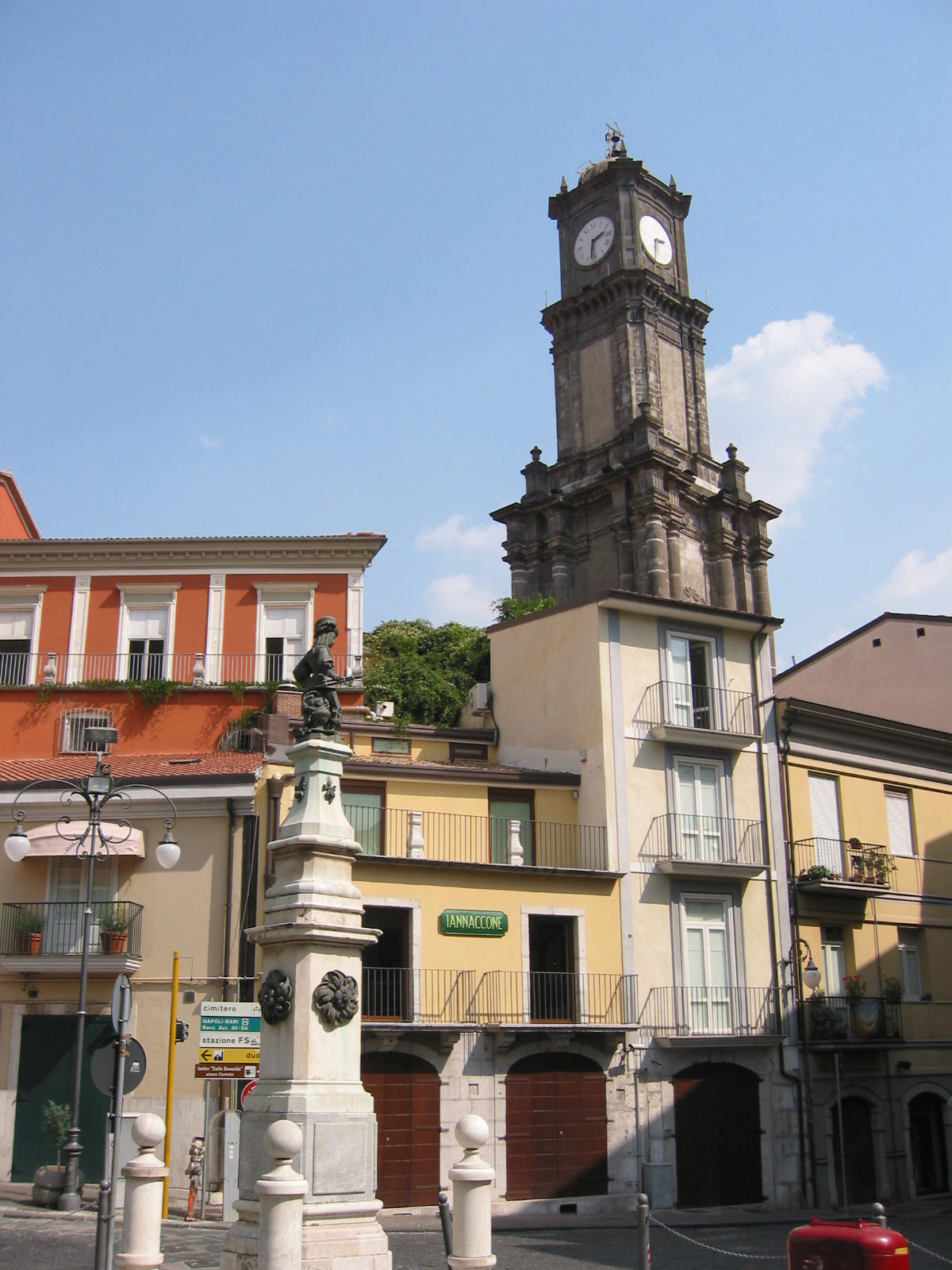
Avellino is connected by regional roads and railway links that tie it to Naples and other regional centers, and it sits near major east–west motorways across southern Italy. Visitors can explore a compact historic center with religious and civic buildings, museums and parks.
- Cathedral and principal churches
- Local archaeological and civic museums
- Regional wine and culinary traditions
As a provincial capital, Avellino combines administrative functions with a regional cultural role, reflecting both its inland, mountainous setting and its place within Campania's diverse landscape.
Related articles
Author
AlegsaOnline.com Avellino (Campania, Italy) Leandro Alegsa
URL: https://en.alegsaonline.com/art/7696