
Charles Haughey: Irish statesman, Fianna Fáil leader and three-time Taoiseach
Overview of Charles J. Haughey (1925–2006), his political career as Fianna Fáil leader and Taoiseach, major offices held, policy impact and the controversies and inquiries that marked his legacy.
Charles James Haughey (16 September 1925 – 13 June 2006) was a leading and controversial figure in Irish politics for more than three decades. A senior member and later leader of Fianna Fáil, he served as Taoiseach on three separate occasions and held a wide range of ministerial portfolios. Haughey's career combined periods of strong political influence and achievement with long-running disputes over finances, patronage and conduct in office.
Image gallery
10 Images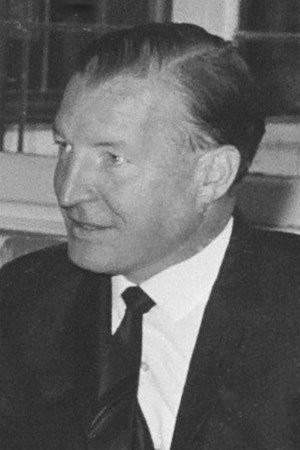


Political career and offices
Haughey entered national politics in the 1950s and remained a Teachta Dála (TD) from 1957 until 1992. He rose quickly through government ranks, serving in successive cabinets and senior posts. His ministerial roles included Justice, Agriculture, Finance, Health and Social Welfare, and he was Minister for the Gaeltacht during his final spell in office. He led his party as Fianna Fáil leader from 1979 to 1992 and was Leader of the Opposition on two occasions when his party was not in government.
- Taoiseach: three terms (1979–1981; March–December 1982; 1987–1992)
- Leader of Fianna Fáil: 1979–1992
- Various ministerial roles across justice, agriculture, finance, health and social welfare
- Teachta Dála (TD): 1957–1992
Policies, style and significance
Haughey was a dominant personality, known for political resilience and an ability to rebuild support after setbacks. His later governments faced difficult economic circumstances and pursued fiscal and administrative measures intended to stabilise public finances and promote growth. Supporters credit him with decisive leadership and pragmatism in managing coalition and minority-parliament dynamics; critics emphasised a centralised leadership style, reliance on patronage and an emphasis on party loyalty.
Controversies and public inquiries
From the late 1980s and increasingly after he left frontline politics, Haughey's reputation became overshadowed by allegations about undeclared financial gifts, payments and the use of party and state resources. Those matters were examined in public inquiries and tribunals. The findings of later investigations damaged his standing with many voters and prompted debate about political ethics, transparency and the accountability of senior office-holders.
Legacy and contested memory
Haughey remains one of the most polarising Irish political figures of the 20th century. Historians and commentators frequently note the contrast between his political skill and the ethical controversies that dogged his career. His time in office shaped public policy and party politics in ways that lasted beyond his resignation, and his life is widely discussed in biographies, contemporary histories and studies of political reform in Ireland.
For an introduction to his party and constitutional role see the pages on Fianna Fáil and the office of Taoiseach. More detailed electoral and parliamentary records are available through resources that document Teachtaí Dála and government composition over the relevant decades (TD records).
Related articles
Author
AlegsaOnline.com Charles Haughey: Irish statesman, Fianna Fáil leader and three-time Taoiseach Leandro Alegsa
URL: https://en.alegsaonline.com/art/116202
Sources
- oireachtas.ie : "Charles J. Haughey"