
Charles Bukowski
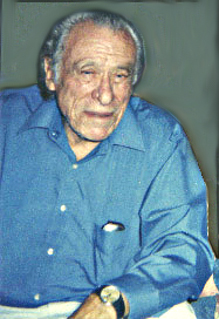
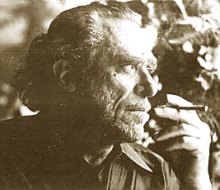
Charles Bukowski (1920–1994) was a German-American poet, novelist, and short‑story writer known for blunt, autobiographical depictions of working‑class life, alcoholism, and Los Angeles' underside.
Overview
Henry Charles Bukowski (born Heinrich Karl Bukowski; August 16, 1920 – March 9, 1994) was a German‑American poet, novelist and short‑story writer. His work is widely recognized for its plainspoken, confessional voice and its focus on the margins of American city life. Bukowski chronicled the routines and struggles of people who worked low‑paying jobs, drank heavily, and negotiated difficult relationships. He wrote in both poetry and prose and cultivated a public image as a hard‑drinking, candid chronicler of the everyday.
Image gallery
5 Images


Style and themes
Bukowski's language is direct, colloquial and often coarse; he favored short lines, plain diction and a conversational tone that rejected literary ornament. Central themes include:
- Work and drudgery: the boredom and indignities of commonplace employment.
- Alcohol and survival: drink as habit, solace and social lubricant.
- Sex and relationships: sometimes tender, often fraught and self‑aware.
- Writing itself: the act of composing as both necessity and compulsion.
Life and development
Born to immigrant parents, Bukowski spent much of his life in Los Angeles, a city that provided recurring settings and atmospheres for his fiction and poems. He worked a variety of menial jobs for many years while publishing in small magazines and presses. His alter ego, Henry Chinaski, appears in several novels and functions as a semi‑autobiographical lens through which Bukowski examined his experience. Over time he gained a devoted following and greater literary visibility, particularly among readers drawn to his unvarnished realism.
Notable works and adaptations
Bukowski wrote many books of poetry and several novels and story collections. Key titles often cited by readers and critics include Post Office, Factotum, Ham on Rye and Women, alongside poetry collections that capture his voice in shorter form. His life and work inspired film adaptations and portrayals; for example, some episodes of his life were dramatized in cinematic treatments that reached broader audiences.
Legacy and critical reception
Critical response to Bukowski has been mixed: admired by many for his authenticity and rhythmic directness, dismissed by others for perceived misogyny or sensationalism. He influenced later writers who favored realism, plain style and autobiographical fiction. Bukowski's image as an outsider and his willingness to depict the underbelly of urban life secured a lasting place for his work in popular and small‑press literary culture.
Further reading
For more information, see general biographical overviews and selected bibliographies: biography and timeline, works and editions, selected poems and excerpts, critical essays, and film and cultural adaptations.
Related articles
Author
AlegsaOnline.com Charles Bukowski Leandro Alegsa
URL: https://en.alegsaonline.com/art/116175
Sources
- doi.org : 10.1353/mfs.2001.0002
- enotes.com : "Charles Bukowski (criticism)"
- dalkeyarchive.com : dalkeyarchive.com/