
Charles Carroll of Carrollton: American Founding Figure and Signer
Charles Carroll of Carrollton (1737–1832) was a wealthy Maryland planter, the only Catholic signer of the Declaration of Independence, a delegate in the Revolution, and a complex figure on slavery.
Overview
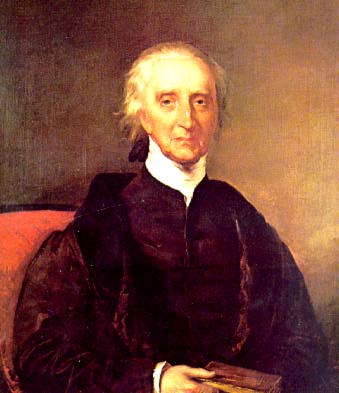
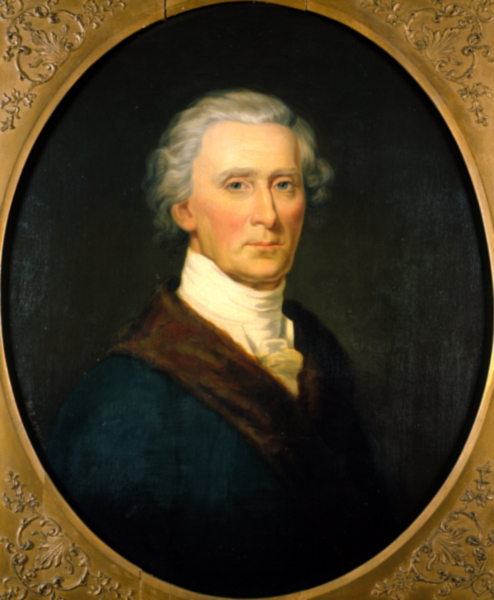
Charles Carroll of Carrollton (September 19, 1737 – November 14, 1832) was a prominent Maryland landowner and political figure during the American Revolution and the early republic. Best known as the only practicing Catholic to sign the Declaration of Independence, he was long-lived and influential, combining considerable private wealth with active public engagement. He served as a delegate to the Continental Congress and took part in the debates that shaped the new nation.
Image gallery
10 Images





Early life and wealth
Born into an established Catholic family in colonial Maryland, Carroll inherited extensive landholdings and a plantation economy. His status gave him both the resources and the social standing to play a public role at a time when Catholics in the colonies faced legal disabilities and social prejudice. He used his fortune to support political causes and to finance aspects of the patriot movement.
Role in the American Revolution
Carroll became active in resistance to British policies and represented his state as a delegate in the Continental Congress. He signed key documents that asserted colonial rights and independence. His participation provided an important example of religious diversity among the Revolution’s leaders and helped broaden the image of who could claim membership in the new republic.
Public service and later life
After independence, Carroll continued in public life at both the state and national levels. He engaged with federal institutions of the new government and remained a respected elder statesman into the 19th century. Although he was not as career-minded as some contemporaries, his wealth and reputation made his opinions influential in Maryland and beyond. He lived to an advanced age, becoming the longest-lived signer of the Declaration and of the Continental Congress.
Views on slavery and personal contradictions
Carroll’s life reflects a common contradiction of his era: he expressed personal opposition to slavery yet remained a slaveholder for much of his life. Historians note that many founding figures publicly condemned the institution while continuing practices that benefitted from it. Carroll’s position illustrates the slow and uneven moral and political shifts that characterized early American emancipation debates.
Legacy and notable facts
- Only Catholic signer of the Declaration of Independence, symbolizing religious pluralism during the Revolution (Declaration, Catholic).
- Representative role in the Continental Congress and ongoing engagement with national institutions such as the United States Senate in public affairs.
- Long life and public memory: Carroll’s longevity and wealth made him a widely recognized figure into the 19th century.
- Connection to Maryland politics and society is remembered in regional histories and monuments (Maryland, Continental Congress).
For further reading on Carroll’s life and the contexts in which he acted, consult scholarly treatments that address the Revolution, religion in early America, and the complex histories of slavery and emancipation in the new United States.
Related articles
Author
AlegsaOnline.com Charles Carroll of Carrollton: American Founding Figure and Signer Leandro Alegsa
URL: https://en.alegsaonline.com/art/116176
Sources
- books.google.com : Catholics in the Old South: Essays on Church and Culture