
Charles-Marie Widor
French organist and composer (1844–1937), author of ten organ symphonies; influential performer and teacher best known for the Toccata from his Symphony No. 5.
Charles-Marie Widor was a leading French organist and composer whose career bridged the late Romantic and early modern eras. Born in Lyon on 21 February 1844 and dying in Paris on 12 March 1937, he became synonymous with the large-scale, orchestral approach to organ composition. Widor wrote a celebrated series of organ "symphonies" and helped define the repertory and pedagogy of the modern French organ school.
Image gallery
2 Images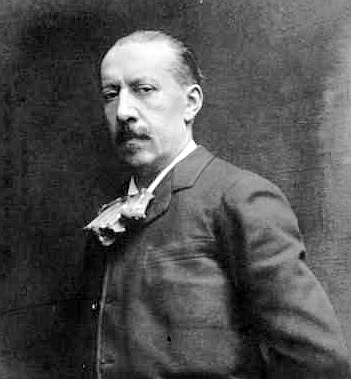

Works and musical style
Widor composed ten organ symphonies that exploit the tone colours and power of the late 19th-century French organs built by Aristide Cavaillé-Coll and his contemporaries. His music blends liturgical function with symphonic form, using rich harmonies, contrapuntal passages and dramatic registrations. The most famous passage from his output is the lively concluding Toccata of Symphony No. 5, frequently heard at public ceremonies and weddings.
Career and teaching
As a performer Widor held a major Parisian church post for many decades and was known for his virtuosity and sense of improvisation. He also taught at the Paris Conservatoire, shaping generations of organists. His pupils included prominent figures who themselves became influential, such as Louis Vierne and Marcel Dupré. Widor emphasized technique, registration awareness and a broad conception of the organ as an orchestral instrument.
Notable compositions and influence
- Ten Organ Symphonies — a major contribution to the organ literature that expanded formal and sonic possibilities.
- Toccata from Symphony No. 5 — the best-known excerpt and a staple of ceremonial and recital programs.
- Choral, chamber and piano pieces — though less famous, these works reflect the same clarity and craftsmanship.
Legacy and context
Widor stands as a central figure in the French organ tradition. His work helped cement the instrument's concert repertoire and informed both liturgical practice and concert programming. As an organizer, teacher and composer he bridged generations and contributed to the organ's transformation into a vehicle for large-scale musical expression. Scholars and performers continue to study his symphonies for their structural innovation and expressive range.
Widor's public reputation rests on his dual identity as a virtuoso organist and a composer of evocative pieces; he is also remembered as a respected composer and mentor who left a lasting imprint on 20th-century French music and the international organ repertoire. For further reading and primary sources see specialized biographies and the holdings of major conservatoires and libraries.
Related articles
Author
AlegsaOnline.com Charles-Marie Widor Leandro Alegsa
URL: https://en.alegsaonline.com/art/116165