
Charles Bonnet: Swiss naturalist and philosopher
Charles Bonnet (1720–1793), Geneva-born naturalist and philosopher known for studies of asexual reproduction, preformation theory, psychological writings, and the visual hallucination syndrome named after him.
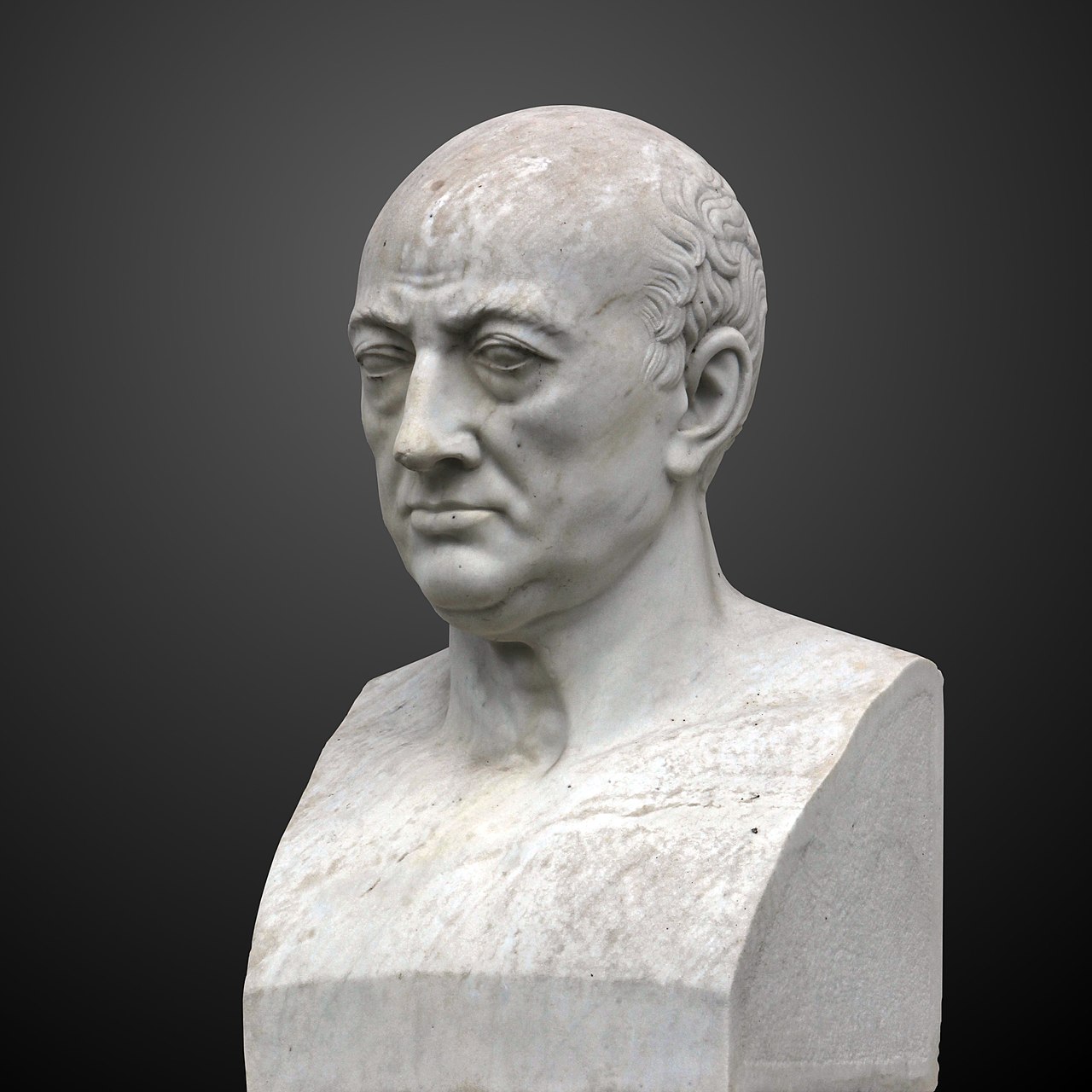
Charles Bonnet (13 March 1720 – 20 May 1793) was a Swiss thinker from Geneva who combined careful observation of the living world with philosophical reflection. Trained in the classical manners of an 18th‑century gentleman scholar, he made lasting contributions to natural history, embryology and the study of the mind. His life bridged practical investigation of plants and insects and more abstract essays on perception and mental faculties.
Image gallery
8 Images




Scientific work and observations
Bonnet conducted detailed studies of plants and insects, documenting life cycles, reproduction and development. He is especially remembered for his early reports of asexual reproduction in certain insects — a phenomenon now called parthenogenesis — after observing generations of aphids produced without males. In the context of 18th‑century biology he offered theories about how organisms arise and develop.
Theory of preformation and development
In debates about embryology he favored a version of preformation often described as nested or 'encasement' theory: the idea that successive generations are preformed in miniature within reproductive cells. This perspective was one of several competing attempts at explaining generation and heredity before modern embryology and cell theory emerged.
Philosophy and psychology
Bonnet also published philosophical essays on the mind and perception, treating memory, imagination and reasoning as faculties amenable to analysis. His writings combined empirical reports with reflections on the nature of consciousness and the relationship between soul and body, contributing to Enlightenment discussions of human nature.
Charles Bonnet syndrome and legacy
He provided one of the first clear clinical descriptions of complex visual hallucinations that can occur in people with significant vision loss. That pattern of sensory phenomena later became known as Charles Bonnet syndrome. Today his name is linked both to this clinical observation and to historical debates about development, heredity and the limits of observation in natural history.
- Notable themes: natural history, reproduction, preformation, psychology.
- Representative works and genres: natural history reports, essays on the faculties of the mind, correspondence with other scholars.
- Further reading on his naturalist work.
Related articles
Author
AlegsaOnline.com Charles Bonnet: Swiss naturalist and philosopher Leandro Alegsa
URL: https://en.alegsaonline.com/art/116171
Sources
- embryo.asu.edu : "Charles Bonnet (1720-1793)"