
Catherine de' Medici (1519–1589) — Italian-born queen and influential queen mother of France
Italian-born member of the Medici family who became queen consort of France, later a powerful queen mother and patron of the arts; remembered for her role during the French Wars of Religion and a contested legacy.
Catherine de' Medici (Italian name Caterina de Medici; French name Catherine de Médicis) was born on 13 April 1519 into the Medici family of Florence. She left her native Florence in Italy to marry the future King Henry II of France and later became a central political figure as queen consort and then as queen mother during a turbulent era of religious conflict.
Image gallery
10 Images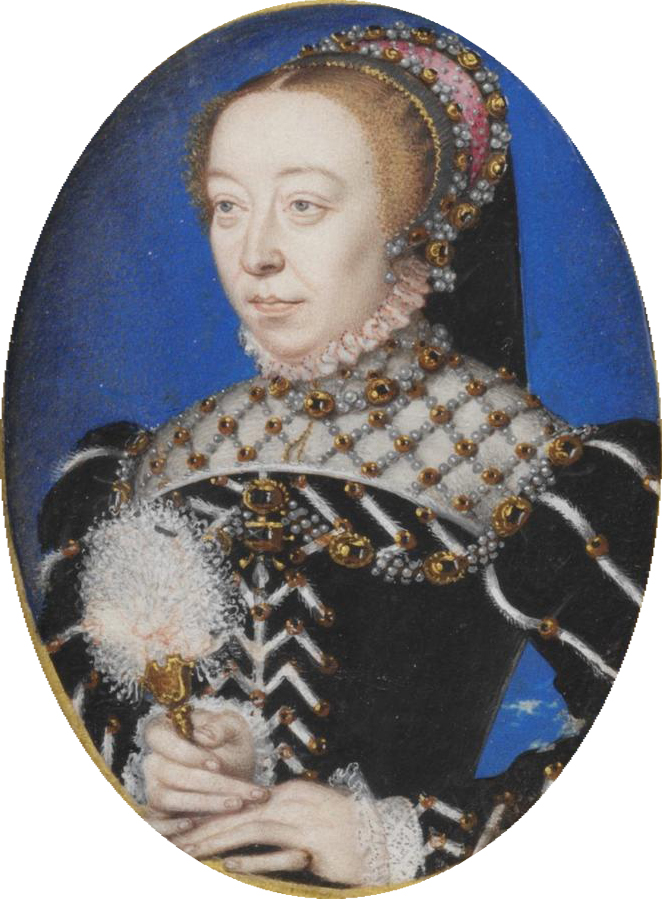







Early life and marriage
Catherine was the daughter of Lorenzo II de' Medici and of the French noblewoman Madeleine de La Tour d'Auvergne. She married Henry when she was about fourteen, joining the French Valois court. As queen she had limited formal power but exercised influence through family networks and court culture. After Henry II's accidental death in 1559, Catherine's position shifted from consort to the matriarch of a line of kings.
Political role and the Wars of Religion
As queen mother she played an active role in governance during the reigns of her sons, including Francis II, Charles IX and Henry III. The period was dominated by violent conflict between Catholics and Protestants (Huguenots). Catherine pursued policies of dynastic alliances, political negotiation and occasional repression in attempts to preserve Valois authority and royal unity. Her exact responsibility for the 1572 St. Bartholomew's Day killings is debated by historians; the event nonetheless had a profound and lasting impact on France.
Patronage, culture and reputation
Catherine used patronage to shape court life and the arts: she supported architects, painters, musicians and choreographers and helped introduce Italianate fashions, gardens and court entertainments to France. Her court fostered the French Renaissance and the early forms of ballet de cour. Over time she was alternately celebrated for cultural contributions and vilified in political pamphlets as a scheming power behind the throne.
Children, death and legacy
- Francis II
- Elizabeth of Valois (often listed with the French court)
- Charles IX
- Henry III
- Margaret of Valois
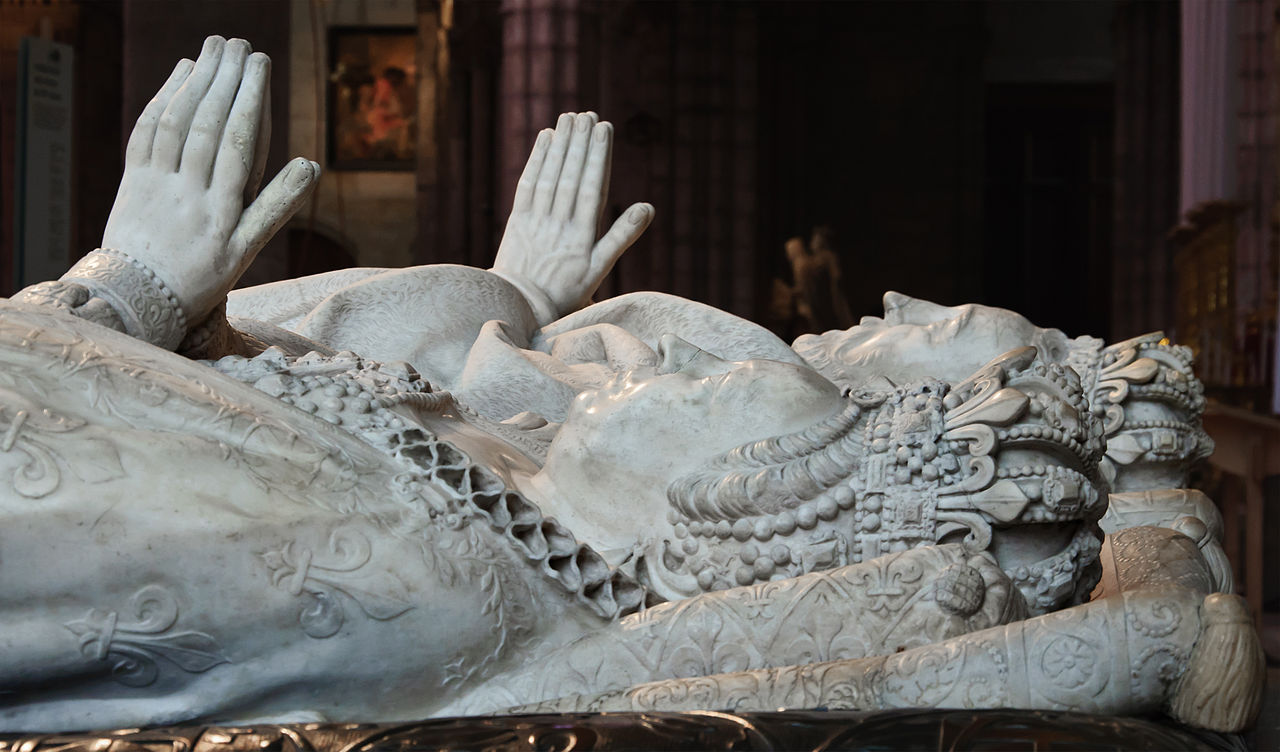
Catherine died on 5 January 1589 and was interred at the Basilica of Saint-Denis. Assessments of her life vary: she is remembered both as an able, pragmatic ruler who guarded the dynasty in an era of crisis and as a controversial figure whose methods and motives have been scrutinized by succeeding generations.
Related articles
Author
AlegsaOnline.com Catherine de' Medici (1519–1589) — Italian-born queen and influential queen mother of France Leandro Alegsa
URL: https://en.alegsaonline.com/art/116098