
Margaret of Valois (Queen Margot): French princess, memoirist and political figure
Margaret of Valois (1553–1615), known as Queen Margot, was a French princess of the Valois house whose marriage to Henry of Navarre and later writings left a lasting cultural legacy.
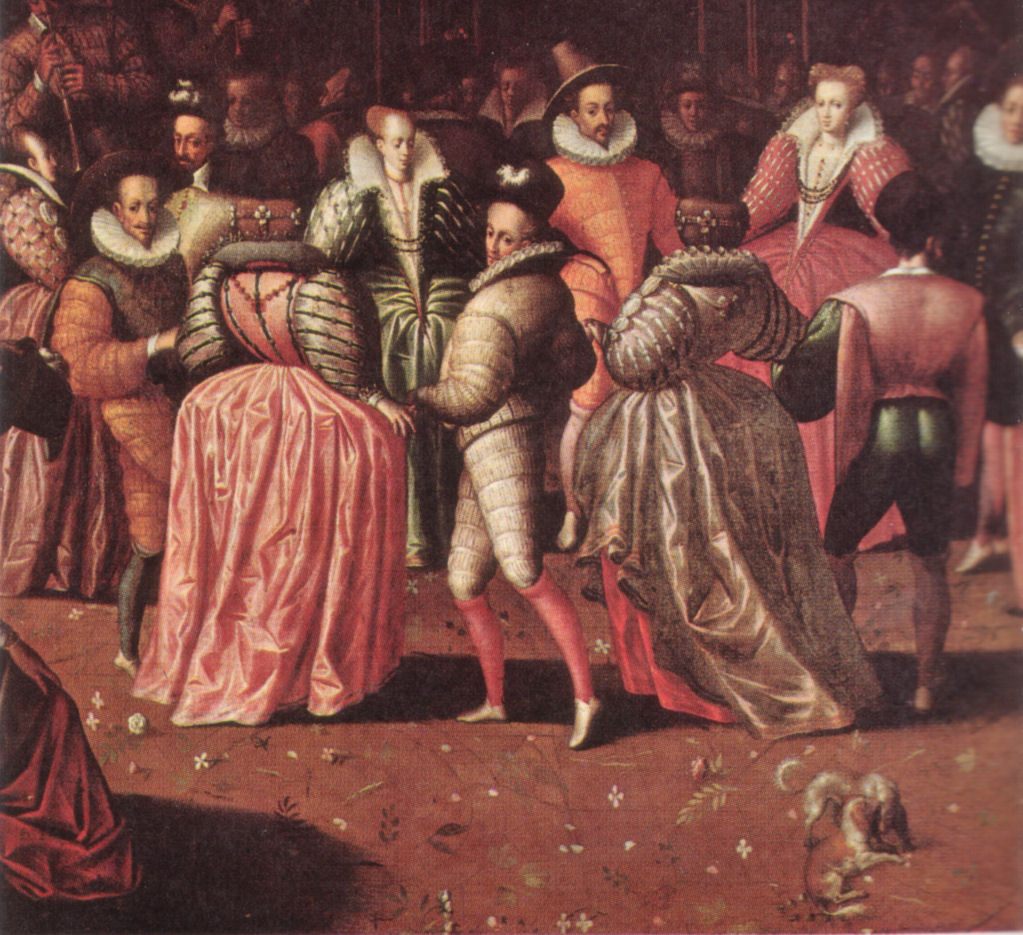
Margaret of Valois (14 May 1553 – 27 May 1615) was a member of the Valois royal family and a prominent figure of late 16th‑century France. Born to Henry II and Catherine de' Medici, she held the title Princess of France and was part of the house of Valois. Her life intersected with major events of the French Wars of Religion and the shifting political alliances of the era.
Image gallery
10 Images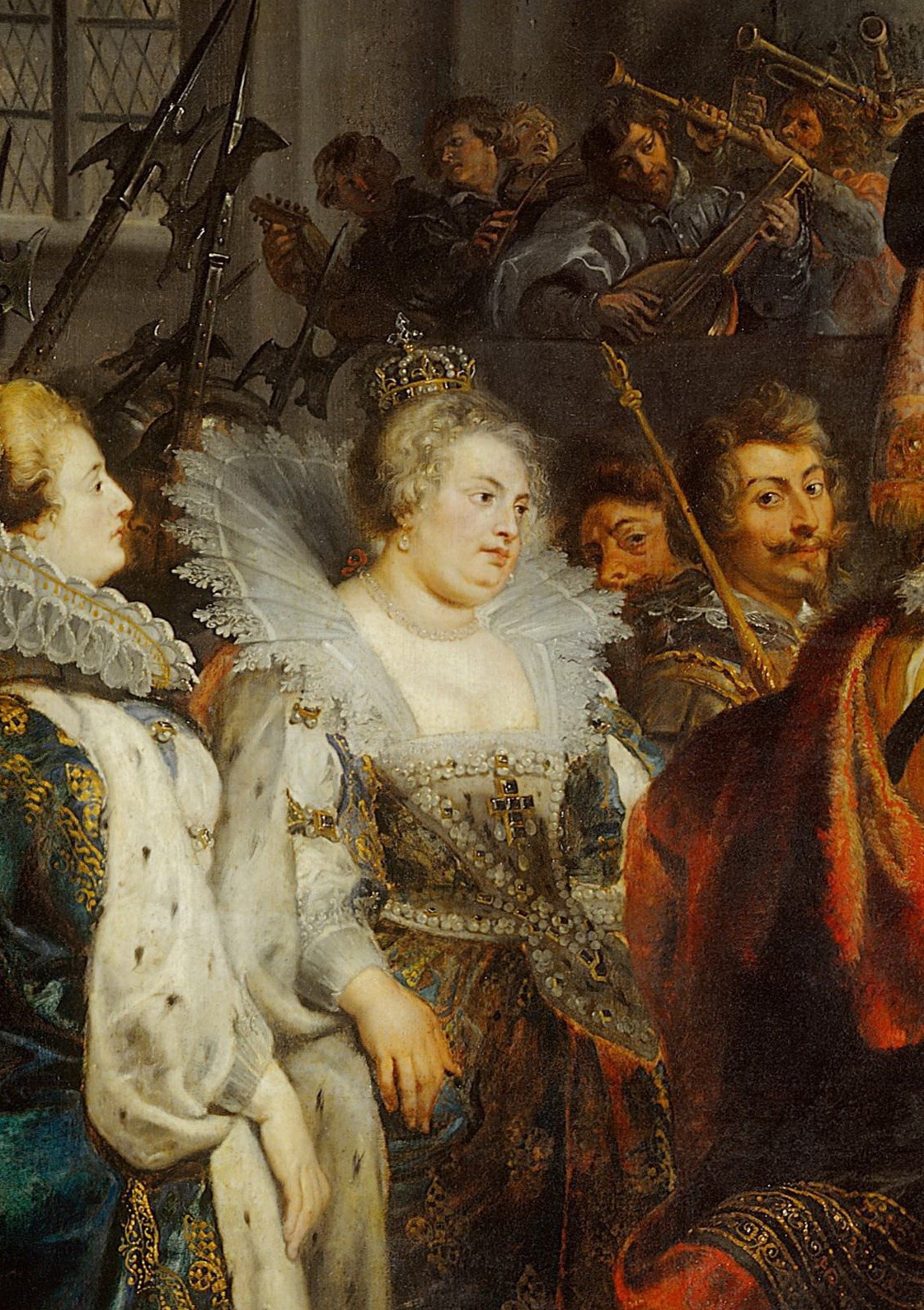



Life and political role
Margaret was sister to Francis II, Charles IX and Henry III, all of whom reigned during turbulent years for France. In 1572 she was married to Henry of Navarre (the future Henry IV) in a union arranged to ease tensions between Catholics and Huguenots. The wedding was followed almost immediately by the St. Bartholomew's Day Massacre, an outbreak of sectarian violence that overshadowed the ceremony and shaped contemporary perceptions of her role.
Marriage, separation and later status
The marriage proved unhappy and politically difficult. The couple lived apart for long periods and their relationship never produced a lasting reconciliation. Late in life the marriage was dissolved in the context of Henry's succession and remarriage; Margaret retained an independent reputation at court and in Parisian society. Her personal life—marked by alliances, quarrels and periods of exile or confinement—reflects the complex interplay of dynastic policy and private ambition in Renaissance courts.
Writings and cultural legacy
Margaret cultivated letters and the arts and is remembered for her lively personality and literary tastes. She left memoirs and a number of letters and poems that later readers used to reconstruct court life and politics. Her life inspired numerous artistic treatments; most famously, the novelist Alexandre Dumas, père fictionalized her story in the historical novel Queen Margot, which helped cement her popular image in the 19th century and beyond.
Notable facts
- Birth and death: 1553–1615, a lifespan that spanned the height of the Valois monarchy and its transition toward Bourbon rule.
- Dynastic connections: daughter of Henry II and sister to several French kings, including Francis II, Charles IX and Henry III.
- Marriage: wed to the future Henry IV in 1572, an alliance intended to soothe religious conflict but followed by sharp violence.
- Literary afterlife: a subject for dramatists and novelists and a memoirist whose writings contribute to our understanding of court culture.
- Historical image: celebrated and contested—alternately portrayed as a peacemaker, a victim of court politics, and a witty salonnière.
Margaret of Valois remains a figure of historical interest because she embodied the tensions of her age: dynastic rivalry, confessional conflict, and the emergence of literary self‑representation. For readers exploring late Renaissance France, her life provides a vivid window onto how personal relationships and political strategy were intertwined at the highest level of power.
Author
AlegsaOnline.com Margaret of Valois (Queen Margot): French princess, memoirist and political figure Leandro Alegsa
URL: https://en.alegsaonline.com/art/125919