
Carol Dempster: American silent film actress and philanthropist
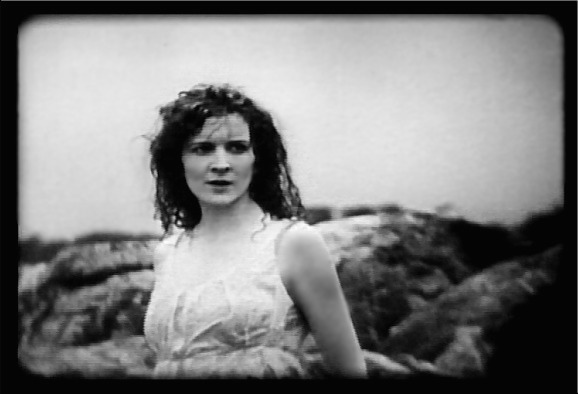
Carol Dempster (1901–1991) was an American silent film actress active 1916–1926, best known for her work with director D.W. Griffith. She retired after marriage and later became noted for philanthropic activity.
Carol Dempster (December 9, 1901 – February 1, 1991) was an American actress of the silent era who appeared on screen between 1916 and 1926. She is remembered as a prominent performer of her period and as a protege of one of early cinema's most influential directors. For an overview of her life and career see biographical sources.
Beginning as a youthful performer in stage and film companies, Dempster moved into feature pictures during the 1910s. Her screen work falls squarely within the silent film era, when acting relied heavily on expressive gesture and facial expression rather than spoken dialogue; further context on that period is available via silent cinema resources. Over roughly a decade she accumulated a body of work that reflected the storytelling and production styles of the time; a general filmography can be consulted at film lists and archives.
Dempster is often associated with director D.W. Griffith, who employed her in a number of his productions and who elevated her to leading-lady status after earlier collaborators left or changed careers. Contemporary critics and later historians have discussed her performances in the context of Griffith's aesthetic and casting choices; assessments range from praise for her screen presence to debate about how history has judged actresses who succeeded more famous predecessors.
In the mid-1920s Dempster left the movie industry after marrying a banker. Accounts note that her marriage linked her to a comfortable private life and a move away from professional acting; brief contemporary notices refer to her spouse as a banker and identify him in personal announcements as her husband. She did not return to the screen after retiring.
Following her departure from motion pictures Carol Dempster devoted time and resources to charitable causes and cultural institutions. In later life she became known for philanthropy and support of arts and community organizations; more information on these efforts is available through philanthropic records. Her post‑film activities contributed to a reputation that extended beyond her years as a performer.
Image gallery
3 Images

Career highlights and legacy
- Active years: film appearances dated from 1916 through 1926, a concentrated period in silent-era production.
- Artistic context: frequently linked with the studio and creative circle around a major early director, which shaped both her opportunities and critical reception.
- Retirement: left professional acting after marriage and later engaged in philanthropic work.
- Historical note: Dempster's career illustrates how the transitionary years of the 1910s–1920s shaped the careers of many performers, and how some moved from public life into private patronage.
Questions and answers
Q: Who was Carol Dempster?
A: Carol Dempster was an American actress who was a silent movie star.
Q: When was Carol Dempster born?
A: Carol Dempster was born on December 9, 1901.
Q: When did Carol Dempster retire from the movie industry?
A: Carol Dempster retired from the movie industry after appearing in movies from 1916 through 1926, after which she married a wealthy banker.
Q: How was Carol Dempster famous in her later years?
A: Carol Dempster was famous for her philanthropy in her later years.
Q: What is the significance of Carol Dempster's career being in silent movies?
A: Carol Dempster's career being in silent movies meant that she acted during a time when there was no sound in movies, relying solely on physical gestures and facial expressions to convey emotions.
Q: What is Carol Dempster known for?
A: Carol Dempster is known for her contributions as a silent movie star, as well as her philanthropic endeavors in her later years.
Q: When did Carol Dempster pass away?
A: Carol Dempster passed away on February 1, 1991.
Related articles
Author
AlegsaOnline.com Carol Dempster: American silent film actress and philanthropist Leandro Alegsa
URL: https://en.alegsaonline.com/art/116051
Sources
- Carol Dempster
- goldensilents.com : "Carol Dempster (1901-1991)"
- zenithcity.com : "Carol Dempster"
- silentsaregolden.com : "Carol Dempster"
- allmovie.com : "Carol Dempster; Biography"
- usamuseum.blogspot.com : "Forest Lawn Memorial Park (Glendale) - Forest Lawn Memorial Park Glendale"
- articles.latimes.com : "Actress Leaves $1.6 Million to Art Museum"