
Carol I of Romania (Prince Karl of Hohenzollern-Sigmaringen)
Carol I (1839–1914), a German prince of Hohenzollern-Sigmaringen, ruled Romania from 1866, led its modernization and military reform, secured independence recognition and became King in 1881.
Overview
Carol I (born Prince Karl Eitel Friedrich of Hohenzollern-Sigmaringen, 1839–1914) was a German prince chosen in 1866 to lead the Romanian principalities. During a long reign he presided over the consolidation of state institutions, the professionalization of the armed forces and an ambitious program of public works and cultural patronage that helped forge a modern Romanian state and monarchy. His rule is commonly associated with the adoption of the 1866 constitution, the military campaign that secured de facto independence, and his proclamation as King in 1881.
Image gallery
10 Images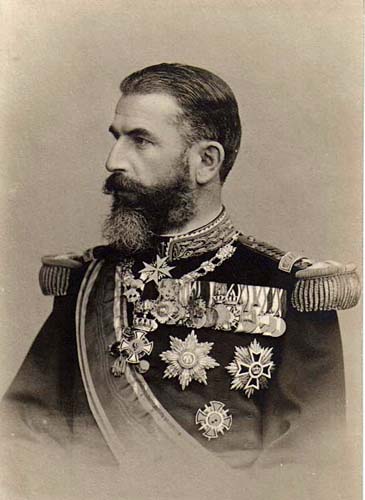




Early life and accession
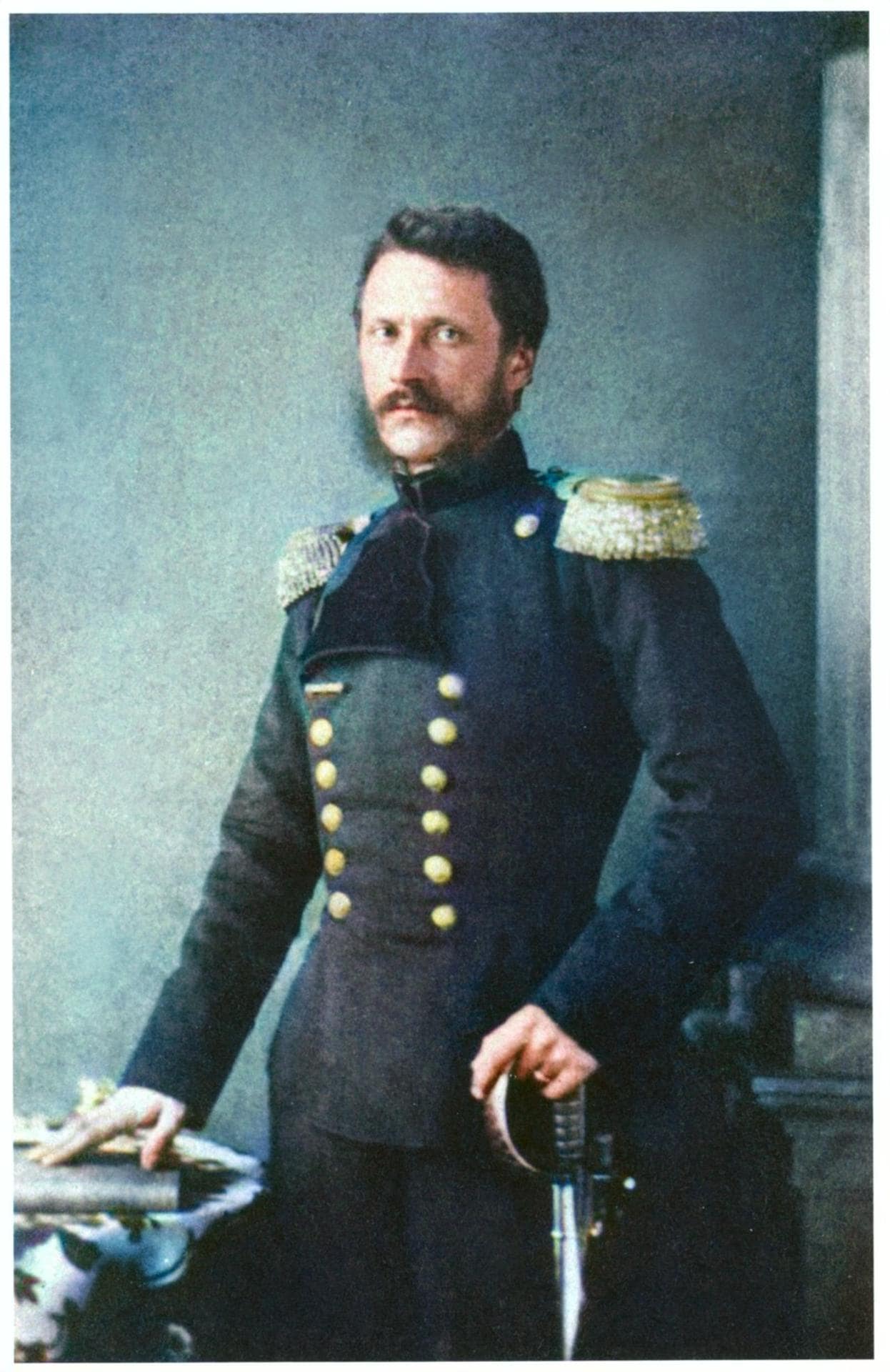
Born into the Catholic Hohenzollern-Sigmaringen house, Carol had a military and princely upbringing typical of mid-19th century German nobility. After the forced abdication of Alexandru Ioan Cuza, Romanian political leaders sought a foreign prince to stabilize the country; they elected Carol as Domnitor (ruling prince) on 20 April 1866. His selection reflected both internal political settlement and the influence of European powers concerned with stability in the Balkans (election as Domnitor). Carol's dynastic origins and connections influenced Romania's orientation, while he also worked to adapt institutions to local needs.
Constitutional and administrative reforms
Early in his reign Carol accepted a liberal constitution that balanced monarchical prerogative with parliamentary government. The 1866 constitution established civil liberties, a separation of powers and a framework for representative institutions that guided Romanian politics for decades. Under royal patronage the state expanded public education, reformed the legal system and created a more centralised administration. These measures aimed to integrate diverse regions and social groups into a functioning modern state.
Economic, cultural and infrastructure development
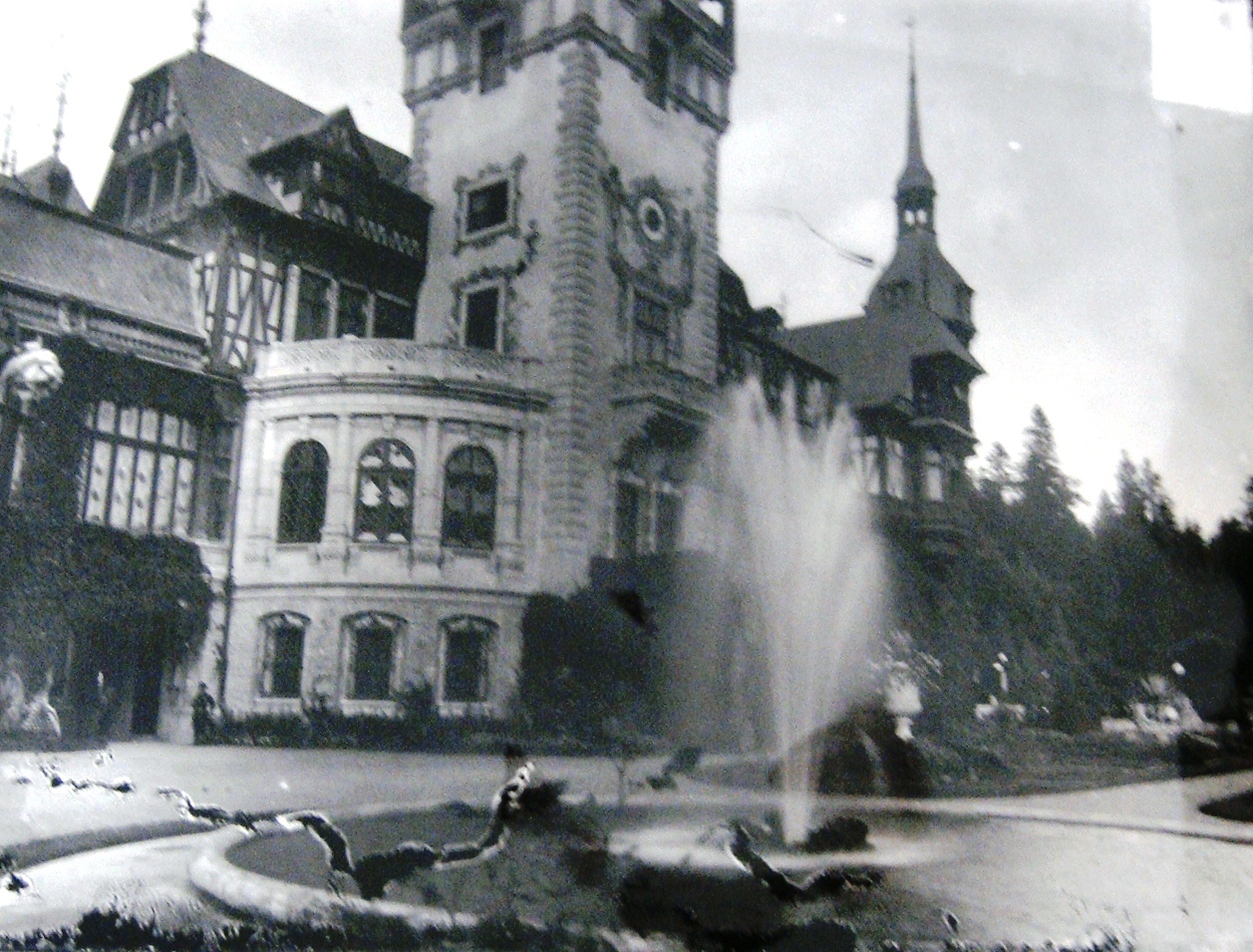
Carol's reign emphasized infrastructure projects such as road and railway building, modernization of ports and encouragement of new industries and agricultural improvements. The court also became a center of cultural life: Carol and his queen, Elisabeth (Queen Carmen Sylva), were patrons of the arts and letters, and royal commissions included notable public buildings and residences. One well-known example from this era is the commissioning and development of royal estates and palaces that symbolized a European-style monarchy.
Military reform and independence
Recognising the importance of military capacity for sovereignty, Carol supported reorganization and professional training of the army. During the 1877–1878 conflict with the Ottoman Empire, Romania fought alongside Russia; the military successes and diplomatic negotiations that followed led to international recognition of Romania's independence at the Congress of Berlin. Histories of this period often reference the Russo-Turkish War of 1877–1878 when discussing Romania's emergence as an independent polity. In 1881, reflecting changed status and domestic consensus, the Romanian state proclaimed itself a kingdom and Carol assumed the title of King.
Foreign policy and later years
Throughout his reign Carol navigated complex relations with neighbouring great powers. His German background and family ties influenced sympathies and diplomatic contacts, while Romania sought to preserve autonomy between Austria-Hungary and Russia. Carol maintained caution in alliances and attempted to secure Romania's interests through balanced diplomacy. As Europe moved toward broad rivalries in the early 20th century, Romanian diplomacy and the position of the monarchy became increasingly sensitive to shifting alliances (Austria-Hungary and Germany are recurring reference points in accounts of this diplomacy).
Death and succession
Carol died in October 1914 during the first months of World War I; his passing ended the long personal reign that had shaped the modern Romanian state. He was succeeded by his nephew, Ferdinand I, who continued the Hohenzollern-Sigmaringen dynasty on the Romanian throne. For full chronological details of his life and reign see a dedicated biographical entry (biography and dates).
Legacy
Carol I is remembered as the founder of a modern Romanian dynasty and a central figure in the creation of a modern, internationally recognised Romanian state. His legacy includes constitutional government, a professional army, and public institutions and infrastructure that laid foundations for the 20th century. Assessments of his reign acknowledge both the stabilising effect of his monarchy and debates about the limits of political participation and social reform under his rule.
- Key dates: born 1839; elected Domnitor 1866; proclaimed King 1881; died 1914.
- Main achievements: constitutional monarchy, military reform, state modernisation and cultural patronage.
- Dynasty: House of Hohenzollern-Sigmaringen; succeeded by Ferdinand I.
Related articles
Author
AlegsaOnline.com Carol I of Romania (Prince Karl of Hohenzollern-Sigmaringen) Leandro Alegsa
URL: https://en.alegsaonline.com/art/116053