
Carol Moseley Braun: American politician, diplomat, and trailblazer
Profile of Carol Moseley Braun — her life, political rise, Senate service, diplomatic role, later campaigns, and legacy as a pioneering African-American woman in U.S. politics.
Overview
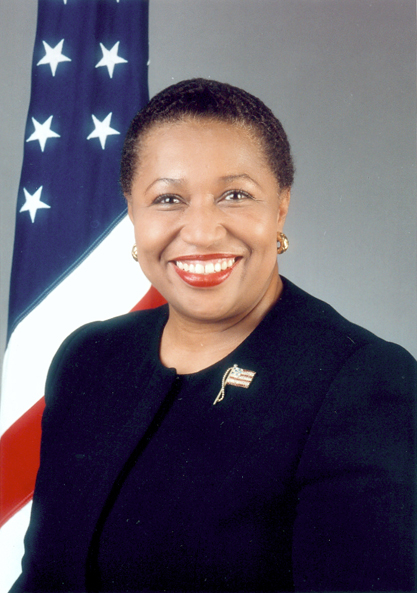
Carol Elizabeth Moseley Braun (born August 16, 1947) is an American politician, lawyer and diplomat who broke several racial and gender barriers in U.S. public life. She represented Illinois in the United States Senate from 1993 to 1999, served as a U.S. ambassador, and later sought statewide and national offices. Her career combined electoral politics, diplomatic service and public advocacy, and she is widely remembered for a string of historic firsts that expanded representation in American government.
Image gallery
10 Images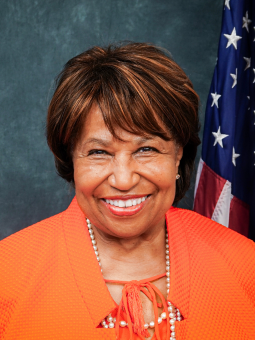





Early life and education
Born and raised in Chicago, Moseley Braun studied at the University of Illinois and earned a law degree from the University of Chicago. She worked as an attorney and entered public life in local and state government in Illinois. Her legal training and city roots informed a pragmatic approach to politics, focused on civil rights, education, economic opportunity and expanding access to government for underrepresented communities.
Political rise and elected offices
Before joining the Senate, Moseley Braun served in elected offices in Illinois, including positions in the state legislature and a countywide post. She built a reputation as an outspoken Democrat who emphasized civil rights, consumer protection and ethics reform. Her 1992 Senate campaign culminated in a victory that was seen as a milestone for women and African Americans in national politics.
Senate tenure and significance
During her single term in the Senate, Moseley Braun focused on issues such as voting rights, education, and women's concerns while also participating in broader legislative debates of the 1990s. Her election was historic: she became the first African-American woman to serve in the U.S. Senate, the first African-American senator elected as a Democrat, and the first female U.S. senator from Illinois. These distinctions made her a high-profile symbol of changing political demographics and inspired other candidates from diverse backgrounds.
Diplomatic service and later campaigns
After leaving the Senate she was appointed U.S. Ambassador to New Zealand (and to Samoa), serving from 1999 until 2001. Moseley Braun later sought higher office again: she entered the field for the Democratic presidential nomination in 2004 and mounted a campaign for Mayor of Chicago after Richard M. Daley announced he would not run for another term. Her mayoral bid began in late 2010, but she was defeated by Rahm Emanuel in the election that followed.
Legacy and notable facts
- Historic firsts: first African-American woman in the U.S. Senate and first female senator from Illinois.
- Advocacy: known for emphasizing civil rights, representation and access to justice.
- Public service arc: local and state offices, U.S. Senate, and ambassadorial service illustrate a varied career spanning domestic and international roles.
Carol Moseley Braun's career remains a reference point in discussions about diversity in American politics. Her electoral successes and later bids for office reflect both the progress and continuing challenges faced by candidates from underrepresented groups seeking leadership positions at city, state and national levels.
Related articles
Author
AlegsaOnline.com Carol Moseley Braun: American politician, diplomat, and trailblazer Leandro Alegsa
URL: https://en.alegsaonline.com/art/116058
Sources
- articles.chicagotribune.com : "The Humble Hyphen"
- suntimes.com : "Trailblazing Moseley Braun set to run again"