
Carl Van Vechten — American writer, critic and portrait photographer
Carl Van Vechten (1880–1964) was an American writer, critic and portrait photographer, known for promoting and photographing many leading artists of the Harlem Renaissance and documenting 20th-century cultural life.
Carl Van Vechten (June 17, 1880 – December 21, 1964) was an American literary figure, cultural impresario and portrait photographer whose work linked the worlds of theater, literature and visual arts. He combined a public career as a novelist and critic with an extensive practice as a society and studio photographer. As both a commentator and a documentarian he helped introduce and promote many artists and writers to broader audiences. writer and critic and portrait photographer describe central parts of his public role.
Image gallery
10 Images



Early life and career
Van Vechten was born in Cedar Rapids, Iowa, and later moved to the cultural centers of the East Coast where he became active in literary and theatrical circles. He worked as a reviewer and cultural commentator, which placed him at the intersection of publishing, theater and the visual arts. His writing included novels, essays and criticism, and his social position allowed him to serve as a connector between artists, publishers and audiences. He maintained a prominent presence in American cultural life while living largely in New York. Cedar Rapids remained a part of biographical summaries of his life.
Literary work and involvement with the Harlem Renaissance
Van Vechten published fiction and cultural essays and played an influential but contested role in the artistic movement known as the Harlem Renaissance. He promoted Black writers and performers at a time when mainstream attention was limited, helping some gain wider readerships. One of his novels attracted controversy for its subject and title, and critics have debated his motivations and the effects of his attention on Black cultural life. He both championed individual artists and provoked discussion about representation and authorship, a tension frequently noted by historians. His engagement is often discussed in the context of the broader Harlem Renaissance and its relationship to white patrons and critics.
Photography and portraiture
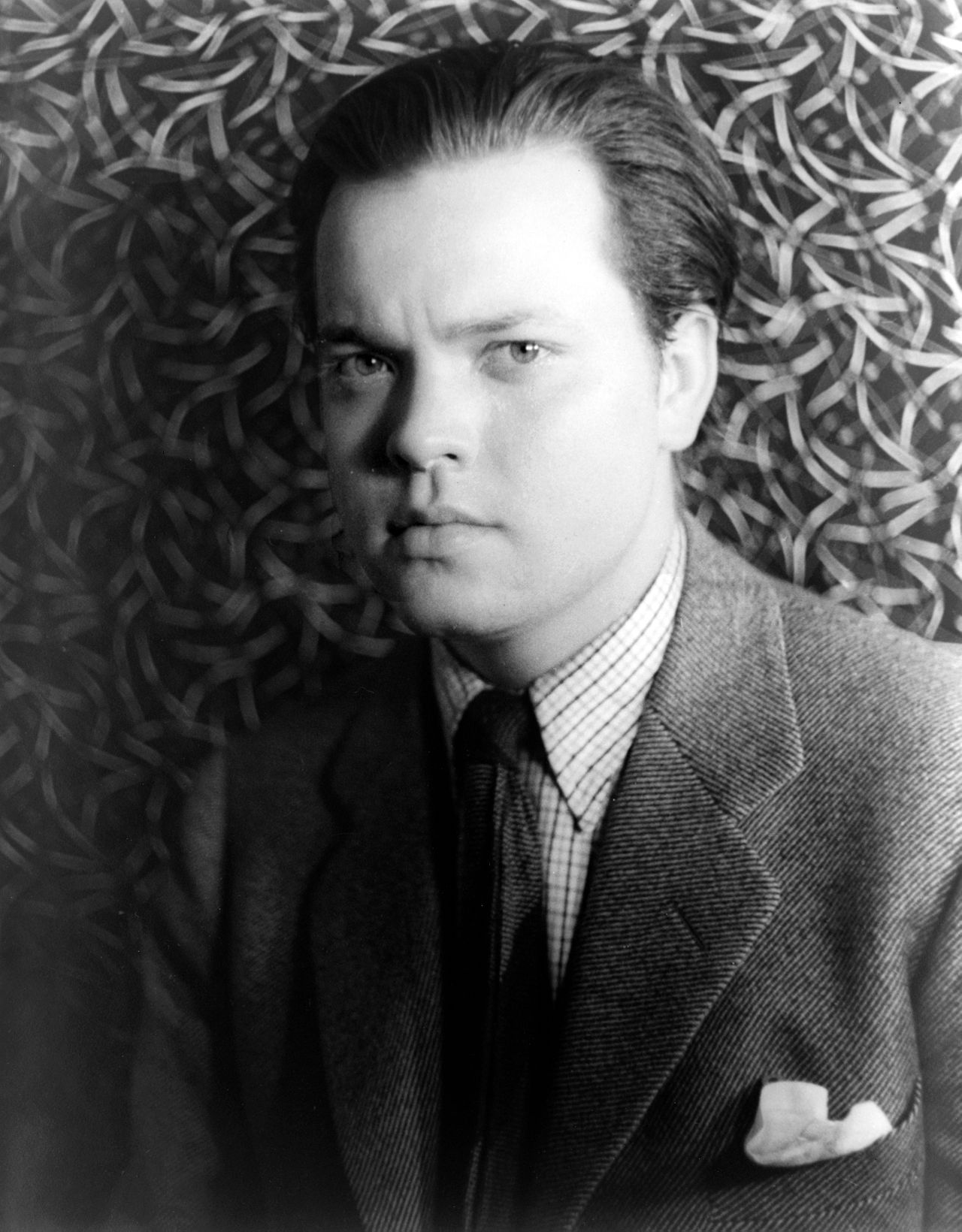
From the 1920s through the 1940s Van Vechten made hundreds of studio portraits and informal photographs of actors, writers, musicians and visual artists. His photographic practice favored carefully composed, sharply lit studio images that aimed to convey character and presence. These portraits document a wide cross section of twentieth‑century cultural life: performers from the theater, composers and conductors, authors, painters and dancers. Over time his images have been used to illustrate books, exhibitions and museum displays devoted to the period.
Personal life and legacy
Van Vechten was married to the actress Fania Marinoff from 1914 until his death; their partnership was well known in artistic circles. He died in New York City at the age of 84. Fania Marinoff and other contemporaries figure in accounts of his social world, and his death in New York City marked the close of a long public career. His papers, correspondence and photographic negatives survive in research collections and museum archives and continue to be used by scholars studying literature, theater and visual culture of the early twentieth century.
Notable aspects and continued interest
- Van Vechten combined roles as a creative writer, critic and promoter of other artists.
- His portraits are valued for their historical documentation of artistic figures and social networks.
- Scholars continue to debate the ethical and cultural implications of his role as a white advocate for Black artists during the Harlem Renaissance.
Related articles
Author
AlegsaOnline.com Carl Van Vechten — American writer, critic and portrait photographer Leandro Alegsa
URL: https://en.alegsaonline.com/art/116006