
Carl von Ossietzky: German journalist, pacifist, and Nobel Peace Prize laureate
Journalist and campaigner against German rearmament; tried for treason, imprisoned by the Nazis, and awarded the 1935 Nobel Peace Prize while incarcerated.
Carl von Ossietzky (3 October 1889 – 4 May 1938) was a German journalist, editor and public intellectual known for his outspoken pacifism and his role in revealing clandestine German rearmament in the interwar years. As editor of the political weekly Die Weltbühne he used investigative reporting to challenge militarism and secret state practices. His work made him a prominent figure in the German peace movement and a target for nationalist critics.
Image gallery
8 Images

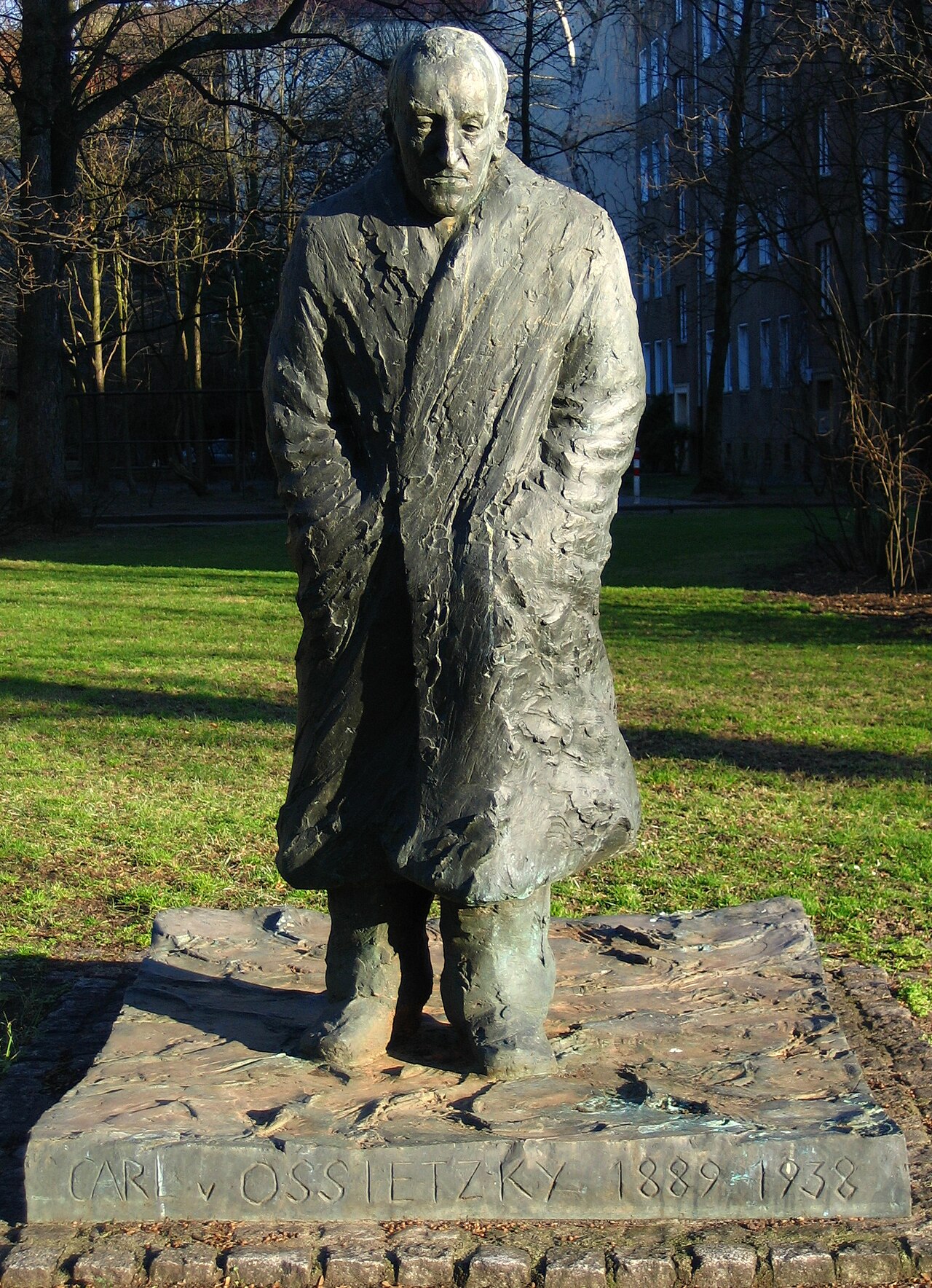

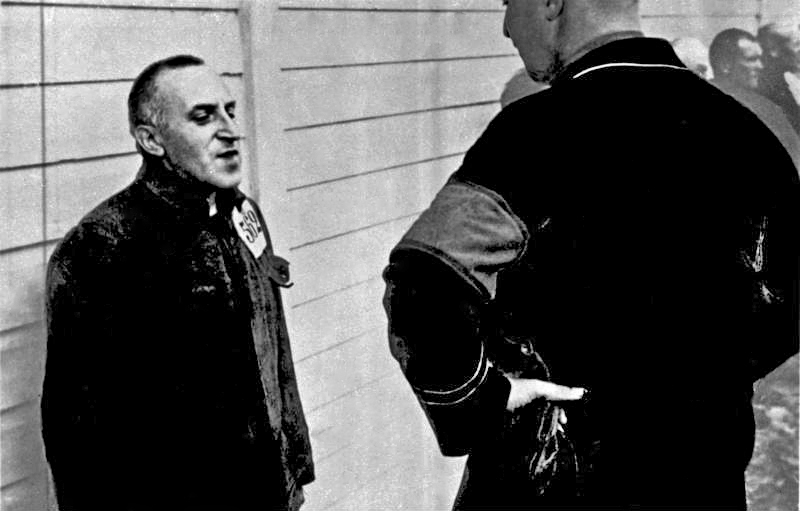
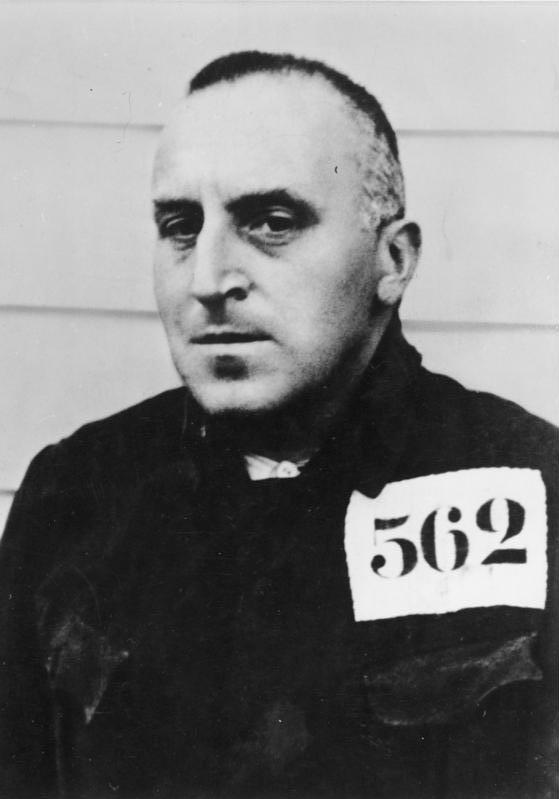


Life and career
Ossietzky began as a writer and critic and became closely associated with progressive and pacifist circles in Weimar Germany. Through essays and editorials he criticized political extremism and the circumvention of the Treaty of Versailles. His reporting included details about covert cooperation between German military circles and foreign partners that aimed to rebuild armed forces despite official restrictions.
Trial, imprisonment, and the Nobel Prize
In 1931 Ossietzky was prosecuted in a high-profile case in which he was convicted of treason and espionage for publishing state secrets. After the Nazi rise to power he was arrested again, held in concentration camps and prisons, and his health deteriorated under harsh conditions. In 1935 the Nobel Committee awarded him the Peace Prize in recognition of his courage in speaking out; the award provoked a hostile reaction from the Nazi regime and he was not allowed to travel to receive it.
Ossietzky spent his final years under constrained medical care. His illnesses were aggravated by imprisonment and poor treatment; he died in Berlin in 1938. His arrest, conviction and mistreatment made him a symbol of resistance to authoritarianism and a warning about limits on free expression.
Legacy and significance
- Champion of free press and pacifist politics, celebrated by many democrats and critics of militarism.
- His reporting exposed clandestine rearmament projects, contributing to public debate about accountability.
- The 1935 Nobel Peace Prize highlighted the international community's concern over repression in Germany.
For further context and primary sources about his life and writings, see contemporary archives and critical studies. Selected keywords and topics related to his story include journalist, editorial activism, peace movement, treason trials and espionage cases.
Related articles
Author
AlegsaOnline.com Carl von Ossietzky: German journalist, pacifist, and Nobel Peace Prize laureate Leandro Alegsa
URL: https://en.alegsaonline.com/art/116008
Sources
- telegraph.co.uk : "Nobel Peace Prize: echoes of 1936 when Hitler barred von Ossietzky"